
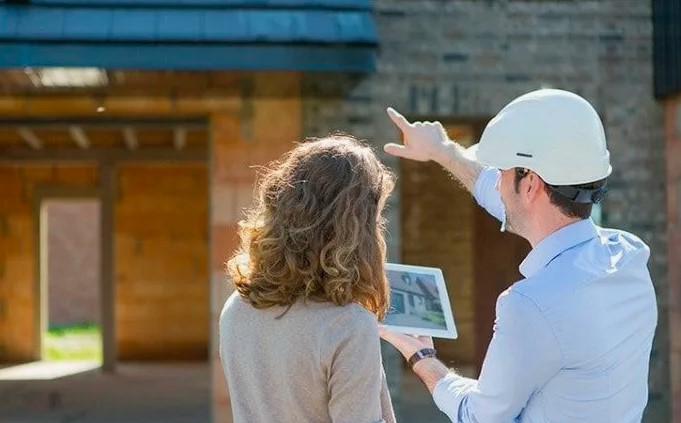
Rental property inspections are one of the most important — and often overlooked — parts of successful property management. Whether you’re a first-time landlord or a seasoned real estate investor, regular inspections help protect your investment, maintain tenant satisfaction, and prevent small issues from turning into expensive disasters.
We’ll walk through why rental property inspections matter, the different types you should conduct, what to look for, and how to handle the process professionally and legally.
Why Rental Property Inspections Are So Important
At their core, rental property inspections are about prevention and accountability.
For landlords, inspections help:
- Identify maintenance problems early
- Ensure tenants are following lease terms
- Protect the long-term value of the property
- Reduce costly emergency repairs
For tenants, inspections can:
- Ensure the home remains safe and habitable
- Provide a chance to report hidden issues
- Create clear documentation that protects their security deposit
When handled properly, inspections are not about “checking up” on tenants — they’re about preserving the property and maintaining clear communication.
Types of Rental Property Inspections
Not all inspections serve the same purpose. A strong property management plan includes several different types of rental property inspections.
1. Move-In Inspection
This is one of the most critical inspections you’ll ever conduct. Before the tenant officially moves in, document the condition of the property in detail.
Include:
- Walls, ceilings, and floors
- Appliances and fixtures
- Doors, windows, and locks
- Plumbing and electrical systems
Take photos or videos and have the tenant sign the inspection report. This creates a baseline for comparison when they move out.
2. Routine (Periodic) Inspections
Routine rental property inspections are typically done every 3 to 6 months, depending on local laws and lease agreements.
These inspections help you:
- Check for unauthorized occupants or pets
- Catch maintenance issues early
- Ensure smoke detectors and safety systems work
Regular check-ins show tenants you care about the property’s condition, not just rent collection.
3. Drive-By Inspections
These are informal exterior-only checks. While you can’t invade privacy, you can observe visible issues like:
- Overgrown lawns
- Exterior damage
- Trash accumulation
Drive-by inspections are a simple way to monitor curb appeal and spot potential problems early.
4. Move-Out Inspection
This inspection determines whether any damage exceeds normal wear and tear. You’ll compare the property’s condition to the move-in report.
This is essential for:
- Fair security deposit deductions
- Documenting damage
- Preparing the unit for the next tenant
5. Maintenance Follow-Up Inspections
After major repairs, it’s smart to verify the work was completed properly. This ensures contractors did the job right and that the issue is fully resolved.
Legal Considerations Before You Inspect
Rental property inspections must always respect tenant rights. Laws vary by location, but most areas require:
- Proper notice (usually 24–48 hours)
- Reasonable timing (during normal business hours)
- Valid purpose (maintenance, inspection, or repairs)
Always review local landlord-tenant laws before scheduling inspections. Entering without notice or valid reason can lead to legal trouble.
What to Look for During an Inspection
Having a checklist keeps rental property inspections consistent and professional.
Interior Checklist
- Water leaks under sinks and around toilets
- Signs of mold or moisture damage
- Working smoke and carbon monoxide detectors
- Condition of walls, flooring, and ceilings
- Appliance functionality
- Unauthorized modifications
Exterior Checklist
- Roof condition (if visible)
- Gutter and drainage issues
- Siding and paint condition
- Landscaping and lawn care
- Fences, gates, and exterior lighting
Safety Checks
- Handrails and stairs are secure
- Electrical outlets and panels appear safe
- No blocked exits
- Fire extinguishers (if provided) are present
Best Practices for Documenting Inspections
Good documentation protects both landlords and tenants.
Use these tips:
- Take date-stamped photos and videos
- Use a standardized inspection form
- Keep digital and physical copies of reports
- Ask tenants to sign off when appropriate
Clear records make move-out disputes far less likely and provide evidence if legal issues arise.
How to Keep Inspections Tenant-Friendly
Rental property inspections don’t have to feel intrusive. Communication makes all the difference.
Best practices include:
- Giving more notice than legally required when possible
- Explaining the purpose of the visit
- Keeping inspections brief and respectful
- Encouraging tenants to point out concerns
When tenants see inspections as a way to keep their home safe and well-maintained, they’re more likely to cooperate.
Common Issues Found During Rental Property Inspections
Many landlords are surprised by how often inspections uncover small problems that could have become major repairs.
Frequent findings include:
- Slow leaks causing cabinet damage
- Dirty HVAC filters reducing system efficiency
- Early signs of pest infestations
- Unauthorized painting or wall damage
- Bathroom caulking failures leading to water intrusion
Catching these early can save hundreds or even thousands of dollars.
Using Technology for Smarter Inspections
Modern tools make rental property inspections easier than ever.
Consider using:
- Mobile inspection apps with photo storage
- Cloud-based property management software
- Digital checklists for consistency
- Time-stamped video walkthroughs
Technology improves organization and makes record-keeping far more reliable.
FAQs About Rental Property Inspections
1. How often should rental property inspections be done?
Most landlords conduct routine inspections every 3 to 6 months, but frequency should comply with local laws and be clearly stated in the lease.
2. Can a landlord inspect a property without the tenant present?
Yes, in many areas — but proper notice is still required. Some tenants prefer to be present, and allowing this can improve transparency and trust.
3. What’s considered normal wear and tear?
Normal wear and tear includes minor carpet wear, small nail holes, and faded paint. Large holes, broken fixtures, or pet damage typically go beyond normal wear.
4. Can a tenant refuse a rental property inspection?
If proper legal notice is given for a valid reason, tenants generally cannot refuse. However, laws vary, so always check local regulations.
5. Are photos allowed during inspections?
Yes, landlords can take photos of the property’s condition, but they should avoid photographing personal belongings unless necessary to document damage.
6. Do inspections help with insurance claims?
Absolutely. Detailed inspection records and photos can support claims related to property damage or liability issues.
Conclusion
A New-build inspections are not about policing tenants — they’re about protecting your investment, ensuring safety, and maintaining clear communication. With the right schedule, proper documentation, and a respectful approach, inspections become a routine part of responsible property management rather than a source of tension.