
Electric fence installation has become an increasingly popular solution for securing residential, agricultural, and commercial properties. Whether you want to protect livestock, deter intruders, or safeguard crops from wildlife, electric fencing offers an efficient and cost-effective option. This guide explains how electric fencing works, its benefits, installation steps, and maintenance tips to help you make an informed decision.
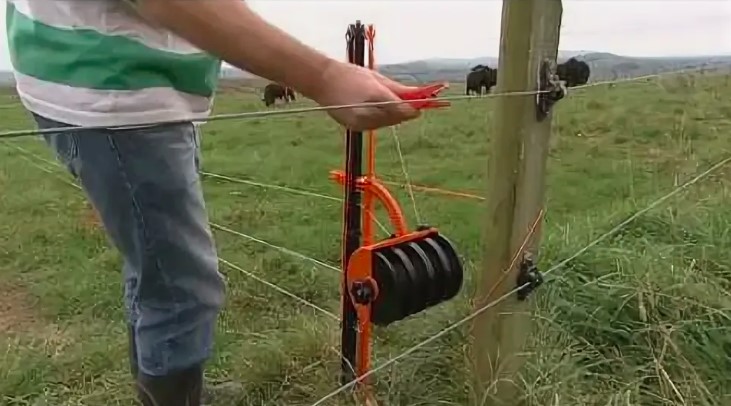
What Is an Electric Fence?
An electric fence is a barrier that uses mild electric pulses to deter animals or people from crossing a boundary. Unlike traditional fences, it doesn’t rely on physical strength but instead delivers a short, safe shock that creates a psychological barrier. Once touched, most animals or intruders avoid the fence in the future, making it an effective long-term deterrent.
Electric fences can be used for various purposes, including:
- Securing residential properties
- Protecting farms and livestock
- Keeping wild animals away from crops
- Enhancing security around commercial spaces
Benefits of Electric Fence Installation
1. Cost-Effective Security
Compared to brick walls or heavy metal fences, electric fencing is more affordable and easier to install. It also requires fewer materials and less labor.
2. High Deterrence Power
The shock delivered is harmless but memorable. This makes it highly effective in preventing repeated trespassing.
3. Easy Maintenance
Electric fences require minimal upkeep. Periodic checks and cleaning are usually enough to keep them functional.
4. Flexible Design
You can install them on existing fences or create a standalone system. They can also be adjusted for different heights and voltages depending on your needs.
5. Safe and Environmentally Friendly
Modern electric fences follow safety standards and are designed to avoid serious injury to humans and animals.
Steps for Electric Fence Installation
1. Plan Your Layout
Determine the area you want to secure and measure the perimeter. Decide how many fence lines you need based on the type of animals or level of security required.
2. Choose the Right Equipment
You will need:
- Fence posts
- Conductive wires or tape
- Insulators
- Energizer (power source)
- Grounding rods
Select a high-quality energizer suitable for your fence length and purpose.
3. Install Fence Posts
Place posts at regular intervals around your perimeter. Make sure they are firmly secured in the ground to maintain fence tension.
4. Attach Insulators and Wires
Fix insulators to the posts and run the electric wire through them. Ensure the wire is tight and evenly spaced.
5. Set Up the Energizer
Connect the energizer to the fence wire and grounding system. This device sends electric pulses through the fence.
6. Test the Fence
Use a voltage tester to ensure the current is flowing properly. Adjust the tension or connections if needed.
Maintenance Tips
- Inspect wires regularly for breaks or sagging
- Remove vegetation touching the fence, as it can reduce voltage
- Check the energizer performance monthly
- Test voltage levels to ensure effectiveness
- Replace damaged insulators or wires promptly
Routine maintenance ensures your electric fence works efficiently and lasts longer.
When to Hire Professionals
While electric fence installation can be a DIY project, hiring professionals is recommended if:
- The area is large or complex
- You need high-security fencing
- You lack technical knowledge
- Local regulations require certified installers
Professionals ensure correct setup, safety compliance, and optimal performance.
FAQs
Q1. Is electric fence installation safe?
Yes, modern electric fences are designed to deliver low-current shocks that are safe for humans and animals. They cause discomfort but no serious harm.
Q2. How long does installation take?
Installation time depends on the area size and complexity. Small residential fences may take a few hours, while larger properties can take one to two days.
Q3. Can electric fences work during power outages?
Yes, many systems use battery or solar-powered energizers that continue to work even during outages.
Q4. Are electric fences legal?
Regulations vary by location. Always check local laws and guidelines before installation.
Q5. How long does an electric fence last?
With proper maintenance, electric fences can last 10 to 15 years or longer.
Conclusion
A Alarm System Installation Services is an effective, affordable, and reliable way to enhance security for homes, farms, and commercial spaces. With proper planning, quality materials, and regular maintenance, an electric fence can provide long-term protection and peace of mind. Whether you choose to install it yourself or hire professionals, investing in electric fencing is a smart step toward safeguarding your property.