
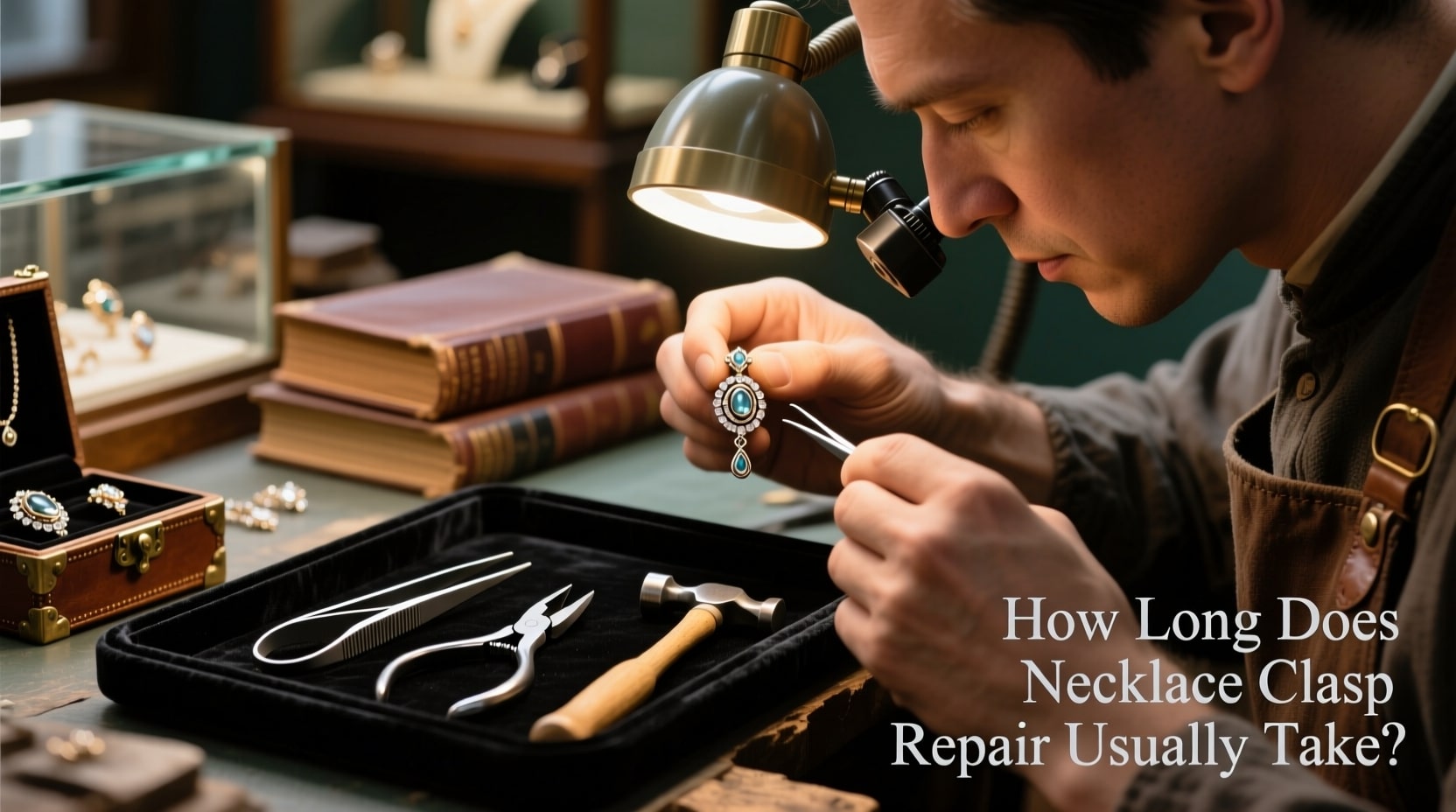
A broken clasp can render your favorite necklace unwearable, leaving you frustrated and wondering when you can wear it again. Understanding the timeline for necklace clasp repair helps you plan accordingly and set realistic expectations. Whether you own a delicate gold chain or a statement piece with intricate details, knowing what influences repair duration empowers you to make informed decisions about restoring your cherished jewelry.
The good news is that most clasp repairs are relatively straightforward procedures that experienced jewelers can complete efficiently. However, several factors determine exactly how long you will wait before wearing your necklace again. This comprehensive guide explores everything you need to know about repair timelines, influencing factors, and what to expect throughout the process.
Common Types of Necklace Clasp Repair and Their Timelines
Different clasp styles require varying levels of expertise and time to fix properly. Spring ring clasps, among the most common types, typically take between fifteen minutes and an hour for simple replacements. These small circular clasps are relatively inexpensive and widely available, making repairs quick and affordable.
Lobster claw clasps follow a similar timeline, usually requiring thirty minutes to one hour for standard replacements. Their popularity means most jewelers keep various sizes in stock, reducing wait times significantly.
Toggle clasps present slightly more complexity because they involve two separate components. Repairs generally take one to two hours, depending on whether both pieces need attention or just one requires fixing.
Box clasps and barrel clasps often require more intricate work, especially if the internal mechanisms have failed. These repairs can take two to four hours, and custom replacements might extend the timeline to several days.
Magnetic clasps are typically the fastest to replace, often requiring just fifteen to thirty minutes since they involve straightforward attachment methods.
Factors That Influence Repair Duration
Several variables affect how quickly a jeweler can complete your repair. Understanding these factors helps you anticipate wait times more accurately.
The material of your necklace plays a significant role in repair complexity. Gold and silver pieces generally repair faster because jewelers work with these metals regularly. Platinum requires specialized tools and techniques, potentially adding time to the process. Costume jewelry repairs vary widely depending on the quality and availability of replacement parts.
Damage extent dramatically impacts timeline estimates. Simple clasp replacement differs significantly from situations requiring chain repair near the clasp or addressing multiple broken components. A straightforward swap might take thirty minutes, while extensive damage could require several hours or even multiple appointments.
Jeweler workload and shop busy seasons affect turnaround times considerably. During holiday seasons, Valentine’s Day, and wedding season, jewelry shops experience higher demand. What normally takes same-day service might extend to several days during peak periods.
Parts availability can either accelerate or delay your repair. Standard clasps in common sizes usually sit ready in inventory. However, unusual sizes, vintage pieces, or designer jewelry often require ordering specific components, adding days or weeks to overall completion time.
Same-Day Service vs. Extended Repairs
Many jewelry shops offer same-day service for straightforward clasp repairs when their schedule permits. Walking in first thing in the morning often increases your chances of receiving same-day completion. Simple spring ring or lobster claw replacements frequently fall into this category.
However, certain situations require extended timelines. Antique or heirloom pieces often need careful assessment and potentially custom-fabricated replacement parts. These repairs might take one to three weeks, ensuring proper preservation of the piece’s integrity and value.
Designer jewelry typically requires authorization from the brand or specific replacement components. Some luxury brands only permit certified jewelers to perform repairs, which may involve shipping your necklace to authorized service centers. This process can extend timelines to four to six weeks.
Custom work, including matching vintage clasps or creating unique replacement pieces, requires additional craftsmanship time. Expect these specialized repairs to take two to four weeks, depending on complexity and jeweler availability.
What Happens During the Repair Process
When you bring your necklace for repair, the jeweler first conducts a thorough assessment. This examination identifies the exact problem, evaluates overall chain condition, and determines the best repair approach. Assessment typically takes five to fifteen minutes.
After assessment, the jeweler provides a time estimate and cost quote. Once you approve, the actual repair begins. For simple replacements, the jeweler removes the damaged clasp, prepares the chain end, and attaches the new component using appropriate techniques for the metal type.
Quality jewelers test the repair thoroughly before returning your piece. This testing ensures the clasp functions properly, opens and closes smoothly, and securely holds your necklace together. Never hesitate to ask for a demonstration when picking up your repaired jewelry.
Tips for Faster Turnaround Times
Several strategies help minimize your wait time for repairs. Calling ahead allows the jeweler to check parts availability and schedule appropriate time for your repair. Visiting during slower periods, like weekday mornings, often results in quicker service.
Bringing any original packaging, receipts, or documentation helps jewelers identify exact specifications, potentially speeding up the parts-matching process. For designer pieces, contacting the brand directly might reveal authorized repair centers with readily available components.
Building a relationship with a trusted local jeweler often yields benefits when you need repairs. Established customers sometimes receive priority scheduling and faster turnaround times.
Preventing Future Clasp Problems
Proper care extends clasp lifespan and reduces repair frequency. Store necklaces individually to prevent tangling and clasp damage. Clean clasps regularly to remove buildup that can impair function. Avoid applying lotions, perfumes, or hairspray while wearing necklaces, as these substances can degrade clasp mechanisms over time.
Have your jewelry professionally inspected annually. Jewelers can identify weakening clasps before they fail completely, allowing proactive replacement on your schedule rather than emergency repairs.
Understanding the timeline for necklace clasp repair removes uncertainty from the process and helps you plan accordingly. Most simple repairs are complete within hours, while complex situations may require weeks. By choosing a reputable jeweler, communicating clearly about your timeline needs, and maintaining your jewelry properly, you can minimize both repair frequency and duration, keeping your favorite necklaces wearable for years to come.