
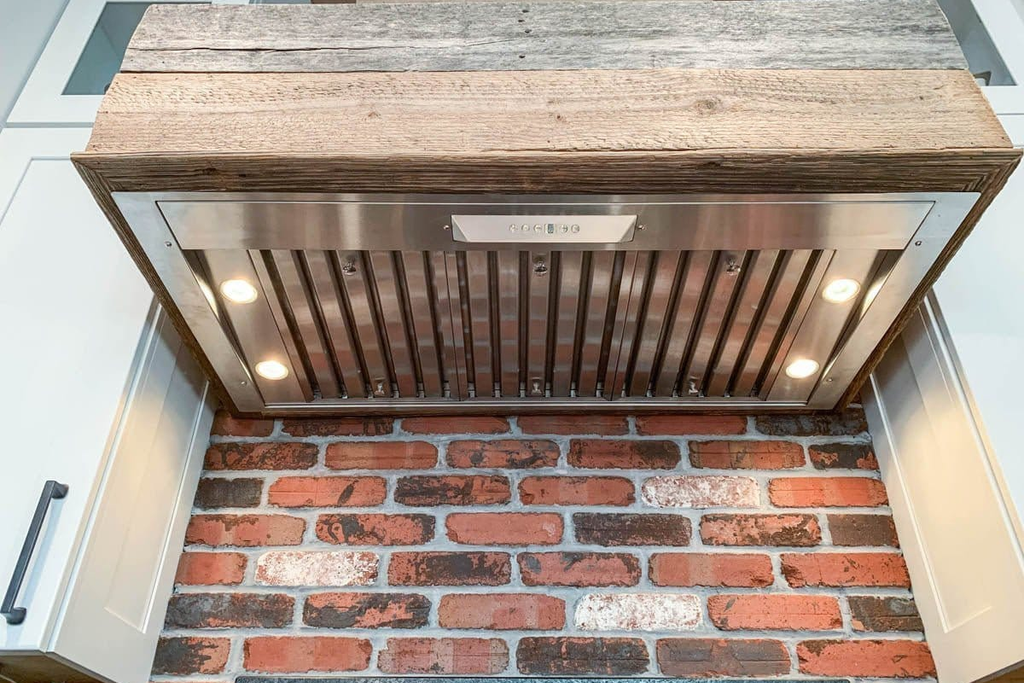
A range hood plays an important role in controlling smoke, grease, steam, heat, and cooking odors. For kitchens built around a standard 30-inch range or cooktop, choosing the correct hood size is one of the first decisions to make. Width alone, however, does not determine whether a hood will perform well.
A 30 inch stainless steel hood should be evaluated based on airflow, mounting style, duct configuration, cooking habits, noise, filter design, and the actual dimensions of the cooking surface. Stainless steel is popular because it is durable, easy to coordinate with other appliances, and suitable for many kitchen styles, but performance depends on how well the hood matches the rest of the ventilation system.
What Is a 30 Inch Stainless Steel Hood?
A 30 inch stainless steel hood is a ventilation appliance designed for installation above a cooktop or range that is approximately 30 inches wide.
Common configurations include:
- Wall-mounted hoods
- Under-cabinet hoods
- Range hood inserts
- Island hoods
- Ducted models
- Recirculating models
The stainless steel exterior provides a neutral, professional appearance that works with many ovens, refrigerators, dishwashers, and other appliances.
The internal system typically includes a blower, filters, controls, lighting, and either duct connections or components for recirculating filtered air.
Why Does Hood Width Matter?
Width affects how effectively a hood captures rising cooking contaminants.
Smoke, grease, and steam do not always travel in a perfectly vertical path. Air movement can cause them to spread outward before reaching the hood.
A 30 inch stainless steel hood can be suitable for many 30-inch cooking surfaces, but the exact fit should follow the manufacturer’s specifications.
In some installations, slightly wider coverage may improve capture, especially for powerful ranges or frequent high-heat cooking.
The hood should also be centered carefully over the cooking surface.
How Much CFM Do You Need?
CFM stands for cubic feet per minute and describes how much air the hood can move.
The appropriate airflow depends on several factors, including:
- Gas or electric cooking
- Burner output
- Hood size
- Cooking frequency
- Duct length
- Number of duct bends
- Kitchen layout
Frequent frying, searing, or wok cooking generally produces more smoke and grease than lighter meal preparation.
A 30 inch stainless steel hood should therefore be selected according to actual cooking behavior rather than choosing the highest CFM number automatically.
Excess airflow may also create makeup-air requirements depending on local building codes.
Ducted or Ductless: Which Is Better?
A ducted hood moves cooking air outside the home.
This is generally the most effective option for removing heat, steam, odors, smoke, and airborne grease.
A recirculating hood filters the air and returns it to the kitchen. These systems may be useful when external ductwork is not practical.
Ductless systems typically rely on grease filters and additional odor-control filters.
If the kitchen allows exterior venting, a ducted 30 inch stainless steel hood will usually provide stronger overall ventilation performance.
Why Does Duct Size Matter?
The duct must be large enough to handle the hood’s airflow.
Undersized ductwork creates resistance and can reduce effective performance while increasing noise.
Other restrictions include:
- Long duct runs
- Multiple elbows
- Sharp transitions
- Flexible ducting
- Narrow exterior caps
A shorter and straighter duct route generally works more efficiently.
Before installing the hood, the duct diameter should be compared with the manufacturer’s requirements.
How High Should the Hood Be Installed?
Mounting height affects both safety and capture performance.
If the hood is positioned too high, smoke and steam may spread before reaching the intake area.
If it is installed too low, it may interfere with cooking or be exposed to excessive heat.
The correct height depends on:
- Hood design
- Cooktop type
- Gas burner output
- Ceiling height
- Manufacturer instructions
A 30 inch stainless steel hood should always be installed within the recommended clearance range for the specific model and cooking equipment.
What Filter Type Is Best?
Filters capture grease before it reaches the blower and ductwork.
Common filter types include:
- Stainless steel baffle filters
- Aluminum mesh filters
- Charcoal filters for recirculating systems
Baffle filters are often used in higher-performance hoods because they are durable and can handle frequent cooking.
Mesh filters can also be effective but may require more frequent cleaning.
Filter design matters because dirty or clogged filters can restrict airflow and reduce ventilation performance.
How Often Should Filters Be Cleaned?
Cleaning frequency depends on cooking habits.
A household that frequently fries or cooks with oil may need to clean filters more often than one that primarily boils or reheats food.
Visible grease buildup is a clear sign that cleaning is overdue.
For a 30 inch stainless steel hood, keeping the filters clean can help maintain airflow and reduce grease accumulation inside the ventilation system.
Always follow manufacturer instructions regarding dishwasher compatibility or recommended cleaning methods.
Why Does Noise Matter?
Range hood noise is influenced by blower speed, duct design, installation quality, and airflow resistance.
Higher fan settings naturally produce more sound, but poorly sized ducts can make the hood louder than necessary.
A useful hood should offer several fan speeds so airflow can be matched to the cooking task.
Low speed may be sufficient for light cooking, while higher speeds can be used for heavy smoke or steam.
This flexibility can make everyday use more practical.
What Lighting Features Should You Consider?
Integrated lighting can improve visibility over the cooktop.
LED lighting is common because it provides strong illumination while using relatively little energy.
Useful features may include:
- Multiple brightness levels
- Warm or neutral color temperature
- Even coverage across the burners
- Easy bulb or fixture replacement
A 30 inch stainless steel hood should illuminate the full cooking surface rather than concentrating light in only one small area.
Good lighting can make food preparation and cleaning easier.
How Should Stainless Steel Be Maintained?
Stainless steel is durable, but it can show fingerprints, grease, water spots, and streaks.
Routine cleaning usually works best when spills and grease are removed before they harden.
Useful practices include:
- Wiping with a soft microfiber cloth
- Cleaning in the direction of the grain
- Avoiding harsh abrasive pads
- Drying after cleaning
- Removing grease regularly
Always check the manufacturer’s care guidance before using stronger cleaning products.
Frequent gentle cleaning is generally safer than occasional aggressive scrubbing.
What Causes Stainless Steel to Look Streaky?
Streaking often occurs when too much cleaner is used or when residue remains on the surface.
Water minerals can also leave marks after drying.
Using a small amount of suitable cleaner and following with a dry microfiber cloth can help improve the finish.
Cleaning in the direction of the visible grain can also reduce the appearance of streaks.
A well-maintained 30 inch stainless steel hood can retain a clean appearance without requiring complicated maintenance.
How Can You Reduce Grease Buildup?
The hood should be turned on before heavy cooking begins so airflow is already established.
Leaving the fan running briefly after cooking can also help clear remaining steam and airborne particles.
Other useful habits include:
- Using lids when appropriate
- Cleaning filters regularly
- Wiping the hood exterior
- Avoiding excessive oil splatter
- Using higher fan settings during frying
Regular maintenance prevents heavy deposits from becoming harder to remove later.
What Should You Measure Before Buying?
Before purchasing a hood, confirm:
- Range width
- Available wall or cabinet width
- Mounting height
- Cabinet depth
- Ceiling height
- Duct location
- Electrical connection
- Exterior vent path
The nominal width does not tell the entire story.
Two 30-inch hoods may differ in depth, height, chimney dimensions, or mounting requirements.
Careful measurement can prevent installation problems.
What Should You Compare Between Models?
When comparing a 30 inch stainless steel hood, look at more than appearance.
Important specifications include:
- Airflow capacity
- Number of fan speeds
- Noise level
- Filter type
- Lighting
- Duct size
- Mounting method
- Controls
- Dimensions
- Warranty
- Cleaning requirements
The best choice is one that matches the range, kitchen layout, and cooking style rather than simply offering the most features.
Conclusion
A range hood should be chosen as part of the overall cooking and ventilation system. Width, airflow, ducting, mounting height, filters, lighting, and noise all influence how effectively it handles everyday kitchen conditions. When selecting a 30 inch stainless steel hood, homeowners should pay close attention to installation requirements and maintenance needs in addition to style. Understanding how to clean stainless steel appliances with baking soda can also be useful when caring for stainless surfaces, provided the cleaning method is compatible with the appliance manufacturer’s recommendations and does not involve overly abrasive scrubbing. Careful sizing, proper duct installation, and regular cleaning can help a stainless steel range hood remain effective and visually consistent with the rest of the kitchen.