
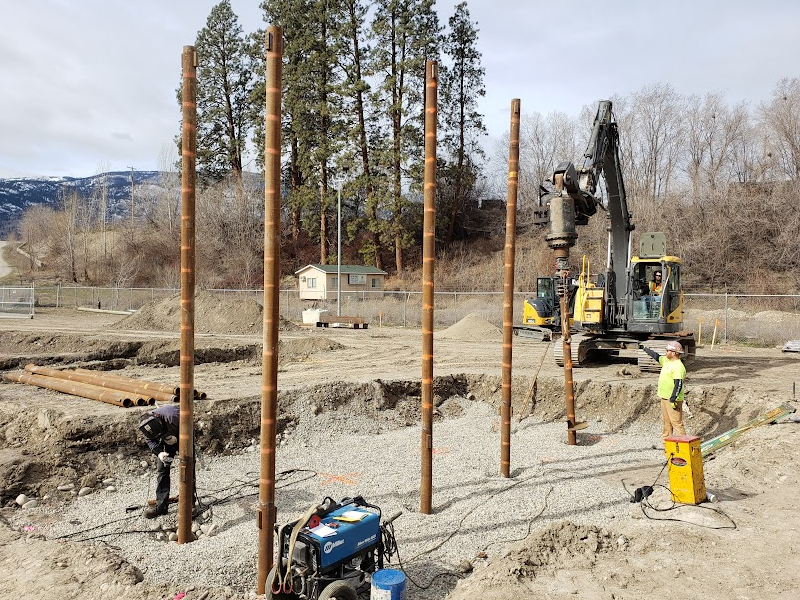
In the world of foundation construction, precision and reliability matter more than anything else. One of the most crucial aspects of ensuring structural stability during helical pile installation is torque monitoring — a process that provides real-time data about the pile’s load-bearing capacity as it’s driven into the ground. It’s not just a technical step; it’s a quality assurance measure that helps engineers, builders, and inspectors verify that every foundation is performing as intended.
Why Torque Monitoring Matters
During helical pile installation, the torque — or rotational resistance — provides an accurate measure of the soil’s strength and the pile’s ability to support the designed load. Since each site presents different soil conditions, torque readings become an essential indicator of whether the pile has reached the required depth and capacity.
Without torque monitoring, installation could easily lead to over-torquing, which might damage the pile, or under-torquing, which can compromise the structure’s stability. Monitoring torque ensures the piles are installed safely, efficiently, and to engineering specifications.
This process is especially important for projects involving bridges, decks, solar farms, or commercial buildings, where consistent load capacity is critical. Engineers rely on torque data to make informed decisions on-site, minimizing the risk of human error and costly rework later on.
The Science Behind Torque and Capacity
In simple terms, the torque applied during helical pile installation correlates directly to the pile’s ultimate capacity — the greater the torque, the stronger the pile’s resistance against the soil. Installers use specialized equipment fitted with torque monitoring devices to record readings at each stage of installation.
Typically, these readings are displayed digitally, allowing real-time tracking of pile performance. Once the target torque is reached, installers can confirm that the pile meets design requirements without needing time-consuming load testing. This combination of precision and efficiency makes torque monitoring one of the most trusted verification methods in the industry.
Tools and Techniques Used
Modern installation equipment is designed with integrated torque monitoring systems that can automatically record data and generate detailed reports. These systems use hydraulic pressure sensors and electronic transducers to capture torque values accurately.
Some advanced systems even use cloud-based software to store and analyze data instantly, providing engineers and project managers with remote access to progress updates. This digital approach streamlines reporting and ensures that every pile installed meets the same rigorous quality standards.
The key to reliable torque measurement lies in using well-calibrated tools and trained professionals. Even the most advanced equipment is only as effective as the operator behind it. That’s why skilled installation teams place significant emphasis on calibration, technique, and consistency during every project.
Common Challenges and How They’re Managed
Like any technical process, torque monitoring during helical pile installation comes with its own challenges. Variations in soil composition, unexpected obstructions, or incorrect calibration can lead to inconsistent torque readings.
To address these issues, experienced crews typically conduct pre-installation testing and use standardized procedures to interpret results accurately. They also ensure that each installation follows engineering guidelines that account for site-specific soil conditions. Continuous training and equipment maintenance further guarantee that torque data remains reliable from start to finish.
Torque monitoring is the invisible backbone of successful helical pile installation projects. It ensures that each foundation element performs as engineered, supports its intended load, and complies with safety standards. By leveraging modern technology, skilled installers, and precise monitoring equipment, construction teams can achieve consistent, dependable results on every project — no guesswork, no shortcuts, just reliable performance built from the ground up.
For More Information About Commercial Drilling Service and Piling Services Okanagan Valley Please Visit: ATLAS PILING.