
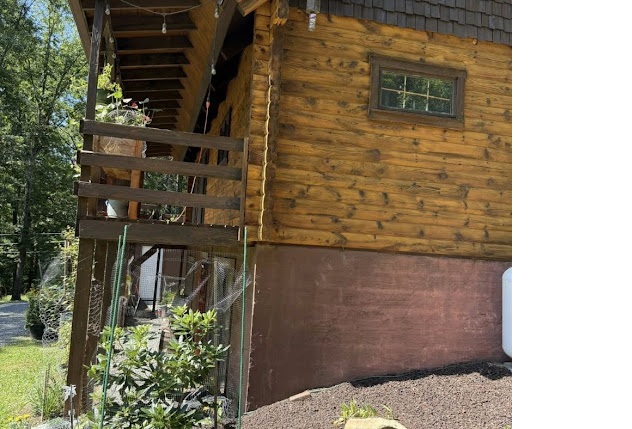
If you’ve got a log cabin, you know they’re beautiful, sturdy, and cozy—but they aren’t invincible. Over time, even the toughest logs can start to rot, especially if moisture sneaks in and you don’t catch it early. This is where log cabin rotten log repair becomes more than just a DIY curiosity—it’s survival. Ignoring it might seem easier at first, but that small patch of rot can turn into a structural headache before you even notice. I’m talking sagging walls, warped floors, and a big mess that no one wants to deal with.
Now, before you panic, let’s be real. Rotten logs aren’t the end of the world. But fixing them isn’t just slapping some wood filler on a surface and calling it good. You need to understand what you’re dealing with. Logs rot from the inside out sometimes, so what you see on the outside may be just the tip of the iceberg. A lot of people miss that. You need to probe, poke, tap, whatever it takes to see how far it’s gone. Sometimes you’ll find the rot hasn’t spread much. Other times, it’s a bigger problem, and you’ll need a proper replacement log.
Understanding the Cause of Rot
Before you even pick up a chisel or a saw, figure out why your logs are rotting in the first place. Usually, it’s water. Leaks from the roof, splash-back from the ground, clogged gutters—anything that keeps the wood wet will start the decay process. The sun dries logs out, but if water sits in cracks or around the base, it’s only a matter of time. You might have treated the exterior, but treatments wear off. Check your cabin every year or two, don’t wait for the rot to announce itself with a soft, squishy patch or a funky smell.
Sometimes insects join the party too. Carpenter ants, termites, and even beetles can accelerate decay. They get in soft wood, tunnel around, and leave moisture in their wake. That makes log cabin rotten log repair trickier. You need to make sure you’re not just patching over damage while letting pests continue to feast. It’s one of those things where you can’t half-ass it.
Assessing the Damage
Once you know why the rot started, it’s time to see how bad it is. Tap logs with a hammer, probe with a screwdriver, and inspect the corners and joints. Rot rarely spreads evenly. A log might look fine on the outside but be crumbly inside. Sometimes the bottom logs near the foundation take the worst hit—they sit in damp air or touch the ground directly. Upper logs get damaged too, but usually more slowly.
If you spot minor rot, epoxy and wood hardeners can help, but don’t treat them like a permanent fix if the damage is deep. For bigger issues, you’ll need to cut out the rotted section or replace the entire log. And yes, that’s messy, heavy, and not exactly glamorous, but it beats dealing with a wall collapse later.
Techniques for Rotten Log Repair
Here’s where it gets practical. You can’t just slap paint over rotten logs and expect the problem to vanish. For small patches, you can remove the soft wood, dry out the cavity, and fill it with a two-part epoxy designed for wood restoration. That stuff cures hard and bonds well to existing timber. For bigger damage, you might have to notch out the affected area and splice in a replacement piece. Think of it like a puzzle—you’re literally fitting new wood into old, matching the shape and sometimes the curve of the log.
Another trick is to consolidate weak sections with wood hardener before applying filler. It penetrates deep, reinforces the fibers, and gives you a more stable base for repairs. But don’t overdo it. Too much, and you get a brittle patch that might crack under stress. Balance is key.
Maintenance After Repair
Fixing a rotten log is one thing, keeping it from happening again is another. Sealants and stains are your best friends here. Reapply them every few years, especially in spots exposed to rain or snow. Gutters, flashing, and proper grading around the cabin are simple steps that make a huge difference. And don’t ignore the interior. Moisture inside a cabin can condense on logs and start a rot process from the inside out. Good ventilation, maybe a dehumidifier if you live in a damp area, helps more than most people realize.
Speaking of interiors, don’t forget that your log repair impacts the interior design of log cabins too. That rustic charm comes from the wood itself, so you want repairs to blend in. You can sand, stain, and even shape the new sections to match the grain and color of the original logs. A sloppy repair not only looks bad but can also reduce the perceived value of your cabin. It’s like doing patchwork on a wooden floor—you notice it, even if it functions fine.
Signs You Should Call a Pro
Not every rotten log repair is DIY-friendly. Some damage can be too extensive for the average cabin owner to handle safely. If walls are sagging, corners are splitting, or multiple logs are compromised, it’s time to call in a professional. They have the tools, experience, and expertise to replace damaged logs without destabilizing the structure. Waiting too long—or attempting a poorly done fix—can end up costing far more than having the repair handled properly the first time, especially if moisture damage begins affecting the interior design of log cabins as well.
Even if you’re handy, knowing when to admit you’ve hit your limit is part of being smart about log cabin upkeep. You don’t want to risk injury or making a problem worse.
Final Thoughts
Log cabin rotten log repair isn’t glamorous, and it’s not always easy, but it’s worth the effort. Catching rot early, understanding the cause, and taking a hands-on approach can save a lot of headaches down the road. Remember, a cabin is only as sturdy as the logs it’s built from. Water and pests will try to mess with that, but proactive repair and maintenance keep your home standing tall. Blend repairs seamlessly if you care about the look, and don’t forget to address both exterior and interior factors.
At the end of the day, it’s about keeping your cabin livable and beautiful. You’ll have rough days, you’ll curse the logs, and sometimes it feels like a bigger job than it is—but there’s something satisfying about fixing it yourself, knowing the work you did will last years. Rotten logs happen, but they don’t have to ruin your cabin. Handle them right, and your cabin will be good for decades to come.