
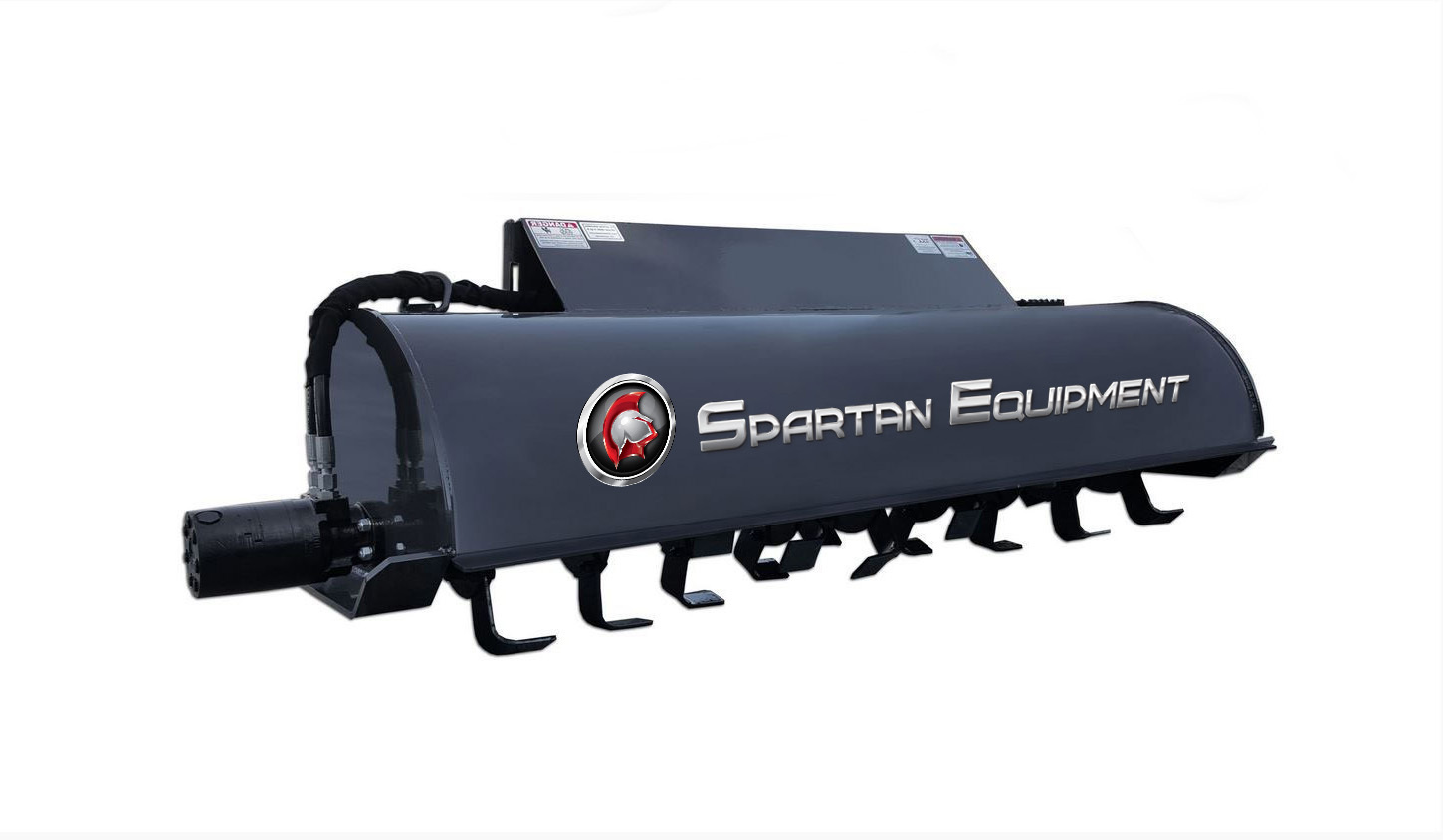
If you’ve ever tried breaking up hard ground with the wrong tool, you already know. It’s slow. It’s frustrating. And it costs you money every hour you’re out there. A skid steer rototiller changes that but only if you run it the right way.
A lot of guys start looking for a skid steer rototiller for sale when spring hits or when a big prep job lands on their desk. Makes sense. Whether you’re a contractor grading lots, a landscaper rebuilding lawns, or a farm operator turning soil between seasons, the rototiller attachment is one of those tools that can either make you look like a pro… or make you look unprepared.
Let’s break down how to use it properly. Not theory. Real job-site stuff.
Why a Rototiller Is One of the Smartest Skid Steer Loader Uses
There are dozens of skid steer loader uses out there. Buckets, augers, trenchers, grapples. All solid. But when you need to prep soil fast and evenly, nothing beats a hydraulic tiller attachment. It’s built to chew through compacted dirt, clay, leftover sod, even old gravel mixes that didn’t quite get cleared.
The mistake? People treat it like a lawn tiller from the hardware store. It’s not. This thing has torque. Real torque.
Used right, it levels, aerates, and blends soil in one pass. Used wrong, it bounces, clogs, and leaves ridges everywhere.
Start With the Right Setup
Before you even fire it up, check three things.
Hydraulic flow. Make sure your skid steer matches the rototiller’s requirements. Standard flow vs high flow matters more than people admit. If the attachment is starving for oil, you’ll feel it immediately.
Tine condition. Worn tines don’t cut clean. They smear soil instead of slicing it. If you’re investing in a quality unit something like what Spartan Equipment builds don’t cheap out on maintenance. Sharp tines make a huge difference.
Depth control. Don’t just drop it all the way down and hope for the best. Start shallow. Two to four inches on the first pass is usually smart, especially on compacted ground.
Rushing this part? That’s where efficiency dies.
Understand the Soil Before You Till
This sounds basic, but it’s where a lot of contractors mess up.
Wet soil clumps. Dry soil turns to dust. Rocky soil beats up your gearbox if you’re careless.
If the ground is soaked, wait. I know schedules get tight. But running a skid steer rototiller through mud just wastes fuel and time. You’ll end up making multiple passes to fix the mess you created.
Walk the site. Kick the dirt. Look for hidden debris wire, roots, old concrete chunks. A rototiller attachment is tough, but it’s not invincible.
Proper Operating Technique (Slow Is Smooth)
Here’s the part most guys don’t like hearing. Slow down.
You don’t run a rototiller at full travel speed. Ease forward. Let the tines bite and do their job. If the machine starts hopping, you’re pushing too fast or cutting too deep.
Keep steady pressure on the ground but don’t force it. Let the weight of the attachment work with you. Small adjustments on the joystick. Nothing dramatic.
Overlap your passes slightly. Not a perfect grid. Just enough so you’re not leaving strips of untouched soil. This isn’t mowing grass.
If you need deeper tilling, do it in stages. First pass shallow. Second pass deeper. Trying to rip 8 inches deep in one go just strains your hydraulics and burns diesel.
Efficiency isn’t about speed. It’s about clean results in fewer corrective passes.
Match the Rototiller to the Job
Not every job needs aggressive tilling. Landscaping for sod install? You want fine, even soil. Farm prep between crops? Maybe deeper mixing.
This is where choosing the right skid steer rototiller for sale matters. Look at working width. Look at torque rating. Look at build quality. Thicker steel housings hold up longer on commercial sites. Chain drive vs direct drive that’s another conversation, but durability should always win over flashy specs.
Spartan Equipment, for example, builds attachments meant for contractors, not weekend homeowners. That difference shows up when you’re running eight hours straight.
Fuel Efficiency and Machine Wear
Here’s something people ignore: how you operate the tiller affects your skid steer’s lifespan.
Running at max throttle all day isn’t always necessary. Find the RPM sweet spot where the tines stay consistent but the engine isn’t screaming. Your fuel bill will thank you.
Keep the attachment level. If you’re constantly angling it wrong, you’re putting uneven stress on the bearings and motor. Small habits matter over time.
Grease points. Every day. Not every week.
A rototiller is one of the more demanding skid steer loader uses, so treat it accordingly.
Finishing the Job Right
After tilling, don’t just load up and leave.
Back drag lightly with the attachment lifted slightly, or switch to a bucket to smooth things out. If you’re prepping for sod or seed, final grade matters. Customers notice uneven lawns.
Check soil consistency. Break apart larger clumps by hand if needed. It’s a small step, but it makes your work look intentional.
And always inspect the attachment after heavy use. Look for loose bolts, bent tines, leaking hydraulic fittings. Catching small issues early keeps your rototiller ready for the next job.
Common Mistakes That Kill Efficiency
Trying to till ground that should’ve been cleared first.
Running too deep too fast.
Ignoring machine compatibility.
Buying the cheapest attachment instead of the right one.
Efficiency starts before the engine turns on.
When contractors start shopping for a skid steer rototiller for sale, price usually leads the conversation. It shouldn’t. Uptime should. Reliability should. Downtime costs more than a better-built attachment ever will.
Final Thoughts: Work Smarter, Not Louder
A skid steer rototiller is one of the most productive attachments you can own. But it’s only efficient when you operate it with intention. Slow passes. Correct depth. Maintained equipment. Attention to soil conditions.
Among all the skid steer loader uses out there, soil prep is one that directly affects how your finished project looks. Lawns grow better. Foundations sit cleaner. Fields produce more evenly.
So take your time. Choose the right machine. Maintain it. And if you’re in the market, don’t just search for any skid steer rototiller for sale look for one built for commercial abuse, something that can handle real job-site pressure. That’s where brands like Spartan Equipment come into play.
At the end of the day, maximum efficiency isn’t about pushing harder. It’s about working smarter. And that usually starts with the right attachment and knowing how to actually use it.