
Remote and hybrid work have become common in today’s business environment. While they provide flexibility, they also make it harder for managers to see what employees are working on. This can lead to misunderstandings, confusion, or unfair evaluations. Time tracking software helps solve this problem by clearlyrecording work hours and tasks. It provides visibility into team activities, helping managers make informed decisions while allowing employees to understand how their work contributes to team goals. In turn, this improves transparency, accountability, and overall team productivity.
Understanding Transparency in Remote and Hybrid Teams
Transparency in the workplace means making work processes, responsibilities, and outcomes visible to everyone involved. For remote and hybrid teams, transparency is important for building trust, improving collaboration, and ensuring that all team members are accountable for their contributions.
Without transparency, teams may face several issues, including unclear responsibilities, missed deadlines, unequal workloads, and miscommunication. Employees may feel their work is overlooked, while managers may be unsure about progress. Clear visibility into tasks and workflow helps prevent these problems, promotes fairness, and strengthens team coordination. It also helps organizations to monitor productivity in a structured and ethical manner.
How Time Tracking Software Directly Improves Transparency
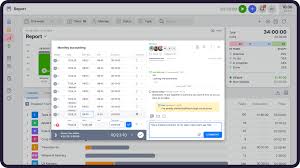
Time tracking software provides managers with accurate, real-time information about tasks, hours, and deadlines. By capturing detailed records of daily activities, these tools ensure that performance evaluation is fair and evidence-based. Managers no longer have to rely solely on manual reports or frequent check-ins, which can be inconsistent or incomplete.
Some of the ways this software improves transparency include:
- Automatically tracking work hours and task progress, eliminating manual errors.
- Providing managers with real-time updates on team activities and project milestones.
- Ensuring fair evaluation of individual contributions across projects.
- Reducing misunderstandings about workloads or responsibilities to help prevent conflict.
With these benefits, teams get a shared understanding of work expectations and progress, creating an environment where transparency is a natural part of daily operations.
Promoting Accountability and Trust Without Micromanagement
A common concern about tracking tools is that they might feel like surveillance. When used carefully, these tools promote self-management and accountability rather than micromanagement. Employees can see their own work patterns, track progress, and adjust their schedules to meet deadlines efficiently.
Transparency also builds trust within the team. When work is visible to everyone, employees are confident that their contributions are recognized fairly. Managers can also ensure workloads are balanced, helping prevent burnout and creating a healthier work environment. Over time, this approach builds a culture of accountability where employees take ownership of their tasks and results.
Using Productivity Tracking Software for Insights
While time tracking shows hours worked, productivity tracking software provides additional insights into how tasks are completed. These tools allow managers to track efficiency, measure task completion, and spot trends that may indicate bottlenecks or areas for improvement.
Key features of this software include:
- Tracking task completion rates to identify potential delays
- Measuring efficiency across different projects and team members
- Analyzing patterns over time to optimize workflow and improve decision-making
By combining time-tracking with productivity tracking software, managers get a complete picture of how work is progressing. These insights help organizations support employees effectively and improve workflows without interfering with daily operations.
Best Practices for Ethical and Effective Tracking
Tracking tools are most effective when used ethically and with employee support. Organizations should follow these best practices to ensure the process enhances transparency and productivity:
Before implementing tracking, consider these steps:
- Explain the Purpose Clearly: Communicate why tracking is being used, how it benefits the organization, and how it helps employees manage their workload better.
- Focus on Results, Not Monitoring: Use the data to guide improvements and recognize good performance rather than to control every activity.
- Involve the Team: Include employees in setting expectations and address any concerns to maintain trust.
- Use Data Constructively: Leverage insights from productivity tools to train employees, simplify workflows, and reward achievements.
Following these steps ensures that tracking tools support transparency and accountability while maintaining trust and morale among team members.
Conclusion
In remote and hybrid work environments, transparency is important for trust, accountability, and collaboration. These tools provide clear visibility into work hours and tasks while offering deeper insights into performance and efficiency.
When implemented ethically and communicated clearly, they support trust, fairness, and productivity. Rather than serving as a method of surveillance, tracking tools help teams operate transparently and efficiently, ensuring that remote and hybrid teams perform at their best while maintaining a positive, collaborative workplace culture.