
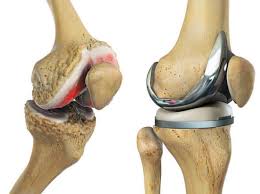
Knee replacement surgery has become more precise and effective due to modern techniques and innovations. Surgeons now use advanced imaging, personalised instruments, and improved implant materials to ensure better joint alignment and smoother movement. These developments have made the treatment procedure more effective and have helped more patients reduce complications, speed up recovery, and support long-term joint function.
In addition to surgical improvements, careful aftercare and guided rehabilitation play a key role in recovery. Patients benefit from early physiotherapy, pain management, and exercises that strengthen surrounding muscles. Understanding these advancements helps patients feel confident about the procedure and achieve better outcomes in daily activities.
Preoperative Planning and Assessment
Successful knee replacement surgery begins with detailed preoperative planning. Surgeons use advanced imaging techniques such as 3D scans, MRI, and CT scans to carefully examine the knee. These tools help them assess bone density, ligament condition, and joint alignment. By identifying potential challenges such as prior injuries or deformities, surgeons can choose the best approach, select implants that fit precisely, and reduce the risk of complications. Precise planning increases the chances of a smooth procedure and faster recovery.
Patient-Specific Instruments
Patient-specific instruments improve accuracy and personalise the procedure for each patient. These tools, made from preoperative imaging data, guide bone cuts and implant placement. The main benefits include:
- Precise bone cuts suited to the patient’s anatomy
- Better implant fit for improved joint function
- Shorter surgery time and lower risk of infection
- Less soft tissue damage
By using these instruments, surgeons achieve more accurate placement. This supports quicker recovery, preserves natural joint movement, and improves long-term results.
Advanced Implant Materials
Modern knee implants use materials designed to last longer and allow smoother movement. Key improvements include:
- Durable metals and polyethylene components are resistant to wear
- Surface coatings that reduce friction and improve joint motion
- Highly cross-linked polyethylene for longer implant life
- Lower risk of revision surgery due to stronger materials
These materials allow patients to regain mobility faster and reduce long-term complications. Improved durability helps patients return to normal activities with confidence.
Minimally Invasive Techniques
Minimally invasive surgery reduces damage to the knee and surrounding tissues. Smaller incisions protect muscles and ligaments and help patients recover faster. Advantages include:
- Smaller surgical cuts for quicker healing
- Less tissue damage during surgery
- Lower blood loss and reduced pain
- Earlier start of physiotherapy exercises
These techniques allow patients to begin rehabilitation sooner, improving joint flexibility, strength, and confidence in movement.
Robotic-Assisted Surgery
Robotic-assisted systems allow surgeons to place implants with precision. Using detailed imaging and real-time guidance, surgeons can:
- Achieve accurate implant alignment for stable joints
- Balance soft tissue tension for smoother movement
- Increase implant lifespan through precise placement
- Reduce complications from misalignment
Robotic assistance improves surgical accuracy, reduces variation between procedures, and leads to more predictable outcomes for patients.
Postoperative Care and Rehabilitation
Recovery after surgery is as important as the procedure itself. Pain management and planned physiotherapy help patients regain mobility efficiently. Aftercare includes:
- Early movement to prevent stiffness
- Physiotherapy exercises for strength and flexibility
- Pain control with nerve blocks and medicines
- Gradual return to daily activities with supervision
These steps help patients heal faster, avoid setbacks, and feel more confident in using their knee for normal tasks.
Emerging Biologics and Regenerative Techniques
Researchers are exploring biologics and regenerative medicine to improve recovery. These techniques offer:
- Use of growth factors to support tissue repair
- Better integration of implants with the surrounding bone
- Faster recovery of soft tissue and joint function
Although still developing, combining regenerative therapies with traditional surgery may help patients regain movement more quickly and support long-term joint health. Such advanced approaches are increasingly being adopted at renowned hospitals like BLK-Max Super Speciality Hospital to enhance patient outcomes.
Patient Education and Engagement
Teaching patients about their surgery and recovery plays a key role in the success of their care. Hospitals provide guidance on exercises, activity levels, and warning signs to watch for. Patients who understand their recovery process are more likely to follow instructions, participate in therapy, and regain movement safely. Education also helps patients feel confident and prepared, improving overall satisfaction with the procedure.
Interdisciplinary Care Approach
Successful surgery relies on teamwork among surgeons, physiotherapists, nurses, and rehabilitation specialists. This approach ensures:
- Focused recovery of strength and mobility
- Effective pain control
- Support for emotional well-being during recovery
- Quick attention to any issues that arise
Working together, healthcare providers help patients regain independence faster and safely.
Conclusion
Modern
has advanced through improved planning, personalised instruments, durable implants, minimally invasive methods, and robotic-assisted techniques. Along with guided rehabilitation, patient education, and team-based care, these innovations enhance precision, reduce complications, and support faster recovery. Patients benefit from improved joint function, increased mobility, and reduced pain as they gradually return to daily activities. By combining surgical improvements with ongoing care and monitoring, knee replacement procedures now offer safer, more effective outcomes and long-term improvement in quality of life.