
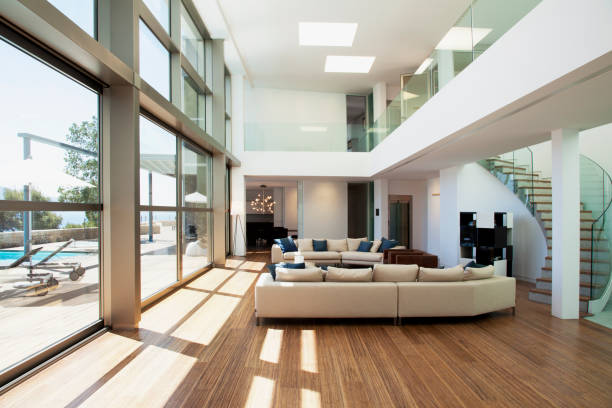
Most people think a “sophisticated” interior just means expensive stuff and clean photos. That’s not really it. You can spend a lot and still end up with a space that feels… off. A bit forced. The truth is, good design feels natural, like it wasn’t trying too hard in the first place. That’s where Las Vegas Interior Design gets interesting, because you’ve got bold styles everywhere, but the best spaces? They still feel controlled. Thought through. Nothing random, even if it looks effortless.
Start With a Clear Vision (Not Just Random Ideas)
Alright, so first thing—stop collecting random inspiration without a plan. People save a hundred ideas and expect them to magically fit together. They don’t. A real design plan starts with clarity. What do you actually need from the space? Quiet? Energy? Something practical? You’ve got to answer that before picking colors or furniture. Otherwise, you end up with a room that looks decent but doesn’t really work. And yeah, that happens a lot more than people admit.
Balance Matters More Than Showing Off
This is where people go wrong. They try to impress. Too many statement pieces, too many bold choices stacked together. It gets messy fast. Sophisticated spaces don’t yell at you. They kind of hold back a little. One strong element, maybe two, and the rest supports it. That’s it. You don’t need every corner trying to be “the moment.” Honestly, pulling things back is harder than adding more, but that’s usually what makes the difference.
Materials Say More Than Trends Ever Will
Trends come and go. You already know that. What looks “modern” today might feel outdated in a year or two. Materials, though—that’s different. Solid wood, stone, even good quality fabrics… they stick around. They age better. A space starts to feel grounded when the materials are right. And yeah, you don’t need the most expensive option every time, but cheap shortcuts? They show. Maybe not immediately, but give it some time and you’ll notice.
Lighting Can Fix or Ruin Everything
Lighting is one of those things people ignore until it’s too late. Then suddenly the room feels flat, or too harsh, or just weird. A single overhead light isn’t enough. It never was. You need layers—some soft lighting, some focused, maybe a bit of accent. And dimmers, seriously, they make a bigger difference than people expect. Especially in a place like Vegas where daylight is intense and nights are… well, completely different. You’ve got to control the mood somehow.
Function First, Then Style (Not the Other Way Around)
Let’s be real—if a space doesn’t work, it doesn’t matter how good it looks. You’ll feel it every day. Bad layout, awkward movement, no storage… those things get annoying fast. A good design plan fixes that early. You think about how people move, where things go, how the space is actually used. Style comes after. Or at least, it should. When both come together, that’s when a space starts to feel easy. Like you don’t have to think about it.
Details Are Quiet, But They Matter
Here’s the part people skip. The small stuff. Edges, finishes, handles, spacing… tiny decisions that don’t seem important on their own. But together? They change everything. A slightly off alignment, a weird finish choice—it throws things off more than you’d think. You might not be able to explain it, but you’ll feel it. Good design hides in those details. It’s subtle, not flashy, but it sticks.
Execution Can Make or Break the Whole Plan
Even with a solid design, things can go sideways during execution. Measurements off by a little, rushed installs, cheap finishing work—it adds up. That’s why working with the right people matters, especially when you’re dealing with Home Renovation Services in Las Vegas. Because ideas are one thing. Actually building them properly? That’s a whole different game. And if that part slips, the whole space suffers. No way around it.
Conclusion
At the end of the day, a sophisticated interior isn’t about perfection. It’s more about control. Knowing what to include, what to leave out, and when to stop messing with things. It should feel natural, not staged. A bit effortless, even if it wasn’t. You don’t need to overthink every detail, but you do need a plan. A real one. Because when everything lines up—function, materials, lighting, all of it—you don’t just see the difference. You live in it, every day, without even noticing why it works.