
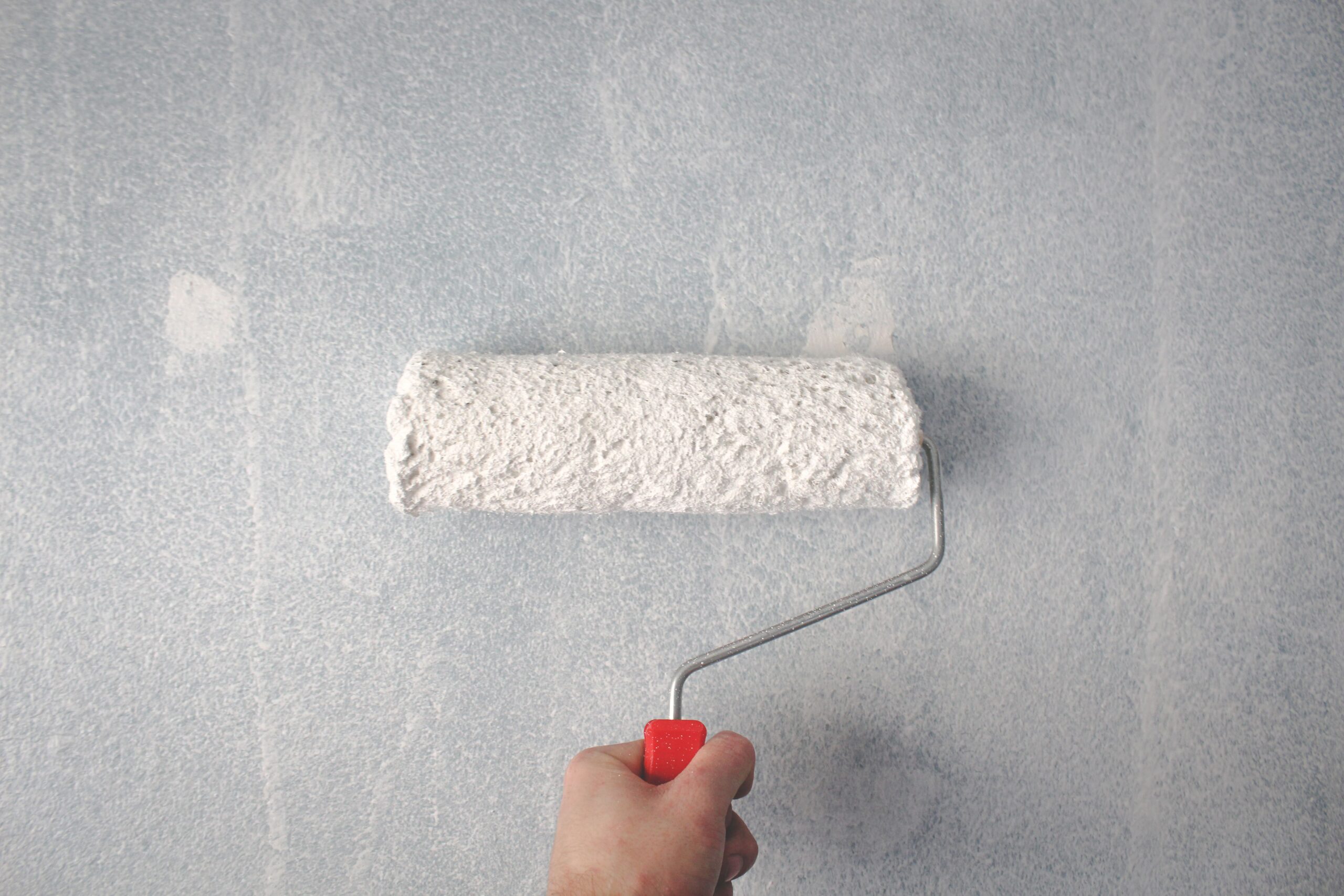
Pool epoxy isn’t forgiving. It shows every mistake, every uneven pass, every cheap tool choice. You can prep the surface right, mix the coating perfectly, follow the timing… and still mess up the finish if your roller isn’t up to it. That’s just how it goes. Finding the best roller for epoxy pool paint matters more than most people think, and yeah, it’s one of those details that separates a smooth, glassy pool from one that looks patchy six months later. Not saying you need the most expensive option out there, but you do need the right features. Some stuff actually matters. Some doesn’t.
Why Nap Length Isn’t Just a Minor Detail
A lot of people overlook nap length. Big mistake. For pool epoxy, you’re not painting drywall. You’re dealing with a thicker, self-leveling coating that still needs help spreading evenly. A shorter nap, like 1/4 inch, usually works better because it doesn’t overload with material. Less dripping, more control. Go too thick and suddenly you’re dragging excess epoxy around, creating lines you didn’t plan for. It feels faster at first, sure, but then you’re backtracking, fixing spots, wasting time. Not worth it. Keep it tight, controlled, consistent.
Material Type: Cheap Fibers Will Cost You Later
Here’s where people try to save money and regret it almost immediately. Roller material matters. Woven or shed-resistant microfiber blends tend to perform better with epoxy. They hold enough product without dumping it everywhere. Foam rollers? Sometimes okay for super smooth finishes, but they can struggle with durability, especially on rougher pool surfaces. And low-quality rollers… they shed. Tiny fibers stuck in your epoxy coat? Yeah, that’s permanent. You’re not pulling those out once it cures. Spend a bit more here, seriously.
Core Strength and Frame Fit
Not the most exciting topic, but it matters. A weak roller core can flex under pressure, especially when epoxy starts building up. That flex messes with your pressure, and your finish ends up uneven. You want a solid core that holds shape. Also, make sure the roller actually fits your frame snug. Sounds obvious, but loose rollers wobble, and that wobble shows up on the surface. It’s one of those small annoyances that turns into a visible problem real fast.
Width of the Roller: Bigger Isn’t Always Better
There’s this idea that wider rollers always save time. Sometimes true, sometimes not. For pool epoxy, control beats speed most days. A 9-inch roller is kind of the sweet spot for many jobs. Easy to handle, good coverage, doesn’t get awkward in tighter curves or steps. Larger rollers, like 18-inch ones, can work on big open pool floors, but they’re harder to manage, especially if you’re working solo. You get tired quicker, and fatigue leads to sloppy passes. That’s just reality.
Surface Compatibility Changes Everything
Not all pools are smooth. Some are rough, textured, or have older coatings underneath. That changes how your roller behaves. A smoother surface lets you use finer nap rollers and get that clean finish. Rougher surfaces need something a bit more forgiving, maybe a slightly higher nap that can get into those low spots. You’ve gotta adjust based on what you’re working with. There’s no one-size-fits-all, even if people try to sell it that way.
When Buying in Volume Actually Makes Sense
If you’re doing this kind of work regularly, buying bulk paint rollers isn’t just about saving money, it’s about consistency. You find a roller that works, you stick with it. Same feel, same results, job after job. Plus, with epoxy, rollers don’t always last long anyway. Sometimes it’s smarter to swap them out mid-job than push a worn one too far. Having extras on hand just makes life easier. No scrambling, no compromises halfway through a coat.
Durability vs Disposable Thinking
Here’s the thing. Not every roller needs to last forever. With epoxy, especially pool coatings, cleanup can be a pain. Some pros treat rollers as semi-disposable, use them for a job or two and move on. Others prefer higher-end rollers that can handle multiple uses if cleaned right. Both approaches work. It really depends on your workflow. But durability still matters even if you’re not planning to reuse it much. A roller that falls apart mid-application? That’s worse than just tossing one after the job.
Conclusion
At the end of the day, the roller you choose isn’t just another tool, it’s part of the final result. Nap length, material, core strength, size… all of it plays a role whether you notice it or not. The wrong roller makes the job harder and the finish worse. The right one? It just works. Smooth application, fewer issues, better-looking pool. Simple as that. You don’t need to overthink it, but you do need to pay attention. Because with pool epoxy, shortcuts tend to show. And once they do, there’s no easy fix.