
Choosing the right roofing system can significantly impact a building’s appearance, maintenance requirements, and long-term performance. Among metal roofing options, standing seam roofing is often considered the premium choice. But how does it compare with traditional exposed-fastener metal roofing?
Understanding the Difference
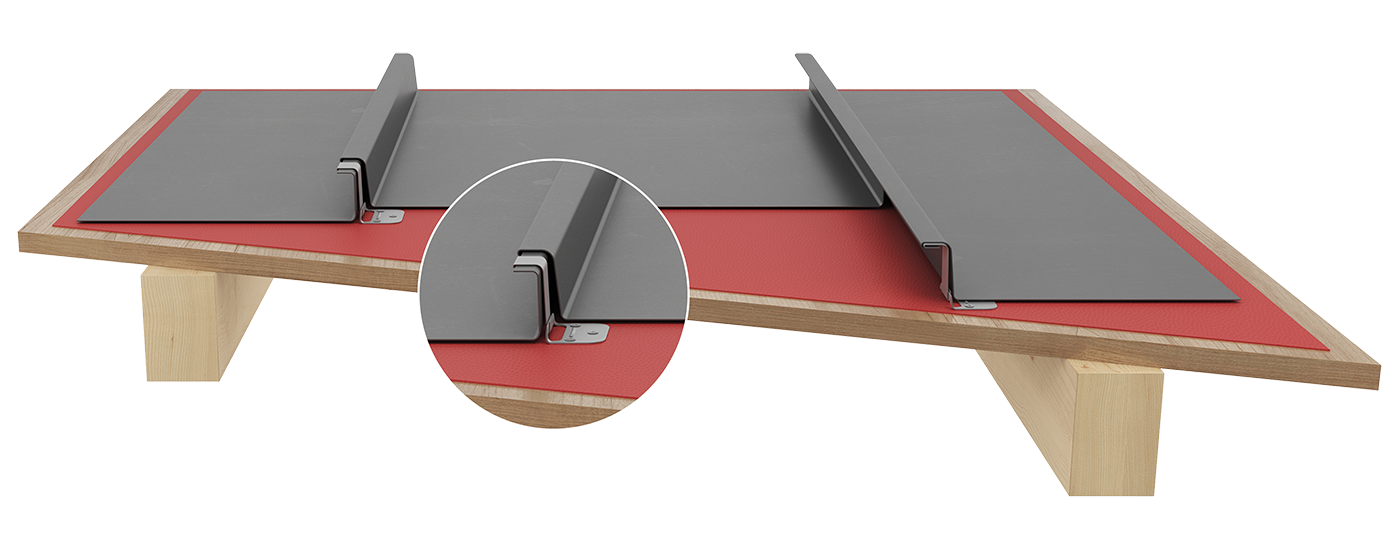
Traditional metal roofing uses visible fasteners that secure panels directly to the roof structure. Standing seam roofing uses concealed clips hidden beneath raised seams, creating a cleaner appearance and reducing direct exposure of fasteners to weather conditions.
Aesthetic Appeal
Standing seam roofing is widely recognized for its sleek architectural appearance. The absence of exposed screws creates a refined finish that complements modern homes and commercial buildings.
Traditional metal roofing can still be attractive but often delivers a more industrial or agricultural appearance.
Weather Resistance
Because the fasteners are concealed, standing seam systems reduce the risk of water infiltration around screw penetrations. The raised seam profile also improves weather protection.
Industry professionals frequently cite hidden-fastener systems as a major advantage over exposed-fastener alternatives.
Expansion and Contraction
Metal naturally expands and contracts due to temperature changes. Standing seam systems use sliding clips that accommodate this movement, helping reduce stress on the roofing material.
Design Options
Standing seam offers extensive customization possibilities, including:
- Curved panels
- Tapered panels
- Custom widths
- Vertical installations
- Horizontal installations
- Diagonal applications
Traditional metal roofing typically provides fewer architectural design possibilities.
Cost Considerations
Standing seam roofing generally costs more because of specialized manufacturing and installation requirements. However, many property owners view the added expense as worthwhile due to the system’s longevity and premium appearance.
Which Option Should You Choose?
If budget is the primary concern, traditional metal roofing may be sufficient. However, for projects prioritizing durability, aesthetics, and architectural flexibility, standing seam roofing is often the superior long-term investment.