
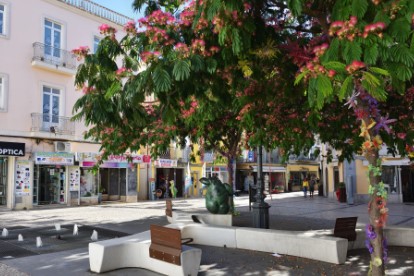
Landscaping often relies on trees that bring seasonal color, structure, and long-term beauty to outdoor spaces. Among these, flowering trees are especially valued because they combine height, shade, and ornamental blooms in a single plant. In many garden designs, these trees serve as focal points that naturally draw attention while also supporting biodiversity and improving the overall environment of the space.
Understanding how these trees grow, their types, and how they can be used in landscaping helps gardeners and homeowners make better planting decisions.
What Are Flowering Trees?
Flowering trees are woody plants that produce visible blossoms during specific seasons. Unlike regular shade trees, their primary appeal lies in their floral display, which can vary from subtle white clusters to vibrant pink, red, yellow, or purple blooms. According to horticultural studies, ornamental trees like these are widely used in gardens and public landscapes because they provide both aesthetic and ecological benefits, such as pollinator support and shade creation.
Popular Types of Flower Trees
There are many varieties of trees, each suited to different climates and landscape needs. Some bloom in early spring, while others continue through summer or even into early autumn.
Spring-blooming species like cherry blossoms and magnolias are widely appreciated for their dramatic early-season display. These trees often flower before their leaves fully develop, creating a striking visual contrast. Other varieties, such as dogwoods, offer multi-season interest with flowers, berries, and colorful foliage changes.
In warmer climates, trees like gulmohar and jacaranda are commonly used in landscaping. Their vibrant blooms help transform ordinary streets and gardens into colorful landscapes. Research shows that choosing different species with staggered blooming periods ensures continuous visual interest throughout the year.
Growing Conditions for Flower Trees
The successful growth of flower trees depends heavily on environmental conditions. Most varieties require full sunlight to produce healthy blooms, although some can tolerate partial shade. Well-drained soil is essential because waterlogged conditions can lead to root rot and reduced flowering.
Once established, many flower trees are relatively low-maintenance. They typically require deep but infrequent watering, especially during dry seasons. Proper spacing is also important to allow full canopy development and avoid competition for nutrients.
In addition, mulching around the base of the tree helps retain moisture and regulate soil temperature, which supports long-term growth.
Maintenance and Care Tips
Regular maintenance plays a key role in keeping flowering trees healthy and productive. Pruning is usually done after the flowering season to remove dead branches and encourage new growth for the next cycle.
Fertilization should be moderate, as excessive nitrogen can lead to more leaves and fewer flowers. A balanced nutrient approach ensures that the tree focuses on bloom production rather than just vegetative growth.
Pest and disease management is also important, especially for young trees. Regular inspection helps prevent issues before they affect the overall health of the plant.
Landscaping Uses of Flower Trees
One of the biggest advantages of flower trees is their versatility in landscape design. They can be used as standalone focal points in gardens or planted in groups to create shaded walkways and colorful avenues.
Many landscape designers also use them as natural dividers or boundary markers. When planted in rows, they can create a visually appealing canopy that enhances privacy while still allowing airflow and natural light.
In larger gardens, combining different types of flowering trees ensures seasonal variety and keeps the landscape visually engaging throughout the year.
Environmental and Aesthetic Benefits
Beyond their beauty, flower trees contribute significantly to the environment. They help reduce air pollution, provide shade that lowers surrounding temperatures, and support bees, butterflies, and other pollinators.
They also improve mental well-being by creating calming natural spaces. Studies in urban landscaping show that green spaces with flowering vegetation can positively impact mood and reduce stress levels.
Because of these benefits, flower trees are increasingly integrated into both residential and urban planning projects.
Conclusion
The flower trees remain one of the most important elements in landscape design due to their ability to combine beauty, structure, and environmental value. In modern gardening trends, flowering bushes continue to complement tree-based landscapes by adding depth and layered color to outdoor designs. Their seasonal blooms, adaptability, and wide variety make them suitable for almost any outdoor space.