
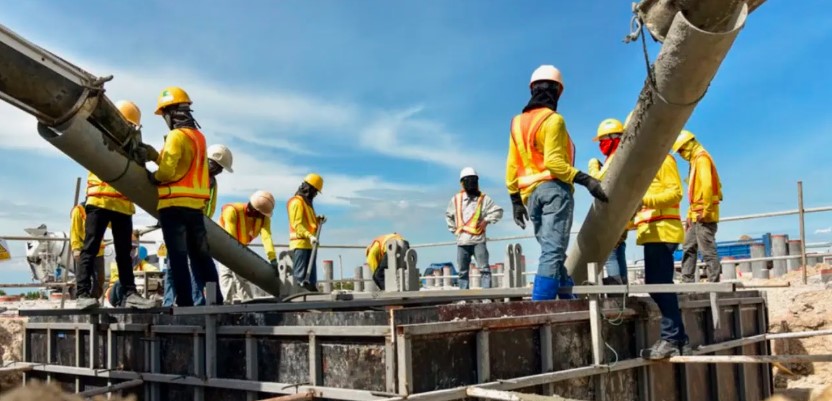
A solid structure begins with a reliable base, and in the world of construction, nothing is more critical than a well-built concrete foundation. Whether it’s a residential home, commercial building, or industrial facility, the foundation plays a vital role in ensuring stability, durability, and long-term performance. Understanding the importance, types, and benefits of a concrete foundation can help property owners and builders make informed decisions that stand the test of time.
What is a Concrete Foundation?
A concrete foundation is the base structure upon which a building is constructed. It transfers the weight of the entire structure to the ground, ensuring even distribution and preventing settling or shifting. Typically made from a mixture of cement, sand, gravel, and water, concrete foundations are known for their strength, resilience, and versatility.
Why is a Concrete Foundation Important?
The foundation is arguably the most crucial part of any building. A poorly constructed foundation can lead to structural problems, including cracks in walls, uneven floors, and even collapse in extreme cases. A strong concrete foundation offers several key benefits:
- Structural Stability: It supports the weight of the building and keeps it anchored securely.
- Moisture Resistance: Properly sealed concrete helps prevent water infiltration.
- Durability: Concrete foundations can last for decades with minimal maintenance.
- Energy Efficiency: Insulated foundations can improve a building’s thermal performance.
Types of Concrete Foundations
There are several types of concrete foundations used in construction, each suited for different soil conditions, climates, and building requirements.
1. Slab-on-Grade Foundation
This is one of the most common types, especially in warmer climates. A slab-on-grade foundation is a single layer of concrete poured directly onto the ground. It is cost-effective and quick to install but may not be suitable for areas with freezing temperatures.
2. Crawl Space Foundation
This type elevates the building slightly above the ground, creating a small space between the structure and the soil. It allows for easy access to plumbing and electrical systems while providing some protection against moisture.
3. Basement Foundation
A basement foundation involves deeper excavation and provides additional living or storage space. It is ideal for colder regions where the foundation must extend below the frost line.
4. Pier and Beam Foundation
This system uses concrete piers driven into the ground to support beams that hold up the structure. It is often used in areas with unstable soil or where elevation is necessary.
Key Factors in Building a Strong Concrete Foundation
To ensure the effectiveness of a concrete foundation, several critical factors must be considered during construction:
- Soil Testing: Understanding soil composition helps determine the appropriate foundation type.
- Proper Mixing: The right ratio of materials ensures maximum strength and durability.
- Reinforcement: Steel bars (rebar) are often used to enhance tensile strength.
- Curing Process: Allowing concrete to cure properly prevents cracks and weaknesses.
- Drainage Planning: Effective drainage systems prevent water accumulation around the foundation.
Common Problems and How to Avoid Them
Even with concrete’s strength, issues can arise if the foundation is not properly designed or maintained. Common problems include:
- Cracking: Often caused by shrinkage or soil movement.
- Settling: Uneven settling can lead to structural damage.
- Water Damage: Poor drainage can weaken the foundation over time.
Preventative measures such as regular inspections, proper waterproofing, and maintaining drainage systems can significantly extend the life of a concrete foundation.
Advantages of Choosing a Concrete Foundation
Concrete foundations remain the preferred choice for many builders due to their numerous advantages:
- Longevity: They can last over 50 years with proper care.
- Fire Resistance: Concrete is non-combustible, adding safety.
- Pest Resistance: Unlike wood, concrete is not susceptible to termites or rot.
- Versatility: Suitable for various building types and environments.
FAQs
1. How long does a concrete foundation last?
A properly constructed concrete foundation can last 50 to 100 years or more, depending on environmental conditions and maintenance.
2. What causes cracks in a concrete foundation?
Cracks can result from soil movement, temperature changes, improper curing, or excessive load stress.
3. Is a concrete foundation better than other types?
Concrete foundations are generally more durable and resistant to environmental factors compared to alternatives like wood or stone.
4. How can I maintain my concrete foundation?
Regular inspections, sealing cracks, ensuring proper drainage, and controlling moisture levels can help maintain its integrity.
5. Can a damaged concrete foundation be repaired?
Yes, many foundation issues can be repaired using techniques like crack injection, underpinning, or slab jacking.
Conclusion
A strong Driveway Paving is the cornerstone of any successful construction project. It not only supports the structural integrity of a building but also contributes to its longevity, safety, and efficiency. By understanding the different types of foundations, key construction practices, and maintenance strategies, property owners can ensure their investment remains secure for decades. Whether you are building a new structure or evaluating an existing one, prioritizing a high-quality concrete foundation is a decision that pays off in the long run.