
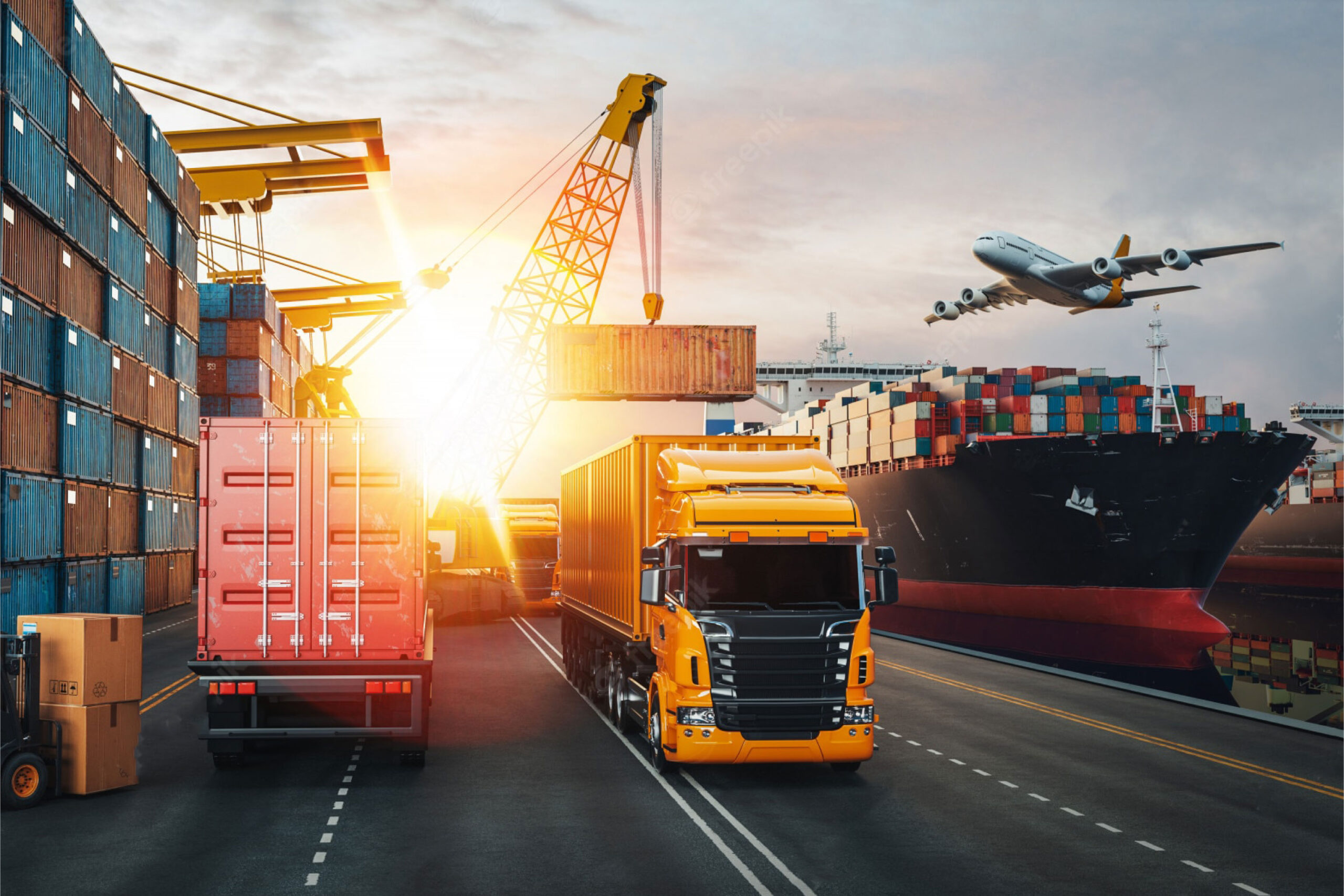
In an era where sustainability is no longer a “nice-to-have” but a necessity, logistics is undergoing a transformation. Green logistics isn’t just about reducing carbon footprints, it’s about gaining a strategic edge in a competitive, increasingly eco-conscious market. Companies that embrace sustainable freight practices aren’t only doing good for the planet they’re positioning themselves as forward-thinking leaders who care about efficiency, innovation, and long-term value.
What Is Green Logistics?
At its core, green logistics refers to supply chain and transportation practices that reduce environmental impact. This includes using fuel-efficient vehicles, optimizing delivery routes, shifting freight to lower-emission modes like rail, and integrating technology to monitor and minimize waste.
It’s about creating systems that are leaner, cleaner, and smarter. The focus is twofold: improving business operations while simultaneously reducing harm to the environment. For businesses that rely heavily on shipping and freight, implementing eco-friendly freight solutions is both a moral imperative and a business opportunity.
The Environmental Cost of Traditional Freight
For decades, freight has been powered by diesel engines, long-haul trucking, and sprawling supply chains, many of which are inefficient and carbon-intensive. Transportation accounts for nearly one-quarter of global CO₂ emissions, and freight contributes a significant share. Beyond emissions, traditional freight practices often result in excessive packaging waste, inefficient warehouse energy use, and underutilized truck space. Left unchecked, these inefficiencies not only hurt the environment but also inflate operational costs. The good news? Greener alternatives now exist that can help businesses shrink their carbon footprint without sacrificing performance.
Eco-Friendly Freight Strategies That Work
Green logistics isn’t a one-size-fits-all model—it’s a toolkit of solutions that can be adapted based on business size, location, and supply chain complexity. Route optimization software, for example, helps reduce fuel usage by cutting down on travel time and distance. Modal shift moving goods from trucks to trains or ships offers a lower-emission alternative for long-distance haulage.
Fleet electrification is also gaining traction. While electric trucks are still emerging, hybrid vehicles and cleaner fuel alternatives like biodiesel and LNG (liquefied natural gas) are increasingly viable. Some logistics companies, including ULS Freight, are investing in solar-powered warehouses or using AI to forecast demand more accurately and reduce unnecessary shipments.
Carbon offset programs, though not a direct emissions reducer, can complement green efforts by funding environmental initiatives like tree planting or renewable energy development.
The Business Benefits Beyond the Planet
While the environmental wins are clear, green logistics brings tangible business advantages too. One of the most immediate is cost savings. Efficient routes and reduced fuel consumption directly lower operating expenses. Energy-efficient warehouses cut utility bills. Over time, these changes compound into major financial wins.
There’s also the reputational benefit. Consumers and B2B clients alike are making decisions based on corporate sustainability. A strong green profile helps companies attract eco-conscious buyers and win contracts that require environmental compliance. In many sectors, it’s not just a preference it’s becoming a requirement.
Regulations are another driver. As governments crack down on emissions and waste, companies that are already ahead of the curve won’t be caught off guard. They’ll also benefit from incentives like tax breaks, subsidies, and preferential treatment in bidding processes.
Sustainability as a Sales Tool
In today’s market, green is a selling point. Businesses that demonstrate a commitment to sustainability don’t just look good they build trust. For logistics providers, promoting eco-conscious transportation strategies can be a major differentiator. For brands, partnering with green freight partners like ULS Freight can enhance their overall sustainability story. From product packaging to delivery methods, consumers are paying closer attention to the full lifecycle of their purchases. Offering carbon-neutral shipping, for instance, can be the tipping point that earns customer loyalty. For enterprise buyers, sustainability can make or break supplier decisions. Green logistics helps you stand out for all the right reasons.
Real-World Examples of Green Logistics Success
Many leading logistics firms have already paved the way. UPS, for instance, uses an advanced route optimization platform called ORION that saves millions of gallons of fuel annually. DHL is investing in electric delivery vans and sustainable aviation fuels. Maersk, one of the world’s largest shipping companies, has committed to net-zero emissions by 2040 and is exploring biofuel-powered vessels.
Closer to home, mid-sized businesses are reaping rewards by adopting green warehousing solutions, like LED lighting, energy monitoring systems, and recyclable packaging materials. These efforts don’t just cut emissions, they build credibility.
Challenges to Going Green—and How to Overcome Them
Adopting sustainable logistics practices isn’t without its hurdles. Costs can be a barrier, especially for small businesses. Infrastructure for electric vehicles, for example, is still developing. And shifting operational habits takes time and training. However, these challenges are increasingly surmountable.
Government incentives can ease the financial burden. Collaborating with third-party logistics providers like ULS Freight, who already operate sustainable fleets, can help bridge the gap. And scalable solutions like route optimization software can offer immediate benefits without large capital investment. The key is to start where you are. Even modest changes—like reducing idle time or consolidating shipments can begin the journey toward greener logistics.
How to Get Started with Greener Freight Today
So, how can your business make the leap? Begin with a logistics audit. Where are your emissions coming from? Where are the inefficiencies? Then, identify quick wins like improved route planning or sustainable packaging and set realistic goals for longer-term changes. Engage your supply chain partners.
Sustainability works best as a collaborative effort. Look for partners who share your green values and can offer eco-friendly freight solutions. Finally, don’t forget to measure and communicate your progress. Tracking your environmental impact helps you refine your approach and showcase your commitment to stakeholders.
Conclusion: Sustainable Logistics Is Smart Business
Green logistics is no longer a fringe concept it’s a forward-thinking strategy that combines environmental responsibility with commercial gain. From cost savings and regulatory preparedness to brand loyalty and market advantage, the benefits run deep. As climate concerns grow and customers demand transparency, businesses that invest in eco-friendly freight solutions will emerge not just as better corporate citizens, but as industry leaders with a true competitive edge.