
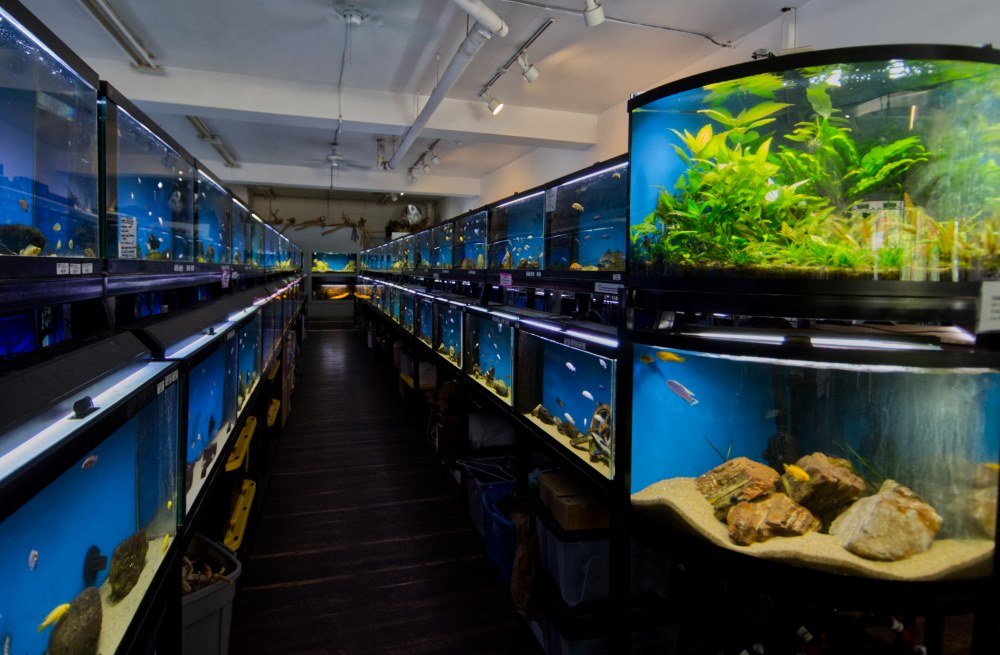
Maintaining a clear aquarium demands steady habits and careful observation. Algae appear in nearly every setup, yet uncontrolled growth turns glass green and water cloudy. Balanced care keeps fish comfortable and plants strong while reducing constant scrubbing. Many hobbyists buy dependable filters, lighting systems, and cleaning tools from a best saltwater fish store online to maintain consistent quality. Structured maintenance, controlled feeding, and regular water changes combine to create an environment where algae stay manageable instead of overwhelming the tank.
Algae In Fish Tanks
Algae consist of simple aquatic organisms that use light and nutrients to grow quickly. Small patches often look harmless, yet rapid spread covers decor and blocks oxygen exchange. Green film algae coat glass, brown algae settle on substrate, and string algae form hair-like clumps around plants. Each type reacts to similar triggers such as excess light and nutrient buildup. Knowing what type appears in your aquarium helps determine whether lighting, feeding, or filtration needs adjustment for better balance.
Common Causes Of Algae Overgrowth
Excess nutrients act as the main fuel source for algae colonies. Uneaten food decays and releases ammonia that eventually becomes nitrate. Long lighting hours supply energy that accelerates reproduction. Dirty filters reduce circulation, creating stagnant areas where waste collects. Tanks placed near windows receive extra sunlight that intensifies growth. Overcrowded fish populations generate more waste than the system can process. Addressing these root causes leads to steady improvements rather than temporary cleaning results.
Step-By-Step Algae Management Strategies
Effective control relies on consistent daily and weekly practices. Follow these key actions:
- Limit lighting to 6–8 hours using a timer
- Replace 15–20% of water every week
- Feed only small portions fish finish quickly
- Add fast-growing live plants
- Introduce algae-eating fish or snails
- Clean glass and decorations regularly
- Test nitrate and phosphate levels
Control Lighting For Stable Growth
Lighting remains one of the strongest influences on algae behavior. Bright light over long periods allows algae to multiply faster than plants can compete. Moderate intensity supports fish health without encouraging blooms. Timers provide dependable schedules that prevent accidental overexposure. LED fixtures offer adjustable brightness and produce less heat, which helps stabilize water temperature. Consistent lighting cycles reduce stress for aquatic life while limiting the conditions that algae need to dominate surfaces.
Maintain Clean Water With Routine Changes
Fresh water dilutes waste and restores chemical balance inside the aquarium. Weekly partial changes remove dissolved nutrients that filters cannot capture alone. Gravel vacuuming extracts trapped debris that settles between stones and becomes algae food. Conditioned replacement water protects beneficial bacteria and keeps parameters steady. Clean water looks clear, smells neutral, and supports active fish behavior. Regular changes form the backbone of algae prevention because they directly reduce the compounds that fuel growth.
Feed Fish Carefully And Avoid Waste
Responsible feeding habits significantly affect algae levels. Large meals often leave leftovers that break down and pollute the water. Small portions given once or twice daily meet nutritional needs without excess waste. Observing fish during feeding helps determine the right quantity. Removing uneaten food within minutes prevents decay. Balanced feeding reduces ammonia spikes and keeps filtration systems from overworking. Cleaner water naturally limits algae reproduction and keeps the tank healthier overall.
Add Live Plants For Natural Balance
Live plants compete with algae by consuming the same nutrients. Fast-growing species absorb nitrate and phosphate efficiently, which leaves fewer resources for unwanted growth. Floating plants also provide shade that reduces light penetration. Root systems stabilize the substrate and create a healthier biological environment. Regular trimming keeps plants active and prevents overcrowding. Natural competition offers a safe and long-lasting way to manage algae without relying heavily on chemical treatments.
Choose The Right Equipment And Tools
Reliable equipment supports easier maintenance and better results. Strong filtration systems improve circulation and trap debris that would otherwise feed algae. Magnetic scrapers remove buildup quickly without disturbing fish. Phosphate-removing media reduce nutrient levels inside the filter. Quality test kits provide accurate readings that guide adjustments. Durable tools last longer and protect tank surfaces from scratches. Proper gear saves time and helps maintain a professional standard of care.
Clean Tank Surfaces And Decorations
Regular surface cleaning keeps algae from spreading across the aquarium. Soft scrapers lift films from glass without damaging it. Brushes reach corners and textured ornaments where buildup hides. Rinsing decorations during water changes removes stubborn patches safely. Rotating decor exposes hidden areas to cleaning and prevents persistent growth. Consistent removal reduces the chance of algae forming thick layers that become difficult to manage. Simple weekly attention keeps the tank looking neat and attractive.
Monitor Water Parameters Consistently
Testing water chemistry provides valuable insight into tank conditions. High nitrate or phosphate readings signal nutrient overload that encourages algae blooms. Stable pH and temperature support fish immunity and reduce stress. Recording results weekly helps identify trends and catch problems early. Prompt corrections prevent major outbreaks that require intensive cleaning. Monitoring creates a proactive approach rather than reacting after algae take hold. Accurate data guides smarter decisions for long-term success.
Recognize Early Warning Signs Of Algae Issues
Visual clues often appear before algae become overwhelming. Slight green haze, slippery glass, or brown dust on substrate indicate rising nutrients. Slower fish movement or reduced plant growth may accompany these signs. Quick response through cleaning and water changes prevents escalation. Ignoring early symptoms allows colonies to multiply rapidly and cover surfaces. Close observation keeps the aquarium stable and minimizes drastic corrective measures that might disrupt the ecosystem.
Build A Consistent Maintenance Routine
Structured schedules keep aquarium care simple and predictable. Weekly tasks such as wiping glass, vacuuming gravel, and changing water maintain clarity. Monthly checks of filters and equipment ensure steady performance. Organized routines prevent missed steps that lead to algae growth. Regular attention reduces stress for fish and owners alike. Steady maintenance transforms algae control into a manageable habit rather than an overwhelming chore that demands heavy cleaning sessions.
Conclusion:
Managing algae requires discipline, smart planning, and steady effort. Balanced lighting, controlled feeding, and routine water changes remove the conditions that algae need to spread. Live plants, proper tools, and reliable equipment support natural stability. Early observation and quick action prevent small issues from becoming large problems. Consistent care protects fish health and keeps water crystal clear. A well-maintained aquarium rewards your time with vibrant fish, clean glass, and an attractive aquatic display.
FAQs
1. How often should I change water to reduce algae?
Replace 15–20 percent weekly to dilute nutrients effectively.
2. Do algae-eating fish solve algae problems completely?
They assist with control but still require proper maintenance.
3. Can too much light cause green water?
Yes, extended lighting encourages fast algae reproduction.
4. Are chemical treatments necessary for algae control?
Most tanks improve with cleaning, plants, and nutrient balance first.
5. What is the best long-term algae prevention method?
Consistent maintenance, stable water quality, and balanced lighting provide lasting results.