
Fire is one of those things nobody plans for, but everybody regrets ignoring. Especially when you’re building or renovating in places where heat, storms, and long dry spells are part of normal life. That’s where Fire Resistant Lumber comes into the conversation. Not the flashy marketing version. The real, practical stuff builders and homeowners actually use.
This isn’t a hype piece. It’s a straight talk guide about what fire resistant lumber is, where it makes sense, where it doesn’t, and how it fits into the bigger picture of building supplies Houston builders rely on every day.
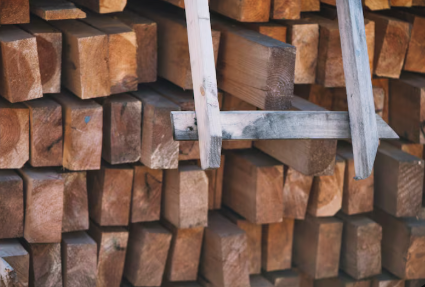
What Fire Resistant Lumber Really Means (No Sugarcoating)
Let’s clear something up right away. Fire resistant lumber is not fireproof. Nothing made of wood is. If someone tells you otherwise, walk away.
Fire resistant lumber is wood that’s been treated or engineered to slow down ignition, reduce flame spread, and give people more time. More time to react. More time for firefighters. More time before a small fire turns into a total loss.
That delay matters. A lot.
Most fire resistant lumber is pressure-treated with fire-retardant chemicals. These treatments change how the wood reacts to heat. Instead of catching fast and burning hot, it chars slowly. Sometimes it self-extinguishes once the flame source is gone.
Not magic. Just smart chemistry and proper treatment.
Why Fire Resistance Is Becoming a Bigger Deal in Construction
If you’ve been paying attention, fire codes are tightening. Insurance companies are asking more questions. And homeowners? They’re not ignoring risk anymore.
In places like Texas, especially around Houston, you’ve got a mix of:
- High heat
- Dense neighborhoods
- Wood-heavy construction
- Outdoor living spaces everywhere
Decks. Pergolas. Fences. Sheds. All potential ignition points.
That’s why fire resistant lumber is showing up more often in building supplies Houston projects, both residential and commercial. It’s not just for wildland areas anymore.
It’s about lowering risk where people actually live.
Common Uses for Fire Resistant Lumber (Where It Makes Sense)
Fire resistant lumber isn’t something you throw into every project blindly. It’s best used strategically.
Here’s where it really earns its keep:
Exterior Structures
Deck framing, stair stringers, rail supports, pergolas. These are exposed to heat, grills, fire pits, and random sparks. Using fire resistant lumber here adds a layer of protection without changing the look.
Multi-Family Construction
Apartments, townhomes, condos. Anywhere units are close together. Fire spread between structures is a serious concern, and treated lumber can slow that chain reaction.
Commercial Builds
Restaurants, retail, warehouses. Fire ratings matter more here, and inspectors notice the difference when fire retardant materials are used correctly.
Interior Framing (Selective Use)
In some builds, fire resistant lumber is used behind walls, especially in stairwells, corridors, or high-risk areas. Not always required, but sometimes smart.
What Fire Resistant Lumber Does NOT Do
Let’s be blunt for a second.
Fire resistant lumber will not:
- Stop a fire completely
- Replace sprinklers or alarms
- Make a bad design suddenly safe
- Let you ignore code requirements
It’s a layer, not a solution by itself.
Think of it like a seatbelt. You still need brakes, airbags, and common sense.
Treated vs Naturally Fire-Resistant Wood
Some people ask, “Why not just use hardwoods or dense wood species?”
Good question.
Yes, some woods burn slower than others. Dense hardwoods can resist ignition longer than softwoods. But they still burn. And they don’t meet fire-rating standards unless treated.
Fire resistant lumber, on the other hand, is tested. Rated. Documented. That matters when inspections, insurance, or permits come into play.
Especially when sourcing building supplies Houston contractors can trust to meet local expectations.
Does Fire Resistant Lumber Look Different?
Short answer: not really.
Most fire retardant treated lumber looks like regular wood. Maybe a slight color change. Sometimes a faint stamp or tag showing the treatment rating.
Once it’s installed and finished, nobody can tell. No weird texture. No industrial look. No compromise on design.
That’s one reason builders like it. Safety without killing the aesthetic.
Cost: The Part Everyone Asks About
Yes, fire resistant lumber costs more than untreated lumber. No surprise there.
But the gap isn’t as wild as people think.
When you compare:
- The cost difference per board
- The added safety margin
- Potential insurance benefits
- Reduced liability
It often pencils out, especially for exterior or multi-unit projects.
And when you’re already buying quality building supplies Houston professionals expect, upgrading a portion of the lumber package usually doesn’t break the budget.
Installation and Handling (Keep This in Mind)
Fire resistant lumber isn’t difficult to work with, but there are a few rules.
- Cut ends should be sealed if required by the manufacturer
- Fasteners should be compatible with treated wood
- Follow spacing and ventilation guidelines
- Don’t assume all treatments are the same
Skipping these steps defeats the purpose. Plain and simple.
If you’re sourcing from a supplier that knows their materials, they’ll tell you what you need. That’s important.
Why Your Lumber Supplier Matters More Than You Think
Not all lumber yards handle fire resistant lumber the same way. Some stock it regularly. Others special-order it and barely understand the specs.
When you’re dealing with fire-rated materials, details matter:
- Treatment type
- Intended use
- Code compliance
- Storage and handling
A reliable supplier isn’t just selling boards. They’re helping you avoid mistakes that show up later during inspections or, worse, emergencies.
That’s why many builders stick with established names when buying building supplies Houston projects depend on.
Fire Safety Is a System, Not a Product
Here’s the big takeaway.
Fire resistant lumber works best when it’s part of a bigger plan:
- Smart design
- Code compliance
- Proper spacing
- Quality materials across the board
It’s not about fear. It’s about preparation.
If you can slow a fire by minutes, sometimes seconds, you give people a chance. And that’s the whole point.
FAQs About Fire Resistant Lumber
1. Is fire resistant lumber required by building code?
Sometimes. It depends on the project type, location, and use. Multi-family and commercial builds are more likely to require it than single-family homes.
2. Can fire resistant lumber be used outdoors?
Yes, as long as it’s rated for exterior use. Always check the treatment type and manufacturer guidelines.
3. Does fire resistant lumber need special maintenance?
Not really. Treat it like other pressure-treated wood. Just follow sealing and finishing recommendations if applicable.4. Is fire resistant lumber available locally in Houston?
Yes. Many suppliers of building supplies Houston builders rely on carry or can source it quickly.