
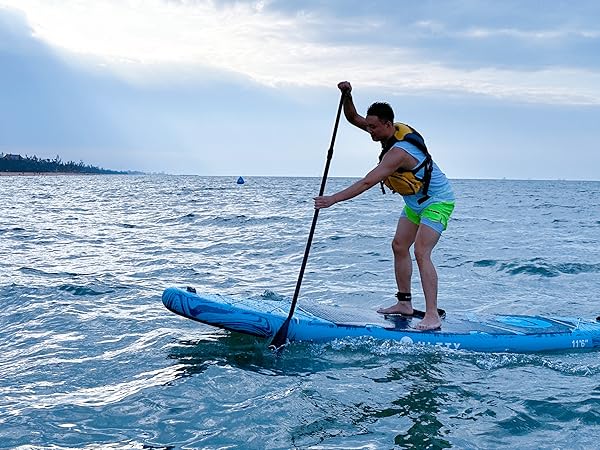
Group paddleboarding has become a popular choice for people who enjoy shared outdoor activities. A multi-person paddleboard allows two or more riders to paddle together on one board. It creates a different experience compared to solo paddleboarding. Balance depends on teamwork, not just individual skill. Small movements affect everyone on board, making coordination important. This setup works well for families, friends, and fitness groups. It also suits beginners who prefer extra stability and support. With the right approach, multi-person paddleboarding stays enjoyable and controlled.
Understanding board design, required gear, and safety habits helps groups avoid common mistakes and paddle with confidence.
What Is Multi-Person Paddle Boarding?
A multi-person paddleboard is built for higher weight capacity and shared movement. It is longer and wider than standard boards. The extra width improves balance when riders shift positions. Many boards include multiple traction pads and side handles. These features help riders mount, dismount, and stabilize themselves. Some models support two riders, while others carry four or more. These boards work best on calm lakes, slow rivers, or sheltered coastal areas.
Benefits of Using a Multi-Person Paddle Board
A multi-person paddleboard encourages communication and teamwork. Riders must paddle in rhythm to move efficiently. Groups share physical effort, which reduces strain on individuals. Families enjoy staying together instead of separating across boards. Friends often find the experience more engaging and social. Fitness groups use these boards to improve balance and coordination. The shared setup builds trust and keeps everyone involved throughout the session.
Essential Gear for Group Paddle Boarding
This section focuses on equipment that supports safety and comfort.
Board and Paddles
Choose a board rated for the group’s combined weight. Adjustable paddles help riders of different heights. Strong fins improve tracking and control.
Safety Equipment
Every rider should wear a life jacket. Leashes help prevent the board from drifting away. A waterproof phone case allows emergency communication.
Comfort and Support Items
Bring enough water for each rider. Sun protection helps during longer outings. Dry bags keep personal items protected.
Safety Practices for Group Paddling
Check weather conditions before launching. Calm water works best for beginners. Assign one person to lead direction and timing. Start paddling from a kneeling position. Stand only when everyone feels stable. Avoid crowded boating areas. Stay close to shore during early practice sessions.
Coordination and Paddling Techniques
The front rider sets the pace. Others match stroke timing. Short, controlled strokes improve balance. Verbal cues help during turns. If one rider loses balance, everyone pauses. Clear communication prevents sudden weight shifts. Practice improves coordination over time.
Conclusion
Multi-person paddleboarding relies on preparation, teamwork, and awareness. A multi-person paddle board works best when riders understand their roles and respect shared balance. The right gear improves comfort and control. Clear safety habits reduce unnecessary risks. Beginners should start in calm conditions and practice basic coordination first. Groups that communicate well paddle more smoothly and enjoy longer sessions.
With proper planning and shared effort, this activity stays safe, engaging, and rewarding for everyone involved.