
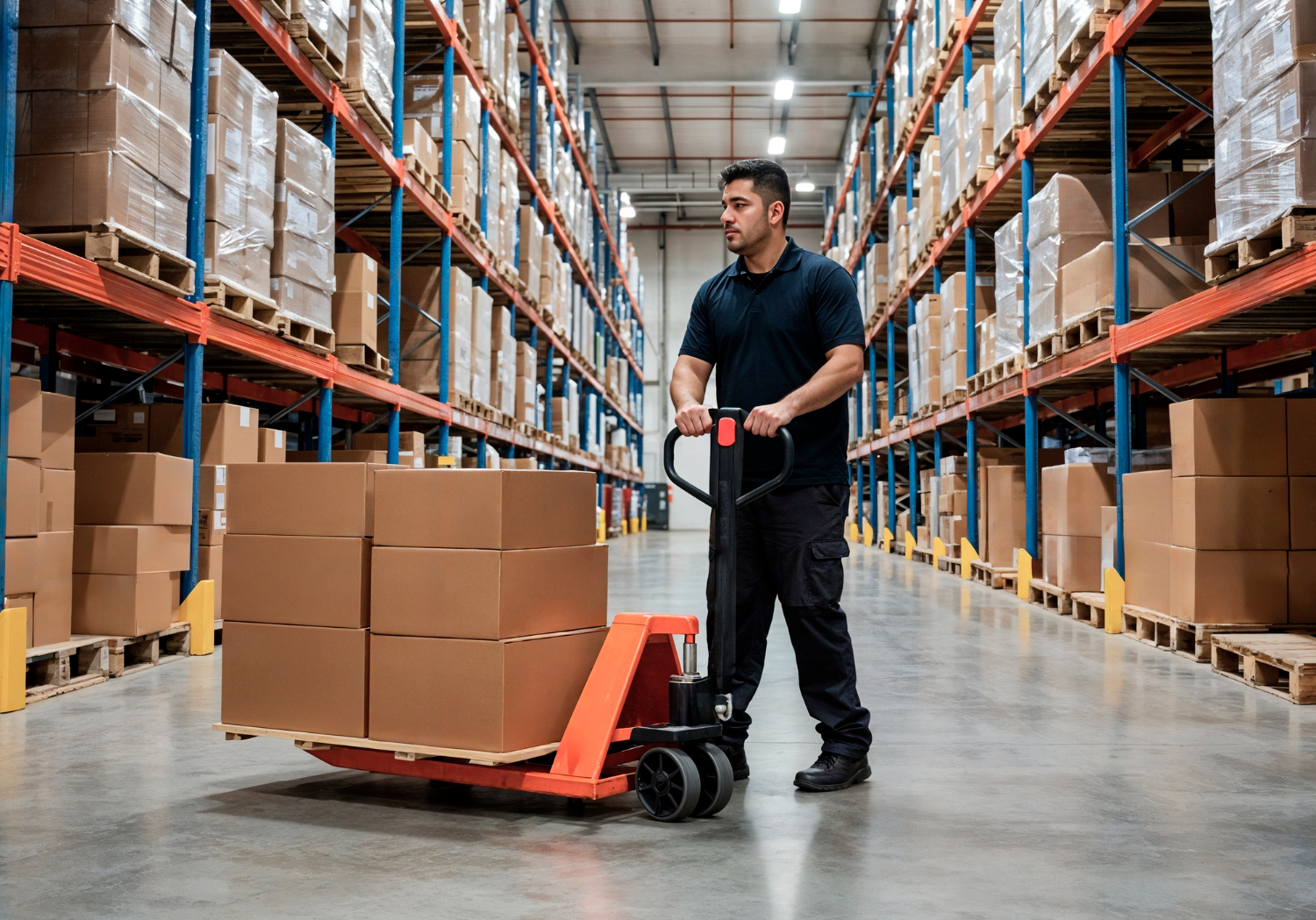
In modern logistics and supply chain operations, pallets play a crucial role in storing, handling, and transporting goods. Despite their everyday use, pallet load capacity is often misunderstood or underestimated, leading to safety risks, damaged inventory, and costly operational inefficiencies. Understanding how weight limits and safety ratings work is essential for warehouse managers, safety officers, and business owners alike.
What Is Pallet Load Capacity?
Pallet load capacity refers to the maximum weight a pallet can safely support under specific conditions. These limits are determined through testing and engineering standards and are critical for preventing pallet failure during storage or transportation.
Load capacity is not a single universal number. Instead, it varies depending on how the pallet is used, the materials it is made from, and the environment in which it operates. Ignoring these limits can result in collapsed loads, workplace injuries, and damage to racking systems or forklifts.
Types of Pallet Load Ratings
Understanding pallet load capacity begins with knowing the three primary types of load ratings:
1. Static Load Capacity
Static load refers to the maximum weight a pallet can hold when it is stationary and placed on a solid, flat surface. This rating is typically the highest because the load is evenly distributed and not subjected to movement or vibration.
2. Dynamic Load Capacity
Dynamic load capacity measures how much weight a pallet can safely carry while being moved, such as when lifted by a forklift or pallet jack. Because movement introduces stress and potential imbalance, this rating is usually lower than the static load rating.
3. Racking Load Capacity
Racking load capacity applies when a pallet is stored in warehouse racking systems, where it is supported only at certain points. This is often the lowest load rating and one of the most critical to follow, as exceeding it can cause pallet deflection or collapse within the rack.
Factors That Affect Pallet Weight Limits
Several variables influence how much weight a pallet can safely handle. Understanding these factors helps warehouses choose the right pallet for specific applications.
Material Composition
Pallets are commonly made from wood, plastic, or metal. Wooden pallets vary in strength depending on wood type and construction. Plastic pallets offer consistent load ratings and are resistant to moisture, while metal pallets provide the highest load capacity but are typically used in specialized industries.
Pallet Design and Construction
The number of deck boards, thickness of materials, stringer or block design, and overall dimensions all affect load capacity. Reinforced pallets are designed to handle heavier loads and perform better in racking systems.
Load Distribution
Evenly distributed loads allow pallets to perform closer to their rated capacity. Concentrated or uneven loads significantly reduce safe weight limits and increase the risk of structural failure.
Environmental Conditions
Moisture, temperature extremes, and chemical exposure can weaken pallet materials over time. For example, wooden pallets may lose strength in humid environments, while extreme cold can affect certain plastics.
Why Safety Ratings Matter in Warehouses?
Safety ratings are not just technical specifications—they are essential guidelines for protecting workers, inventory, and infrastructure. Exceeding load limits can lead to:
- Collapsed pallet stacks
- Forklift accidents
- Damaged racking systems
- Product loss
- Regulatory violations and liability issues
Using pallets within their rated capacities reduces workplace injuries and ensures compliance with occupational safety standards.
Best Practices for Managing Pallet Load Capacity
Conduct Regular Inspections
Inspect pallets for cracks, broken boards, warping, or other signs of damage. Even a pallet rated for heavy loads can fail if it is structurally compromised.
Match Pallets to Applications
Choose pallets based on how they will be used—static storage, dynamic handling, or racking. A Warehouse Pallet selected for floor storage may not be suitable for high-bay racking.
Train Warehouse Staff
Ensure employees understand load limits, proper stacking techniques, and safe handling procedures. Training reduces misuse and extends pallet lifespan.
Follow Manufacturer Guidelines
Always rely on manufacturer-provided load ratings rather than assumptions or past experience. When ratings are unavailable, consider load testing or consulting a pallet specialist.
Compliance With Industry Standards
Pallet load capacities are often tested according to standards set by organizations such as ISO, ASTM, or regional safety authorities. Compliance with these standards ensures pallets meet minimum safety and performance requirements.
Warehouses operating internationally should also consider variations in regional regulations and ensure their pallet systems align with local compliance rules.
The Role of Technology in Pallet Safety
Advancements in pallet design and testing have improved load accuracy and safety. Computer modeling, automated testing, and smart sensors now allow manufacturers to provide more precise load ratings. Some warehouses also use tracking systems to monitor pallet usage, reducing the risk of overloading or reuse beyond safe limits.
Integrating these technologies into warehouse operations enhances efficiency while maintaining high safety standards.
Choosing the Right Pallet for Long-Term Efficiency
Selecting pallets based solely on cost can lead to higher expenses over time due to breakage, injuries, or product loss. Investing in pallets with appropriate load ratings ensures durability, reduces downtime, and improves overall workflow efficiency.
A well-chosen Warehouse Pallet supports not only weight but also the operational demands of modern logistics, from automation compatibility to sustainability goals.
Conclusion
Understanding pallet load capacity is fundamental to safe and efficient warehouse operations. By recognizing different load ratings, considering material and environmental factors, and following best practices, businesses can significantly reduce risks while improving productivity. Choosing reliable pallet solutions from trusted providers—such as Kole Pallet—ensures that safety ratings, durability, and performance align with the demands of today’s warehouses.