
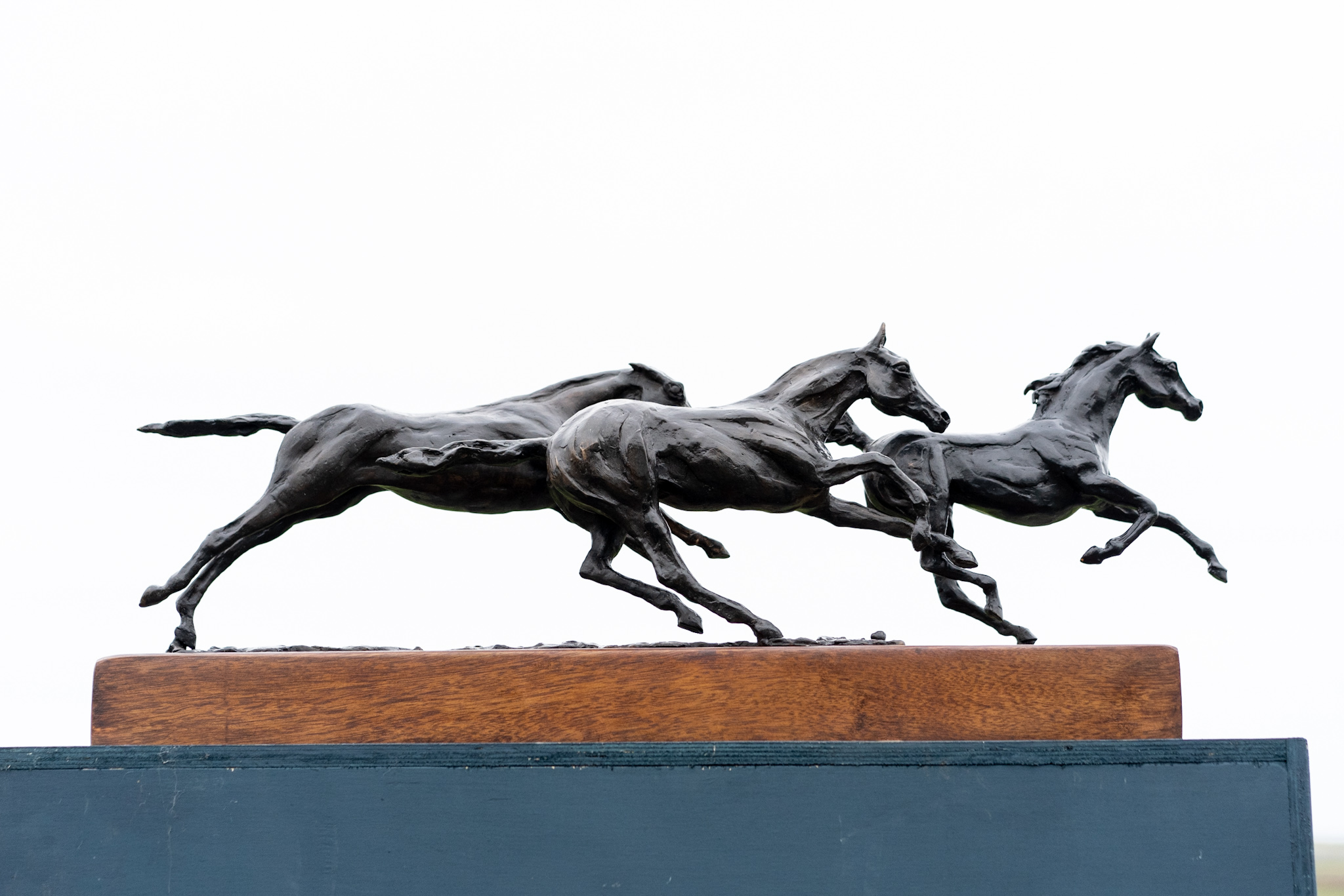
Bronze horse sculptures are timeless pieces that bring elegance and character to any space. Whether displayed indoors or outdoors, proper care is essential to keep them looking their best for generations. This guide provides simple steps to clean, protect, and maintain your bronze artwork.
Understanding Your Bronze Sculpture
Before starting any maintenance routine, it is important to understand the material of your sculpture. Bronze is an alloy of copper and tin, sometimes combined with other metals. This gives it durability but also makes it sensitive to moisture, pollution, and temperature changes. Bronze can develop a natural patina over time, adding character, but improper care may lead to unwanted corrosion.
Regular Cleaning
To keep your sculpture in pristine condition, regular cleaning is necessary. Follow these steps to clean your bronze horse sculptures safely:
- Dust the sculpture monthly with a soft, dry cloth to remove surface debris.
- For deeper cleaning, use mild soap and warm water.
- Avoid harsh chemicals, as they can damage the metal.
- After washing, dry completely with a soft cloth to prevent water spots or oxidation.
By following these simple cleaning steps, you can prevent damage and keep your sculpture looking fresh.
Protective Coatings
Applying a protective coating can greatly extend the life of your sculpture. Here’s how to protect it:
- Use a thin layer of wax specifically designed for bronze.
- Apply with a soft cloth and buff gently for an even finish.
- Reapply every six months, depending on environmental exposure.
Regularly applying protective coatings helps resist moisture and pollution while preserving the natural patina of your sculpture.
Placement and Environmental Considerations
Where you display your bronze horse sculpture affects its longevity. Keep these points in mind:
- Avoid direct sunlight, heavy rainfall, or high humidity for outdoor sculptures.
- Indoors, keep the sculpture away from heating vents and direct sunlight that may cause discoloration or cracking.
- Place the sculpture on a stable surface to prevent tipping or scratches.
Choosing the right location protects your artwork from unnecessary wear and tear.
Handling and Transport
Proper handling ensures your sculpture remains undamaged:
- Use clean gloves to prevent oils from your skin from staining the metal.
- Lift from the base rather than the delicate parts when moving the sculpture.
Careful handling reduces the risk of scratches, dents, or other damage during transport or repositioning.
Repair and Professional Care
Even with proper care, minor scratches or signs of wear may appear over time. Consulting a professional conservator ensures repairs are done correctly without compromising the sculpture’s integrity. They can also advise on refinishing or reapplying protective coatings when needed.
Preserving Your Investment
Maintaining your sculpture is not just about appearance; it preserves its value and legacy. Regular cleaning, careful handling, proper placement, and occasional professional care ensure it continues to impress and inspire. Over time, the patina will deepen naturally, highlighting the craftsmanship involved.
Conclusion
By following these guidelines, your sculpture can remain beautiful for generations. Proper cleaning, protection, and handling today guarantee that it will continue to delight and serve as a cherished family heirloom in the future.