
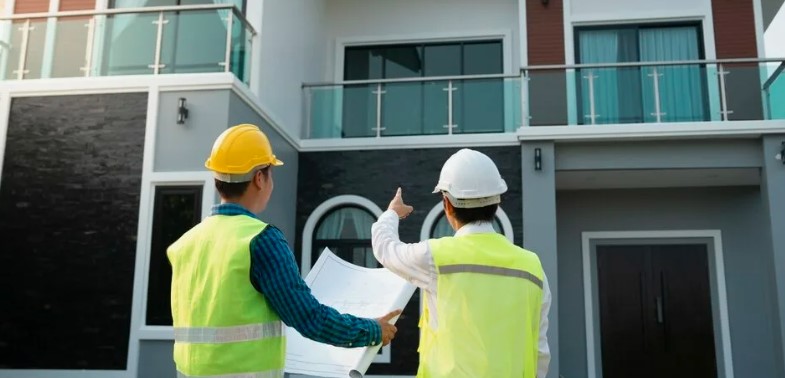
When it comes to buying, selling, or maintaining a property, one professional plays a critical role in ensuring everything is safe, functional, and up to standard—the building inspector. Whether you’re a homeowner, investor, or developer, understanding the importance of a building inspector can save you from costly mistakes and future headaches.
What Does a Building Inspector Do?
A building inspector is a trained professional responsible for assessing the condition of a property. Their primary job is to ensure that structures comply with local building codes, safety regulations, and industry standards. They examine various aspects of a building, including structural integrity, electrical systems, plumbing, roofing, and more.
Inspectors typically provide a detailed report outlining any defects, safety hazards, or areas requiring repairs. This report becomes a valuable tool for buyers negotiating a deal or for owners planning maintenance.
Why You Need a Building Inspector
Hiring a building inspector is not just a formality—it’s a crucial step in protecting your investment. Here’s why:
1. Identifying Hidden Issues
Many property problems are not visible to the untrained eye. Issues like foundation cracks, faulty wiring, or water damage can go unnoticed but may lead to serious consequences. A building inspector uses their expertise to uncover these hidden defects.
2. Ensuring Safety Compliance
Safety is a top priority in any building. Inspectors ensure that the property meets safety standards, reducing risks such as fire hazards, structural collapse, or electrical failures.
3. Saving Money in the Long Run
While hiring a building inspector involves an upfront cost, it can save thousands by identifying problems early. Fixing minor issues now is far cheaper than dealing with major repairs later.
4. Strengthening Negotiation Power
If you’re buying a property, an inspection report can be used to negotiate a better price or request repairs before finalizing the deal.
When Should You Hire a Building Inspector?
There are several situations where hiring a building inspector is highly recommended:
- Before purchasing a property: To ensure you’re making a sound investment
- Before selling a property: To address issues that might deter buyers
- During construction: To ensure compliance with building codes
- For routine maintenance: To keep your property in good condition
What to Expect During an Inspection
A typical building inspection involves a thorough evaluation of both the interior and exterior of the property. The inspector will check:
- Structural components (foundation, walls, roof)
- Electrical systems
- Plumbing systems
- HVAC (heating, ventilation, and air conditioning)
- Doors, windows, and insulation
After the inspection, you will receive a comprehensive report detailing findings, including photographs and recommendations.
Choosing the Right Building Inspector
Not all inspectors offer the same level of expertise, so it’s important to choose wisely. Here are some tips:
- Check credentials and certifications
- Look for experience in similar property types
- Read reviews or ask for references
- Ensure they provide detailed reports
A qualified building inspector should be transparent, professional, and thorough in their work.
Common Issues Found by Building Inspectors
Building inspectors often encounter recurring problems across different properties, such as:
- Poor drainage and water damage
- Roofing issues or leaks
- Faulty electrical wiring
- Plumbing leaks or outdated systems
- Structural cracks or foundation problems
Identifying these issues early can help prevent more serious damage and ensure long-term property value.
The Role of Building Inspectors in Real Estate
In the real estate market, building inspectors act as neutral third parties who provide unbiased evaluations. Their assessments help buyers make informed decisions and give sellers a clearer understanding of their property’s condition.
For real estate agents, working with reliable building inspectors enhances credibility and builds trust with clients.
FAQs About Building Inspectors
1. How long does a building inspection take?
A typical inspection can take anywhere from 2 to 4 hours, depending on the size and condition of the property.
2. Is a building inspection mandatory?
While not always legally required, it is strongly recommended for property transactions to avoid unforeseen issues.
3. What is the cost of hiring a building inspector?
Costs vary based on location and property size, but it is generally a small investment compared to potential repair expenses.
4. Can a building inspector fix issues they find?
No, inspectors only assess and report problems. You will need to hire contractors for repairs.
5. Do new homes need building inspections?
Yes, even newly constructed homes can have defects or code violations that require attention.
Conclusion
A Electrical System Inspection Service is an essential partner in any property-related decision. From uncovering hidden issues to ensuring compliance with safety standards, their expertise provides peace of mind and financial protection. Whether you’re buying, selling, or maintaining a property, investing in a professional building inspection is a smart and necessary step. In the long run, it not only safeguards your investment but also ensures the safety and durability of your property.