
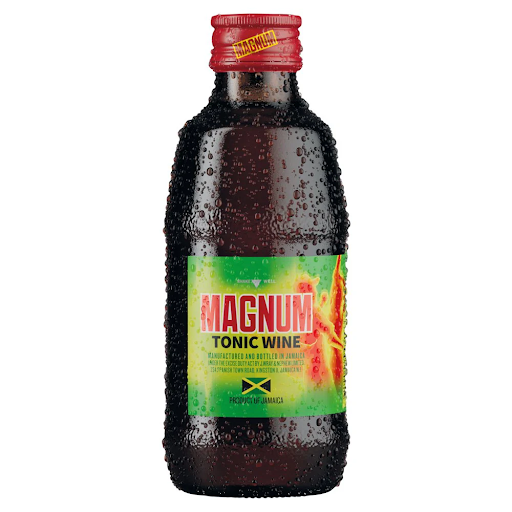
This beverage has gained widespread attention across various markets, becoming a recognisable product with a distinct identity. Known for its bold flavour and energising qualities, magnum tonic wine is often discussed in both cultural and consumer contexts. Its growing popularity raises important questions about what it contains, how it is used, and why it continues to attract a diverse audience today.
What Is Magnum Tonic Wine
Magnum tonic wine is a fortified wine-based beverage that combines alcohol with added ingredients designed to provide an energy-boosting effect. It is typically infused with caffeine and other compounds that contribute to its stimulating properties. Unlike traditional wines that focus primarily on flavour and aroma, magnum tonic wine is marketed as both a drink and a functional beverage.
The drink is often recognised by its deep red colour and sweet, slightly medicinal taste. Its formulation sets it apart from standard wines, as it is positioned closer to tonic or energy beverages while still maintaining an alcoholic base. This hybrid identity has played a key role in its market appeal.
Key Ingredients and Composition
The composition of magnum tonic wine is central to understanding its effects and popularity. It usually contains red wine, sugar, caffeine, and flavouring agents. One of the most talked-about ingredients is caffeine, which contributes to the drink’s stimulating nature. In some formulations, additional compounds may be included to enhance flavour or perceived energy benefits.
The alcohol content in magnum tonic wine is generally higher than that of standard table wines, making it a stronger beverage. This combination of alcohol and stimulants creates a unique profile that appeals to consumers seeking both relaxation and alertness.
Historical Background and Cultural Influence
Magnum tonic wine has roots in Caribbean culture, where it became popular as a social and recreational drink. Over time, it developed a strong cultural identity, often associated with music, nightlife, and community gatherings. Its branding and marketing have further reinforced this image, making it a symbol of energy and vibrancy.
The drink’s expansion into international markets has been supported by its cultural associations. Events, festivals, and media exposure have all contributed to its recognition beyond its place of origin. Today, magnum tonic wine is not just a beverage but also a cultural product that reflects a specific lifestyle and social experience.
Why Magnum Tonic Wine Is So Popular Today
Several factors explain the continued popularity of magnum tonic wine in modern markets. One major reason is its unique combination of alcohol and energy-enhancing ingredients, which differentiates it from other beverages. Consumers looking for something beyond traditional wine or standard energy drinks often find this blend appealing.
Another factor is its strong branding and marketing strategy. The drink is often positioned as bold, energetic, and distinctive, which resonates with younger audiences and nightlife culture. Its eye-catching packaging and consistent messaging have helped it maintain a recognisable identity.
Health Considerations and Responsible Consumption
While magnum tonic wine is popular, it is important to consider its health implications. The combination of alcohol and caffeine can have complex effects on the body. Caffeine may mask the depressant effects of alcohol, potentially leading individuals to consume more than intended.
Moderation is essential when consuming magnum tonic wine. Understanding its ingredients and their impact can help consumers make informed choices. Public health discussions often emphasise the importance of awareness when consuming beverages that combine stimulants and alcohol.
Modern Trends and Market Position
In today’s competitive beverage market, magnum tonic wine occupies a unique niche. It appeals to consumers seeking novelty and functionality in their drinks. As trends shift toward innovative and hybrid beverages, its position remains strong.
Manufacturers continue to evolve their marketing strategies to align with changing consumer preferences. Social media, influencer promotion, and event sponsorships have all contributed to maintaining its relevance. This adaptability ensures that magnum tonic wine continues to attract new audiences while retaining its existing base.
Conclusion
Magnum tonic wine stands out as a distinctive beverage that blends tradition, innovation, and cultural significance. Its unique formulation, strong branding, and widespread availability have all contributed to its enduring popularity. As preferences continue to evolve, it remains an important example of how drinks can bridge the gap between functionality and enjoyment, much like the growing interest in diverse options such as Rv drinks.