
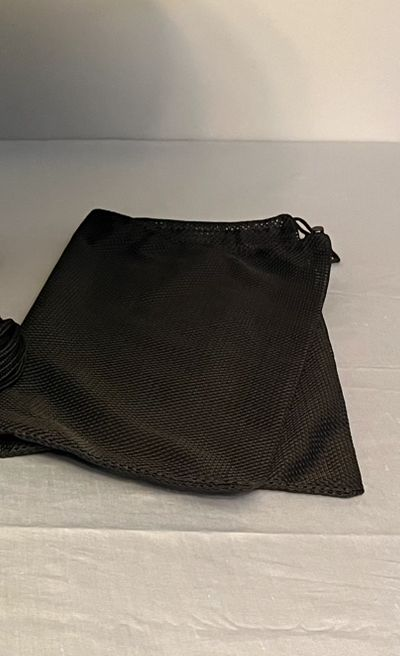
A water pump filter bag is a protective mesh or fabric bag that fits over or around a water pump’s intake to trap debris, sediment, and particulate matter before they enter the pump. By capturing solids such as leaves, twigs, sand, and organic material, the filter bag reduces clogging, minimizes wear, and extends the pump’s operational life. These water pump filter bags are especially common in ponds, construction dewatering, irrigation systems, and industrial water handling.
Why You Need a Filter Bag for Your Pump?
Water pumps, particularly submersible and utility pumps used in outdoor and rugged environments, are vulnerable to debris ingestion. Unfiltered water can cause impeller blockage, reduced flow efficiency, overheating, increased maintenance costs, and early failure. Installing a water pump filter bag acts as the first line of defense—protecting the internal components and ensuring cleaner water flows through the system.
Understanding Filter Bag Sizes
Standard Size Categories
Filter bags come in a range of sizes to match different pump dimensions and flow requirements. While industrial liquid bag filters often use standardized sizes, pond and utility pump bags are sized to fit around the pump body rather than inside a filter housing.
Typical size considerations include:
- Small (e.g., ~7″×7″): Ideal for compact or low-flow pumps such as small fountain or solar water pumps.
- Medium (e.g., ~15″×15″): Suited for mid-sized garden or pond pumps handling moderate volumes of debris.
- Large (e.g., ~24″×26″ or ~17″×17″): Designed for bigger pumps with higher intake rates or heavily contaminated environments.
When selecting a size, ensure the bag fits securely over the pump and does not restrict water intake excessively. Larger bags with greater surface area typically allow higher flow and reduce clogging frequency.
Materials: What Filter Bag Fabric Works Best?
The performance and longevity of a water pump filter bag largely depend on the material used. Common options include:
Mesh Materials
- Nylon Mesh: Durable and resistant to tearing, suitable for ponds and general-purpose uses.
- Polyester Mesh: Good strength and moderate abrasion resistance, often used in utility pump bags.
- Polypropylene (PP) or PE (Polyethylene): Chemical-resistant and cost-effective choice for sediment and general debris capture.
Mesh bags trap particles on the surface and are easier to clean and reuse compared to densely felted media.
Needlefelt and Felt Materials
Though more common in industrial bag filter housings, needlefelt materials like polypropylene felt or polyester felt provide depth filtration, capturing fine particles throughout the fabric. These are often used where fine sediment or high-clarity water is required.
Material Selection Tips
- Choose mesh bags for outdoor pumps and coarse debris protection.
- Opt for felt or fine media if you need to filter smaller particles or for pre-filtration before more advanced systems.
- Ensure material is compatible with your water chemistry; for example, polypropylene resists acids and alkalis better than some fabrics.
Filtration Rating and Particle Size
Filter bags are often classified by micron rating, indicating the largest particle size they can trap. Lower micron ratings (e.g., 10–25 µm) capture finer sediment like silt and algae, while higher ratings (e.g., 50–100+ µm) are suitable for larger debris typical in ponds and construction water.
Keep in mind that finer media increases maintenance because it clogs faster. Match the bag’s micron rating to your water quality and pump’s flow capacity for best results.
Uses and Applications
Pond and Fountain Pumps
In ponds, fountains, and water gardens, a water pump filter bag prevents leaves, organic matter, and debris from entering the pump, reducing maintenance and protecting aquatic life.
Dewatering and Construction
For dewatering jobs, filter bags help collect sediment during drainage operations, protecting pumps from sand and grit that could damage impellers.
Irrigation and Utility Pumps
In agricultural and utility settings, filter bags minimize clogging from soil particles and plant debris, ensuring consistent water flow for irrigation systems.
Maintaining Your Filter Bag
Regular cleaning is essential: remove the bag, dump captured debris, and rinse with fresh water. Inspect for tears or wear, and replace bags that are damaged or no longer effectively capturing particles. A well-maintained water pump filter bag can significantly reduce pump service costs over its lifetime.
Conclusion
Selecting the right water pump filter bag involves understanding pump size, water conditions, debris type, and media materials. Choose a size and material that fits your pump application, balance micron ratings with maintenance expectations, and clean or replace the bag regularly to prolong pump life. Finally, pairing your setup with a reliable 4000 GPH pond pump ensures robust water flow alongside effective filtration. With the right filter bag in place, your pump will operate cleaner and more efficiently, whether in a garden pond or a heavy-duty application.