
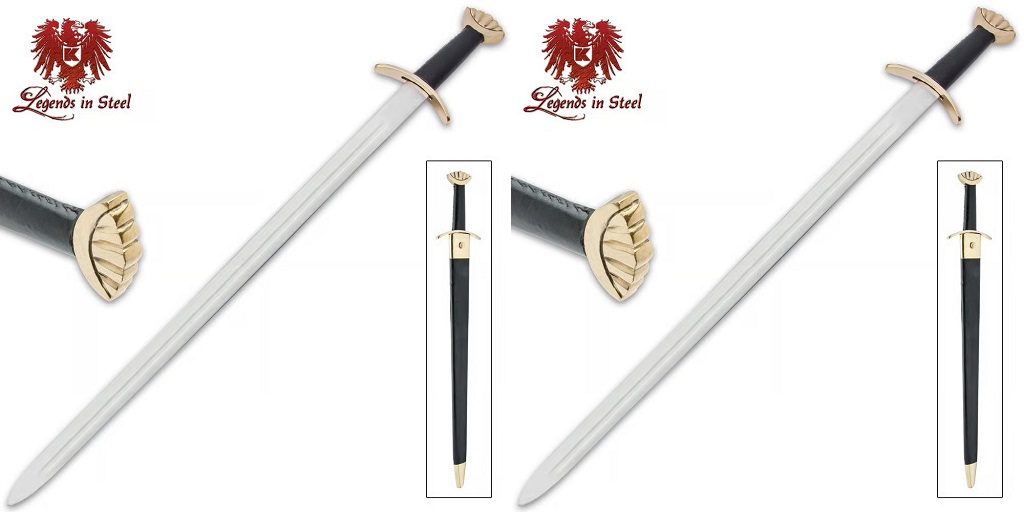
Have you ever looked at a Viking sword and wondered what it was actually like to hold one in the heat of a Norse shield wall? It’s easy to imagine these weapons as heavy, clumsy bars of iron, but the reality is far more fascinating. To a Viking leader, a sword was more than just a tool for war; it was a masterpiece of engineering, a status symbol, and a lightning-fast extension of the arm. When you understand how these warriors actually fought, you begin to see the genius behind every curve and fuller of the blade.
A Dance of Steel and Oak
If you were a warrior in the Viking Age, your survival depended on how well your sword played with your shield. Unlike the later “knightly” styles we often see in movies, Viking combat was a high-stakes game of leverage and speed. The shield wasn’t just a wall to hide behind; it was an active weapon used to bash, trap, and hook an opponent’s equipment.
This active style of fighting is exactly why the Viking Sword developed its signature broad, flat blade. Since most fights happened at extremely close quarters, warriors prioritized powerful, sweeping slashes over delicate stabs. These blades were designed to be light enough to flick from the wrist but sturdy enough to bite deep into wood or leather. When you hold a well-balanced recreation today, the first thing you’ll notice is how “alive” it feels in your hand; it’s built for movement, not just brute force.
Engineering for the Shield Wall
One of the most common things people notice about an authentic Viking Sword is the surprisingly short grip. You might think, “Did they have smaller hands back then?” Not exactly! That compact hilt was a deliberate choice. A tight grip gave the fighter incredible control when making quick lateral movements. It allowed them to strike from the shoulder or elbow without overextending, which was vital when you were standing shoulder-to-shoulder with your kinsmen.
The heavy pommel at the base also served a vital purpose. It acted as a counterweight to the blade, pulling the balance point back toward your hand. This made the sword feel lighter than it actually was, allowing a warrior to fight longer without fatigue, a crucial advantage in a grueling skirmish.
Claim Your Piece of History
The reason we are still so captivated by these weapons today is their sheer honesty. There are no unnecessary frills; every part of the weapon was created for survival. While later European swords became more complex to deal with plate armor, the Viking blade remained a straightforward, terrifyingly effective tool for a specific type of warfare.
If you are a history buff, a collector, or someone who just appreciates fine craftsmanship, you need to find a blade that respects these traditions. With an incredible variety of sword options, True Swords ensures you don’t have to be a Jarl to afford a legendary blade. Go ahead and find the weapon that speaks to your inner warrior!
For more information about Aragons Sword and Real Samurai Sword Please visit: True Swords.