
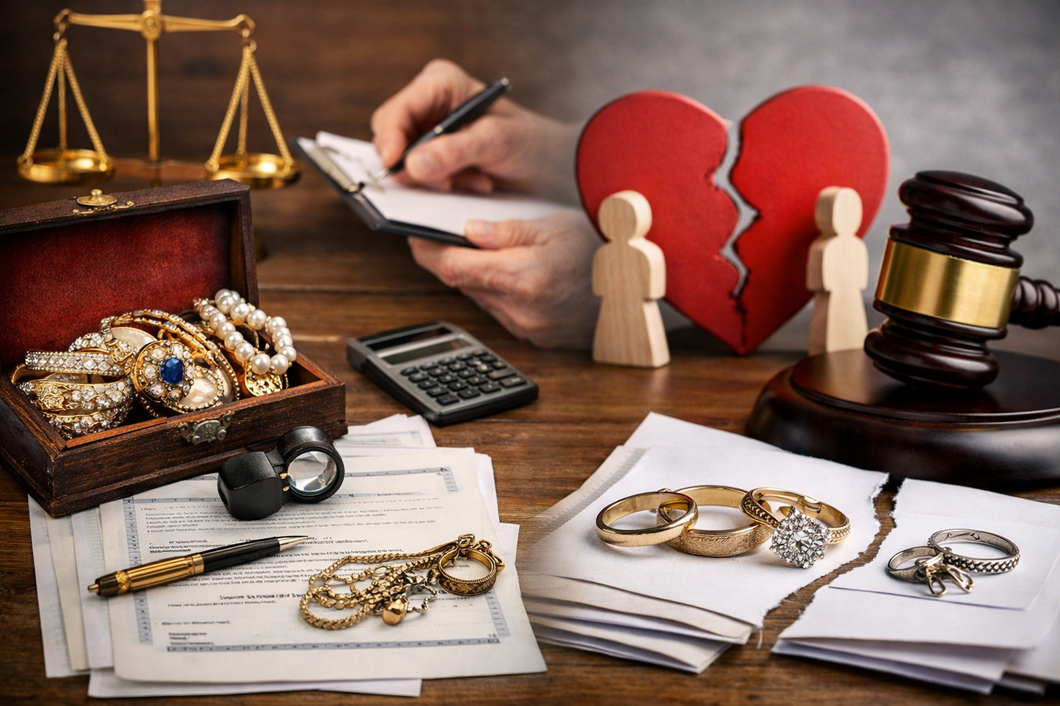
Everyone around the world owns jewellery, whether passed down from generation to generation, engagement rings, anniversary gifts, or bespoke designs, all of which carry deep emotional significance. But we all know the value of jewellery is more than just sentimental value. In the present time, the fluctuating price of precious metals makes it quite difficult to have a fair idea of the estimated value of prestigious goods that you own.
When life hits with tragic events like bereavement or divorce, running high on emotions is natural. That’s when it becomes totally important to get a probate jewellery valuation done from the professional jewellery valuation service providers. You will find various ways in the UK to get the jewellery valuations done, one of which is an online jewellery valuation, allowing you to get the things done without stepping out.
Understanding the do’s and don’ts while dealing with an estate, or even if you are looking for jewellery in a divorce settlement, can save you stress, time, and potentially thousands of pounds. Let’s have a detailed look at dos and don’ts while getting a probate jewellery valuation done.
Why Jewellery Valuation Matters
Jewellery differs from standard assets because its value assessment requires more than simple bank balance verification and property listing evaluation. Gold prices change with market conditions, while gemstone prices depend on their quality, and designer and antique items can achieve higher value than regular products. The proper evaluation of inherited jewellery for probate purposes and the direct valuation of jewellery for divorce settlements require both precise measurements and expert execution.
The Do’s of Jewellery Valuation:
1. Use a Qualified Independent Valuer
People make their biggest mistake when they believe that their local jeweller can manage all their needs. Retail jewellers possess the knowledge needed to sell jewellery; however, they can’t conduct legal jewellery valuation procedures. The purpose of an independent valuer assessment is to establish jewellery valuation for probate and divorce settlement cases. The valuer must possess legal expertise and provide authentic documentation that is acceptable.
2. Understand the Type of Valuation You Need
Not all jewellery valuations are the same. This is where many people get confused. The following list displays the basic valuation categories:
- People need to fulfil the requirement of probate jewellery valuation when someone dies. The value reflects the open market value at the date of death.
- The valuation of jewellery in the divorce settlement process determines how assets should be distributed between parties.
- The insurance valuation estimates costs which exceed actual replacement expenses.
- The resale or market valuation determines the maximum price you can achieve through selling the item.
- Using the wrong type of valuation can lead to disputes or financial loss. Courts will not accept inflated figures because insurance values exceed probate values.
3. Gather all the Documents
The valuation appointment requires you to gather all essential documentation, which includes:
- Original receipts,
- Previous valuation certificates,
- Diamond or gemstone grading reports from GIA and
- Any provenance or historical documentation.
The valuer needs this information to create a report which contains more precise details. Supporting documents help the estate process for probate jewellery valuation because they create easier pathways for the process.
4. Do Get Valuations Done Promptly
The timing of events creates important effects throughout the process. The date of death establishes the valuation requirements for probate cases. Delays create challenges when gold or gemstone prices experience major fluctuations. The early valuation process for jewellery in a divorce settlement prevents extended conflicts between parties. The professional report will enable negotiations to start once you receive it.
5. Be Transparent
Honesty is essential because it helps to prevent upcoming problems which stem from hidden facts. The court process requires full asset disclosure because any attempt to hide jewellery assets will result in severe damage to your credibility.
The Don’ts of Jewellery Valuation
1. Don’t Use Outdated Valuations
The value of jewellery changes. The continuous fluctuation in gold prices and the ups and downs in gemstone markets can affect the value of your jewellery.
An insurance valuation done ten years ago cannot reflect the current open market value. The correct value at the relevant date is necessary for jewellery valuations, not a historic figure. Always ensure the valuation is current and specific to whatever purpose is required.
2. Don’t Divide Jewellery Without Professional Advice
The solution to divide everything into equal parts appears simple. The actual process of dividing jewellery requires more effort because it presents distinct challenges.
For example:
- One partner may retain an engagement ring.
- Family heirlooms require special handling because they possess unique value.
- One high-value piece may offset several smaller ones.
A formal valuation of jewellery in divorce settlement cases establishes a shared understanding of the negotiation process for both parties.
3. Don’t Forget Tax Implications
The assessment of probate jewellery determines the value of inheritance tax, which needs to be paid. The divorce process requires both parties to disclose their assets with complete accuracy. The failure to report valuable jewellery items will result in legal repercussions. Professional valuation provides protection against future conflicts, which may result in financial penalties.
Protect Yourself with the Right Valuation
The final assessment results will determine whether you receive protection from the appropriate valuation method. It’s obvious to experience emotional distress from the death of a loved one or divorce. The situation becomes worse when you have doubts about your valuable assets.
A professional jewellery valuation provides the following benefits to clients:
- It enables equal sharing of assets
- It ensures all legal requirements are met
- It provides correct information for tax purposes
- It helps to minimise disputes
- It brings clients emotional relief.
Following these do’s and don’ts will help you through the process; the settlement discussion will proceed successfully.