
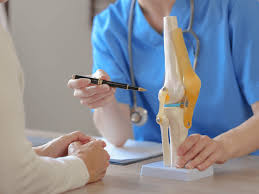
Chronic knee pain can significantly limit mobility, independence, and overall quality of life. For many patients, robotic knee replacement offers a modern solution with improved precision and recovery outcomes. This advanced surgical approach uses robotic assistance to support surgeons during joint replacement procedures. By improving accuracy and alignment, robotic techniques reduce tissue trauma and support quicker healing. Understanding how this technology works, along with recovery expectations, helps individuals make informed treatment decisions with greater confidence and clarity.
What Is Robotic Knee Replacement?
Robotic knee replacement is a surgical procedure that uses computer-guided robotic systems to assist surgeons. The robot does not perform surgery independently. Instead, it helps the surgeon plan and execute precise bone cuts and implant placement. This technology allows for customised surgical plans based on each patient’s anatomy. As a result, the procedure improves joint alignment and implant positioning.
How Robotic Technology Improves Accuracy?
Traditional knee replacement relies heavily on manual techniques. Robotic systems provide real-time data and visual feedback during surgery.
Key accuracy benefits include:
- Detailed 3D mapping of the knee joint
- Precise bone preparation and implant placement
- Reduced risk of alignment errors
- Improved balance of surrounding ligaments
- Customised surgical planning for each patient
These improvements contribute to better joint function and long-term implant performance.
Faster Recovery Through Precision Surgery
One major advantage of robotic assistance is faster recovery. Because the procedure is highly accurate, there is less disruption to surrounding tissues.
Patients often experience:
- Reduced post-operative pain
- Lower risk of complications
- Shorter hospital stays
- Faster return to walking and daily activities
- Improved knee movement early in recovery
These outcomes make robotic techniques appealing for active individuals seeking quicker rehabilitation.
Recovery Timeline Expectations
Recovery time varies depending on age, health, and activity level. However, robotic assistance often supports smoother rehabilitation.
Typical recovery milestones include:
- Standing and walking within one to two days
- Reduced swelling during early healing
- Gradual improvement in strength and flexibility
- Return to light activities within weeks
- Continued improvement over several months
Physiotherapy remains essential to maximise recovery and long-term success.
Comparing Traditional and Robotic Knee Replacement
Understanding the differences helps patients choose the right approach.
| Aspect | Robotic Knee Replacement | Traditional Knee Replacement |
| Surgical Precision | High, computer-assisted accuracy | Manual alignment methods |
| Customisation | Patient-specific planning | Standard surgical techniques |
| Tissue Impact | Reduced soft tissue disruption | Greater surrounding tissue impact |
| Recovery Experience | Often faster and smoother | Recovery may take longer |
| Implant Alignment | Highly precise | Depends on surgeon technique |
These differences explain why robotic methods are becoming increasingly popular.
Risks and Considerations
Every surgical procedure carries risks. Robotic knee replacement is no exception.
Possible considerations include:
- Infection or blood clots
- Implant wear over time
- Individual healing variations
- Commitment to rehabilitation programs
Discussing medical history and expectations with a surgeon ensures safe outcomes.
Choosing the Right Care Setting
After understanding the procedure, selecting the right facility is equally important. Many patients prefer treatment at a Private Hospital in Adelaide due to personalised care and advanced facilities.
Private hospitals often offer:
- Shorter waiting times
- Access to advanced robotic systems
- Dedicated orthopaedic teams
- Private recovery rooms
- Comprehensive post-operative support
This environment supports comfort, safety, and recovery confidence.
Benefits of Robotic Knee Replacement
Robotic-assisted procedures provide several long-term benefits:
- Improved joint function and movement
- Greater implant longevity
- Enhanced surgical consistency
- Reduced post-operative discomfort
- Faster return to everyday activities
- Increased patient satisfaction
These benefits make robotic surgery a preferred option for many patients.
Rehabilitation and Long-Term Outcomes
Successful outcomes depend on surgery combined with structured rehabilitation. Physiotherapy strengthens muscles, improves flexibility, and restores proper movement patterns. Patients who follow prescribed exercises often experience better balance, reduced stiffness, and lasting joint stability. Over time, robotic accuracy supports natural knee movement and reduces strain on surrounding tissues. Maintaining an active lifestyle and healthy weight further improves long-term outcomes and implant performance.
Conclusion
Robotic knee replacement represents a major advancement in orthopaedic surgery. Its precision supports faster recovery, reduced discomfort, and improved long-term joint function. While suitability depends on individual health and needs, many patients benefit from this technology. Choosing experienced surgeons and a trusted Private Hospital in Adelaide further enhances safety and results. With proper planning, rehabilitation, and guidance, patients can regain mobility, relieve pain, and confidently return to an active, independent lifestyle.