
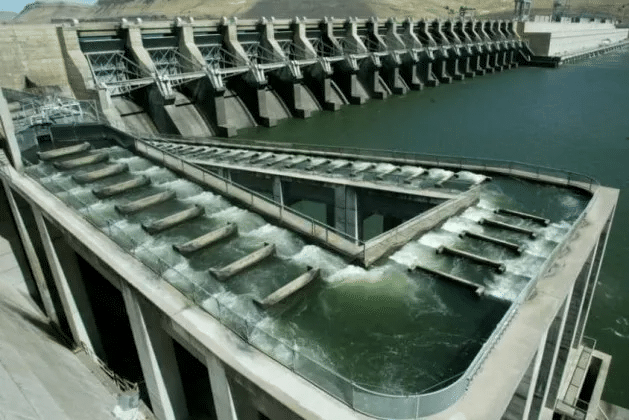
A Hydraulic structure design plays a critical role in managing water resources, protecting communities, and supporting infrastructure development. From dams and spillways to canals and stormwater systems, hydraulic structures are engineered to control, convey, and store water safely and efficiently. As climate change intensifies rainfall patterns and water demand grows, the importance of well-planned and resilient hydraulic design has never been greater.
What Is Hydraulic Structure Design?
Hydraulic structure design refers to the engineering process of planning and constructing structures that interact with water. These structures are built to control flow, regulate water levels, prevent flooding, enable irrigation, and generate hydropower.
Common hydraulic structures include:
- Dams
- Weirs
- Spillways
- Culverts
- Canals
- Flood control gates
- Stormwater detention basins
Each structure must be designed with careful consideration of hydraulic behavior, structural stability, environmental impact, and long-term durability.
Core Principles of Hydraulic Structure Design
1. Hydrology and Flow Analysis
The foundation of hydraulic design begins with understanding water flow. Engineers analyze rainfall patterns, watershed characteristics, flood frequency data, and runoff behavior. This helps determine:
- Peak discharge rates
- Flow velocities
- Water surface profiles
- Flood levels
Accurate hydrological modeling ensures that structures can safely handle both normal and extreme flow conditions.
2. Hydraulic Efficiency
A well-designed hydraulic structure optimizes water movement while minimizing energy loss. Engineers evaluate:
- Flow regimes (laminar or turbulent)
- Head loss
- Pressure distribution
- Cavitation risks
The goal is to achieve stable flow conditions while preventing erosion, vibration, or structural damage.
3. Structural Stability
Hydraulic structures are constantly subjected to forces such as:
- Hydrostatic pressure
- Uplift pressure
- Seepage forces
- Impact from debris
- Soil pressure
Design must account for sliding, overturning, bearing capacity failure, and structural fatigue. Reinforced concrete, steel gates, and erosion-resistant materials are often used to enhance durability.
4. Geotechnical Considerations
The foundation conditions significantly influence hydraulic structure performance. Soil type, permeability, and settlement potential must be evaluated. Improper foundation treatment can lead to seepage, piping failure, or structural instability.
5. Environmental and Sustainability Factors
Modern hydraulic structure design integrates environmental protection measures such as:
- Fish passages
- Sediment management systems
- Water quality controls
- Ecological flow maintenance
Sustainable design also considers climate resilience and long-term water management strategies.
Key Components of Hydraulic Structures
Dams
Dams are large-scale hydraulic structures designed to store water for irrigation, power generation, and flood control. Their design must ensure stability against immense water pressure while preventing seepage and structural cracking.
Spillways
Spillways safely release excess water from reservoirs to prevent overtopping. Their design focuses on energy dissipation and erosion prevention. Poor spillway design can lead to catastrophic failure.
Culverts and Stormwater Systems
Urban drainage relies heavily on culverts and stormwater systems to manage runoff. Proper sizing and alignment prevent flooding and waterlogging in developed areas.
Energy Dissipation Structures
When high-velocity water is discharged, it can erode downstream channels. Energy dissipation basins and stilling pools reduce velocity and protect infrastructure.
Design Process in Hydraulic Engineering
Hydraulic structure design typically follows a structured process:
Step 1: Site Investigation
Engineers collect data on topography, hydrology, soil conditions, and environmental constraints. Accurate site assessment reduces unforeseen risks during construction.
Step 2: Preliminary Design and Modeling
Using hydraulic modeling software, designers simulate various flow scenarios. This helps optimize dimensions, slope, and structural configuration.
Step 3: Structural Analysis
Structural calculations determine thickness, reinforcement requirements, and material strength. Safety factors are applied to account for uncertainties.
Step 4: Detailed Design and Documentation
Construction drawings, technical specifications, and material requirements are finalized. Compliance with local and international design codes is verified.
Step 5: Construction and Monitoring
During construction, quality control ensures materials and workmanship meet design standards. Post-construction monitoring helps assess long-term performance.
Challenges in Hydraulic Structure Design
Climate Variability
Extreme weather events are becoming more frequent. Designers must account for higher flood magnitudes and uncertain rainfall patterns.
Sedimentation
Sediment buildup can reduce storage capacity and block flow channels. Design must incorporate sediment control strategies.
Aging Infrastructure
Many hydraulic structures worldwide are decades old. Retrofitting and rehabilitation require careful analysis to extend service life safely.
Environmental Regulations
Strict environmental laws require careful assessment of ecological impacts before project approval.
Best Practices for Effective Hydraulic Structure Design
- Use Advanced Modeling Tools – Computational Fluid Dynamics (CFD) improves accuracy in flow prediction.
- Apply Conservative Safety Factors – Especially in high-risk flood zones.
- Incorporate Redundancy – Backup spillways and emergency release systems increase reliability.
- Plan for Maintenance – Design accessibility for inspection and repairs.
- Integrate Smart Monitoring Systems – Sensors and real-time monitoring enhance operational safety.
FAQs on Hydraulic Structure Design
1. What is the main objective of hydraulic structure design?
The primary objective is to safely manage and control water flow for purposes such as flood control, irrigation, water supply, and power generation while ensuring structural stability and environmental protection.
2. What factors affect hydraulic structure stability?
Key factors include hydrostatic pressure, uplift forces, soil conditions, material strength, seismic activity, and flow velocity. Proper structural and geotechnical analysis ensures stability under various loading conditions.
3. How does climate change impact hydraulic design?
Climate change increases the frequency and intensity of extreme rainfall events. Designers must account for higher flood levels, increased runoff, and greater variability in water availability.
4. What materials are commonly used in hydraulic structures?
Reinforced concrete, structural steel, riprap, geotextiles, and specialized coatings are widely used due to their durability and resistance to water-related deterioration.
5. Why is energy dissipation important in spillway design?
High-velocity water can erode downstream channels and damage structures. Energy dissipation systems reduce flow velocity and protect surrounding infrastructure.
Conclusion
Structural engineering is a vital discipline within civil engineering that ensures the safe and efficient management of water resources. By combining hydrological analysis, structural engineering, geotechnical assessment, and environmental planning, engineers create resilient systems that protect communities and support economic development. As environmental challenges grow and infrastructure demands increase, modern hydraulic design must emphasize sustainability, climate adaptability, and long-term performance. With careful planning, advanced modeling tools, and adherence to safety standards, hydraulic structures can continue to serve society reliably for generations to come.