
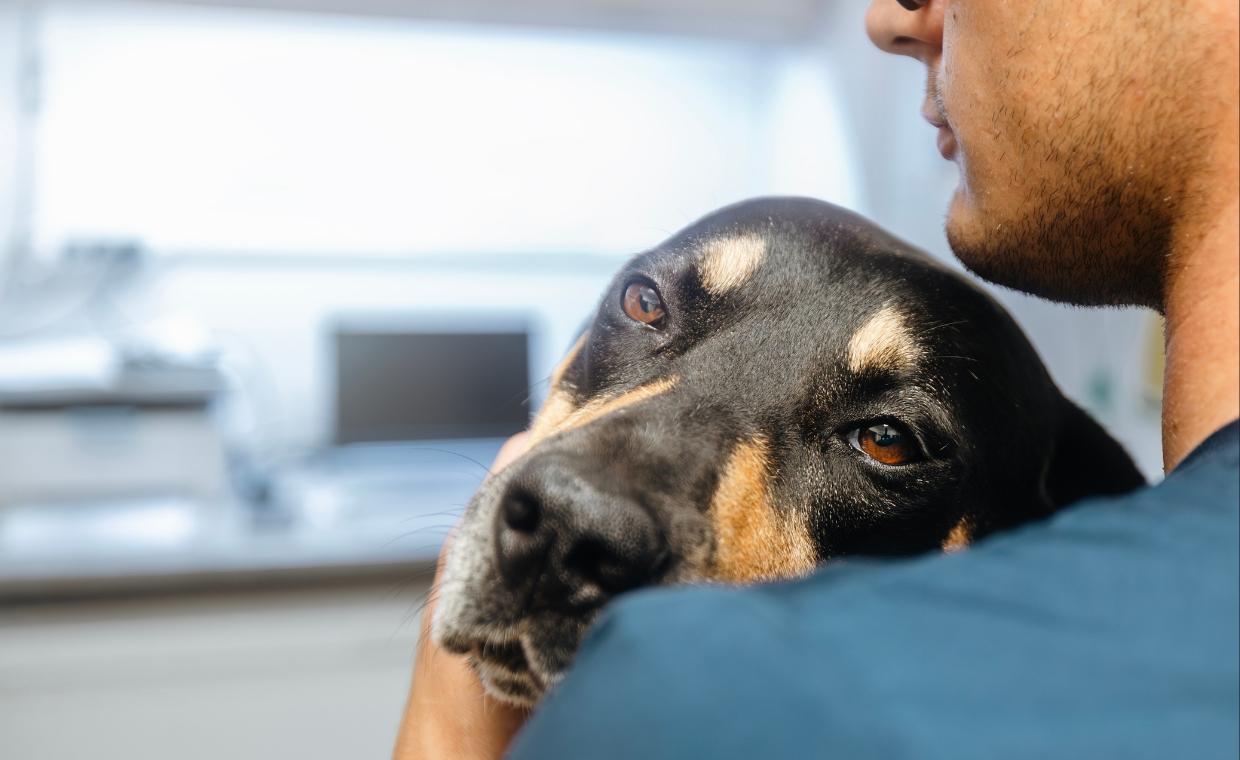
Pets form deep emotional bonds with owners and companions, which makes the loss of a loved one challenging. Grief counseling for pet loss emphasizes that animals display unique emotional responses based on their species and personality. Recognizing these behaviors allows owners to provide appropriate support. Each pet processes grief differently, and understanding their reactions can reduce stress, improve emotional recovery, and strengthen the human-animal bond. Tailored attention ensures pets navigate loss with comfort and care.
Dogs: Visible Signs of Sadness
Dogs are highly social and express grief openly. Signs may include loss of appetite, disinterest in play, withdrawal from family, and changes in sleep patterns. Some dogs become clingy, seeking constant reassurance, while others pace or whine. Maintaining daily routines and providing extra attention can help dogs feel secure during loss. Observing these behaviors carefully allows owners to respond appropriately, creating an environment where dogs can express emotions safely and gradually adjust to the absence of a companion.
Cats: Subtle Emotional Responses
Cats often mask grief, making signs less noticeable. They may hide more, eat or groom less, or show increased aloofness. Some cats seek comfort, while others withdraw completely. Maintaining consistent routines and offering quiet, safe spaces can help cats process their emotions. Owners need to recognize these subtle cues to provide support without adding stress. Understanding a cat’s unique ways of handling loss ensures emotional needs are met, allowing them to regain a sense of normalcy and balance in their daily life.
Birds: Behavioral Changes in Flock Animals
Birds experience grief intensely, particularly social species. Loss may appear as changes in vocalization, decreased appetite, feather plucking, or withdrawal. Some birds become more vocal, expressing stress and anxiety. Environmental enrichment, consistent attention, and companionship can help birds cope with these changes. Observing behavior closely allows owners to provide timely interventions, maintaining both emotional and physical health. Ensuring social interaction or gentle engagement helps birds navigate grief and reduces prolonged stress, fostering a more stable emotional state.
Small Mammals: Rabbits, Hamsters, and Guinea Pigs
Small mammals form bonds that are disrupted by loss, leading to behaviors such as lethargy, reduced eating, or excessive hiding. Rabbits may show depression when separated from a companion, while hamsters and guinea pigs may withdraw. Creating a comforting environment, maintaining feeding schedules, and offering gentle interaction can support small mammals through grief. Awareness of subtle changes in behavior is crucial for providing effective care. Attention to their emotional state helps prevent health issues caused by stress or prolonged sadness.
Reptiles and Amphibians: Less Obvious Grief
Reptiles and amphibians process grief differently and often show subtle signs. Changes may include reduced appetite, lower activity, or altered behavior patterns. These pets do not display emotions openly, and stress may be internalized. Maintaining stable habitat conditions, minimizing disturbances, and monitoring daily behavior are essential. Attentive care during periods of loss ensures their health remains intact. While their emotional expression is less obvious, owners who carefully observe changes can provide the support needed for reptiles and amphibians to adjust to new circumstances.
Coping Strategies Across All Pet Types
Supporting grieving pets involves strategies that apply across species. Maintaining consistent feeding and play schedules provides structure. Creating safe spaces for rest allows pets to retreat when needed. Gentle attention and companionship offer reassurance. Observing for unusual behaviors or appetite changes helps detect distress early. Consulting a veterinarian is recommended if grief persists or worsens. Implementing these strategies allows pets to process grief naturally, reducing anxiety while promoting emotional and physical well-being, regardless of the type of animal.
Signs of Grief to Watch For
Recognizing grief early enables timely support. Pets may withdraw, eat less, sleep differently, vocalize more, or display clinginess. Some show pacing, hiding, or changes in toileting behavior. Understanding species-specific manifestations is important, as dogs, cats, birds, and small mammals express distress in unique ways. Observing patterns helps owners provide comfort while avoiding overstimulation. Prompt attention to signs of grief ensures pets receive care tailored to their needs, helping them navigate emotional challenges safely and begin the healing process effectively.
Supporting Pets During Loss
Supporting grieving pets requires patience, understanding, and attention to their specific needs. Spending extra time, offering favorite treats, and keeping routines consistent create stability. Introducing enrichment or companionship gradually can assist in emotional recovery. Veterinary guidance or professional behavior counseling may help address prolonged grief or unusual behaviors. Tailoring support to the pet’s species, personality, and response to loss ensures that interventions are effective. Providing compassionate care during this period strengthens the bond between pets and owners while promoting long-term emotional health.
Conclusion:
Loss impacts pets in diverse ways, depending on species and individual temperament. Dogs may display visible sadness, cats often withdraw, and birds or small mammals show behavioral changes. Observing these reactions, maintaining routines, and offering comfort supports emotional and physical recovery. Compassionate care, patience, and attention to subtle signs of distress allow pets to navigate grief safely. Supporting pets during emotional challenges strengthens the human-animal bond and promotes their overall well-being, ensuring that grief is managed with sensitivity and understanding.
FAQs
How can I tell if my dog is grieving?
Signs include loss of appetite, withdrawal from family, pacing, whining, or changes in sleep patterns.
Why do cats hide after a companion passes?
Cats often process grief quietly, appearing aloof or hiding while adjusting to emotional stress.
Can birds suffer from grief or depression?
Yes. Changes in vocalization, appetite, or feather plucking can indicate emotional distress.
How long does pet grief last?
Duration depends on species, bond, and personality. Some pets recover in weeks, others take longer.
Is it helpful to introduce a new companion after loss?
Gradual introduction may aid some pets, but it depends on readiness, species, and temperament.