
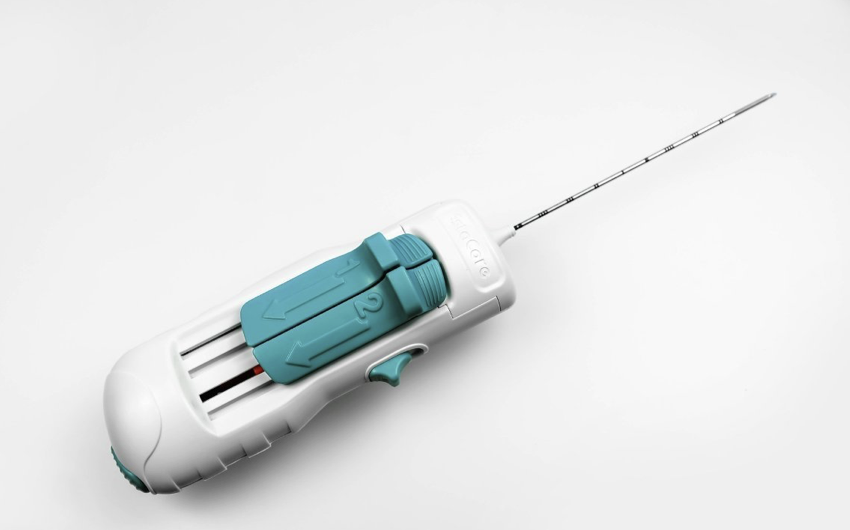
Biopsy procedures have long been a cornerstone in disease diagnosis, particularly in oncology and chronic disease management. As medical science advances, the demand for precise, minimally invasive, and efficient diagnostic solutions has grown significantly. This shift is reshaping the biopsy devices market, driven largely by technological innovation and evolving clinical needs.
Advancements in diagnostic technologies are not only improving the accuracy of biopsy procedures but also enhancing patient safety and reducing procedural complexity. These developments are contributing to a more streamlined healthcare ecosystem where early detection and targeted treatment are becoming increasingly achievable.
Understanding the Role of Biopsy Devices in Modern Diagnostics
Biopsy devices are essential tools used to extract tissue samples for examination. These samples help clinicians identify abnormalities such as cancer, infections, or inflammatory conditions. Traditionally, biopsy procedures were invasive and often associated with discomfort and extended recovery times.
As per the study published by MarkNtel Advisors, the biopsy devices market is experiencing notable transformation due to increasing demand for accurate diagnostic solutions and the growing emphasis on early disease detection across healthcare systems.
Integration of Imaging Technologies Enhancing Precision
One of the most significant advancements in the biopsy devices market is the integration of imaging technologies such as ultrasound, MRI, and CT scans. These imaging modalities enable real-time visualization of target tissues, allowing for highly accurate sample collection.
Image-guided biopsy systems reduce the risk of sampling errors and improve diagnostic reliability. For instance, ultrasound-guided biopsies are widely used due to their accessibility and cost-effectiveness, while MRI-guided procedures offer superior soft tissue visualization, particularly in complex cases.
This integration is transforming biopsy procedures from generalized sampling to highly targeted interventions, ensuring that clinicians can obtain the most relevant tissue samples with minimal invasiveness.
Rise of Minimally Invasive Biopsy Techniques
Minimally invasive procedures are becoming the preferred choice in modern healthcare, and biopsy technologies are no exception. Innovations such as core needle biopsy and vacuum-assisted biopsy systems have significantly reduced the need for surgical interventions.
These techniques offer several advantages, including shorter recovery times, reduced risk of complications, and improved patient comfort. As healthcare systems worldwide emphasize outpatient care and cost efficiency, minimally invasive biopsy devices are gaining widespread adoption.
The shift toward less invasive methods is also aligned with patient preferences, as individuals increasingly seek diagnostic procedures that minimize physical and psychological stress.
Automation and Digital Integration in Biopsy Procedures
Automation is playing a growing role in enhancing the efficiency and consistency of biopsy procedures. Advanced biopsy systems now incorporate automated needle positioning and sample collection mechanisms, reducing operator dependency and variability.
Additionally, digital integration is enabling seamless data management and analysis. Biopsy devices are increasingly connected with diagnostic software and electronic health records, facilitating better coordination between clinicians and pathologists.
This digital transformation is particularly valuable in high-volume healthcare settings, where efficiency and accuracy are critical. It also supports the broader trend toward data-driven healthcare, where insights derived from diagnostic procedures can inform treatment strategies.
Expanding Applications Beyond Oncology
While oncology remains the primary application area, biopsy devices are increasingly being used in other medical fields. These include gastroenterology, dermatology, and infectious disease diagnostics.
The ability to obtain precise tissue samples is essential for diagnosing a wide range of conditions, from liver diseases to skin disorders. As awareness of early diagnosis grows, the demand for biopsy procedures across various specialties is expected to increase.
This expansion of applications is contributing to the overall growth and diversification of the biopsy devices market, making it a critical component of modern diagnostic infrastructure.
Impact of Technological Advancements on Market Dynamics
Technological innovation is not only improving clinical outcomes but also influencing market dynamics. The introduction of advanced biopsy devices is driving competition among manufacturers, leading to continuous product development and refinement.
Healthcare providers are increasingly investing in advanced diagnostic tools to enhance service quality and patient outcomes. This trend is particularly evident in developed regions, where access to cutting-edge technologies is more widespread.
At the same time, emerging markets are witnessing growing adoption of biopsy devices due to improving healthcare infrastructure and increasing awareness of early disease detection. These factors are collectively shaping the global landscape of the biopsy devices market.
Challenges and Considerations
Despite the significant advancements, certain challenges persist. High costs associated with advanced biopsy systems can limit accessibility, particularly in resource-constrained settings. Additionally, the need for skilled professionals to operate sophisticated equipment remains a critical factor.
Regulatory requirements and quality standards also play a crucial role in shaping the market. Manufacturers must ensure compliance with stringent guidelines to maintain product safety and effectiveness.
Addressing these challenges will be essential to ensure that the benefits of technological advancements are accessible across diverse healthcare environments.
Conclusion
Advancements in diagnostic technologies are fundamentally transforming the biopsy devices market. From improved imaging integration to minimally invasive techniques and digital connectivity, these innovations are enhancing the accuracy, efficiency, and accessibility of biopsy procedures.
While challenges remain, the ongoing development of advanced biopsy solutions is expected to play a crucial role in shaping the future of diagnostics. The continued focus on precision medicine and early disease detection will likely further accelerate innovation in this space, reinforcing the importance of biopsy devices in modern healthcare systems.