
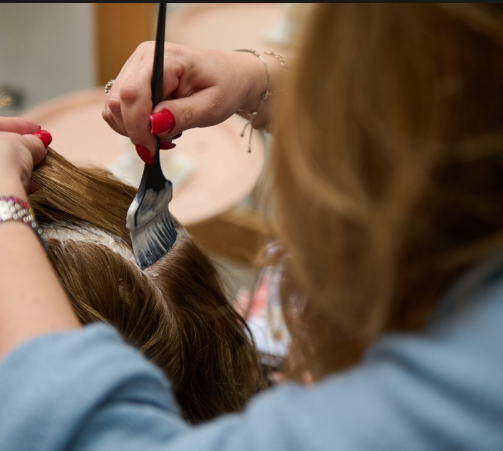
Your hair says a lot about you. People often want a small change that softens their features, brightens their look, and adds shape to flat or dull strands. Many clients want to upgrade without a drastic cut or a full color shift. Hair highlights can do that in a safe, controlled, and gentle way. When you choose color in thin sections, you shape light around the face. You get lift without a shock. The result feels familiar, yet fresh. You look like you, only more awake. That is the role of hair highlights for women when the focus is subtle and natural.
This type of change works because hair reacts to light. The eye sees contrast, depth, and tone. When you add bright strands next to deeper hair, the entire shape of your style changes. It looks fuller. It looks more dimensional. It pulls attention toward the eyes and cheekbones. You get a natural makeover without the stress of a major shift.
Your goal as a client may be simple. You may want more movement. You may want a summer lift. You may want to soften harsh lines. You may want to blend grey in a gentle way. Highlights handle all those concerns with less maintenance than full dye.
Below is a guide to help you understand placement, tones, care, maintenance, and how local professionals approach this work.
Why dimension matters
Flat color can make hair look heavy. It reflects light in one sheet and hides movement. When stylists place thin streaks of color, the surface breaks into layers. Your hair shows shadow and brightness. You see volume even when the hair is straight.
Dimension creates:
- A softer frame around your face
- More shape on long lengths
- A break in harsh dark tones
- A visual lift at the crown
- A blended edge near grey strands
Women with fine hair often love highlights because each bright piece reflects more light than the base. That reflection tricks the eye. The hair looks fuller.
Women with curls enjoy it as well. Curves in the hair hold color in arcs. When each arc reflects light, the curl pattern stands out.
Placement that keeps things soft
Some women fear streaks that look bold or chunky. Gentle placement avoids that. Thin, even slices keep the look seamless. A stylist may lift only the surface, or only around the face. This helps women ease into color without shock.
Common low-pressure choices include:
- Face-framing pieces to draw the eye upward
- Crown placement to add lift at the top
- Ends-only lightening for a soft sun effect
- Partial highlight sessions to avoid heavy contrast
This is also useful for women who want to grow their color out slowly. Thin placement does not leave harsh roots. Grow-out looks smooth because the color blends from dark to light.
Using tools that match the goal
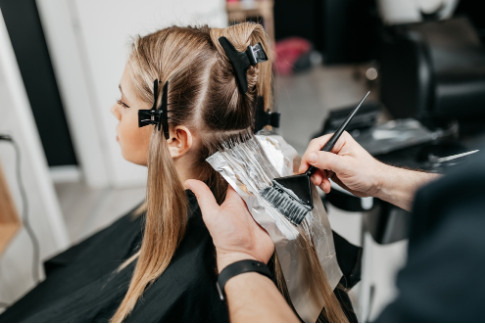
Some women pick hand-painted color. Others choose a foil method. The method depends on precision, tone control, and desired contrast.
Foils trap heat and boost lift. They help reach a lighter blonde in a short time. This is good for women who want a bright effect.
Hand-painted work gives a softer line. The hair lightens in a gradient. You see lived-in tone. Many women choose this style when they want a sun-kissed finish that grows out with less upkeep.
Babylights are a third option. They are tiny highlights placed close together. They mimic childhood hair. They offer the most subtle shift of all.
All three methods serve the same idea: soft change, natural tone, and a controlled lift.
A technique breakdown for hair highlights for women
To keep your color natural, you want thin sections and small tonal jumps. A tonal jump is the space between your base color and the highlight. A major jump creates a bold streak. A small jump creates glow.
Stylists often stay within two to three levels of lift for subtle work. That means the highlight looks sun-made instead of bleach-made. It blends with brown, dark blonde, or medium brunette tones.
Soft tone works well on warm skin. It also sits nicely next to cool undertones. This versatility is why highlights are such a common request. They avoid the fake look many women fear.
Your stylist may offer lowlights too. These are darker strands placed around bright strands. Lowlights increase shadow and prevent a washed-out tone. A mix of both bright and dark creates a ribbon effect that looks natural in daylight.
Seasonal changes that boost confidence
Color responds to changing weather. In summer, the sun brightens the outer layers of hair. In winter, many women want warmth. Highlights can shift from honey and beige in warm months to caramel and chestnut in cooler months.
These shifts keep your tone aligned with clothes, skin shade, and mood. They also refresh tired ends without major effort.
Each session does not need to be full. You can do a few face pieces in one visit. Two months later, you can add a few crown strands. That rhythm keeps hair bright all year.
Grey blending with care
Grey hair can spark stress. Women often do not want full dye coverage. They want soft masking. Highlights mix grey into the rest of the hair so it reads as reflection, not age.
When placed in thin strands, highlights scatter grey. They make each silver line part of a tonal pattern. It becomes texture instead of a visual stop. Many women find this more natural than constant root touch-ups.
Light and shadow for facial shape
You can shape the face with color. Bright pieces under the cheekbone soften wide jaws. Bright pieces near the eyes lift the brow region. A glow around the face also draws attention upward.
Dark shadow near the root adds depth. It keeps the face from washing out. A good stylist sees the face as geometry. Short pieces, long pieces, or curved strokes all support the bone layout.
You do not need major changes to see major effect.
Focus on low-stress upkeep
One reason highlights work so well is the maintenance cycle. Full color fades fast. It needs regular root care. Highlights grow out with low stress.
Clients often return in eight to twelve weeks. Some stretch even longer. Women reduce salon frequency and still look fresh.
Care at home matters too:
- Gentle shampoo protects tone
- Conditioner shields ends
- Toner visits adjust warmth
- Reduced heat limits dryness
Your hair stays healthy and bright.
When women want guidance
Stylists see many concerns: lack of shine, heavy layers, too much brown, too much black, dull blonde, or solid color that hides shape. These concerns have simple solutions with strategic placement.
A client may say, “I want lift but no streaks.” That means thin application.A client may say, “My color looks red in the sun.” That means tone adjustment.A client may say, “My ends feel dry.” That means product support, slower lifting, or moving highlights away from fragile areas.Every worry has an answer.
Working with cost and time
Subtle color saves both. Short sessions cost less. Fewer visits reduce long-term spending.
Many women start with partial highlights. They target the face and the top. If they enjoy the look, they expand later. That approach reduces risk. It lets the woman see herself in steps.Time in the chair also drops. Hand-painted work often takes less foil prep.
Understanding what to expect from hair coloring services Woodbridge
Color appointments involve talk, tone testing, and strand checks. A stylist looks at your base shade, texture, and density. They learn how fast your hair lifts. They then shape a plan.
Women in the area want honest guidance, smooth tone, and safe handling. Hair coloring services Woodbridge often support this by offering controlled lightening, gloss options, and placement that keeps hair strong.
Local color sessions usually include toners. Toners cancel brass, restore shine, or add warmth. They make subtle highlights look intentional.
When you speak with a colorist, share your pain points. Share your lifestyle. Share your time limits. That helps them shape a strategy that fits your real life.
Why placement blends with real routines
Some women wash their hair every day. Others wash once or twice a week. Highlights must fit that routine. Heavy shampoo strips tone. Less shampoo preserves tone. The stylist may guide you toward a method that matches your habits.
Some women heat-style daily. Others air-dry all week. Placement should avoid fragile zones for women with heavy heat use. Color should target mid-lengths for women who air-dry.
The point is simple: a good highlight plan matches how you live, not how a trend looks on a screen.
Tying in local support again
Color needs touch-ups, but not constant ones. Strong stylists build long-term plans. That is why hair coloring services Woodbridge align well with women who want safe, slow shifts. They protect the cuticle layer. They adjust tone without shock.
If your hair type needs moisture, the stylist may slow the lift. If your hair type holds brass, they may tone more often. That attention guides women toward subtle success.
When subtle feels profound
People often chase big results. But calm change can feel more personal. Light along the hairline can lift your eyes. Shallow blonde along dark brown can mimic sun exposure. A warm caramel stroke can boost skin glow.
The mind reads this as health. That is why many women feel more confident after subtle color than full bleach. They look rested and alert.
Each strand works like makeup. It supports, rather than covers.
A last word on maintenance and next steps
When you feel ready for color, bring clear goals. Bring photos that show tone, not shape. Be open to expert advice.
Subtle work needs trust. It needs a patient hand. Highlights should respect the natural fall of your hair. They should follow your part and your hairline. They should lift your look, not replace it. Many women explore previews with a few strands. Once they like the effect, they continue.
Soft color is a journey, not a shock. Quality stylists honor that. If you choose to explore hair highlights for women in a safe and guided setting, look for a salon that listens, plans, and focuses on health. Local clients often lean toward steady, natural change, and a studio like 4th Quarter Hair Lounge Inc can support that path with care and patience.