
In today’s industrial environment, piping systems must withstand aggressive chemicals, varying temperatures, pressure fluctuations, and long operating hours. Traditional metal pipe fittings often fail in such demanding conditions due to corrosion, scaling, and chemical attack. This is where UPVC pipe fittings have emerged as a reliable, cost-effective, and long-lasting solution.
Corrosion resistant UPVC (Unplasticized Polyvinyl Chloride) pipe fittings are now widely used across multiple industries, including chemical processing, water treatment, pharmaceuticals, agriculture, power plants, and infrastructure projects. Their superior resistance to corrosion, lightweight design, and low maintenance requirements make them an ideal choice for modern industrial piping systems.
What Are UPVC Pipe Fittings?
UPVC pipe fittings are manufactured from rigid polyvinyl chloride without plasticizers, giving the material high mechanical strength and excellent chemical resistance. Unlike metal fittings, UPVC does not rust, pit, or corrode when exposed to moisture, acids, alkalis, or salts.
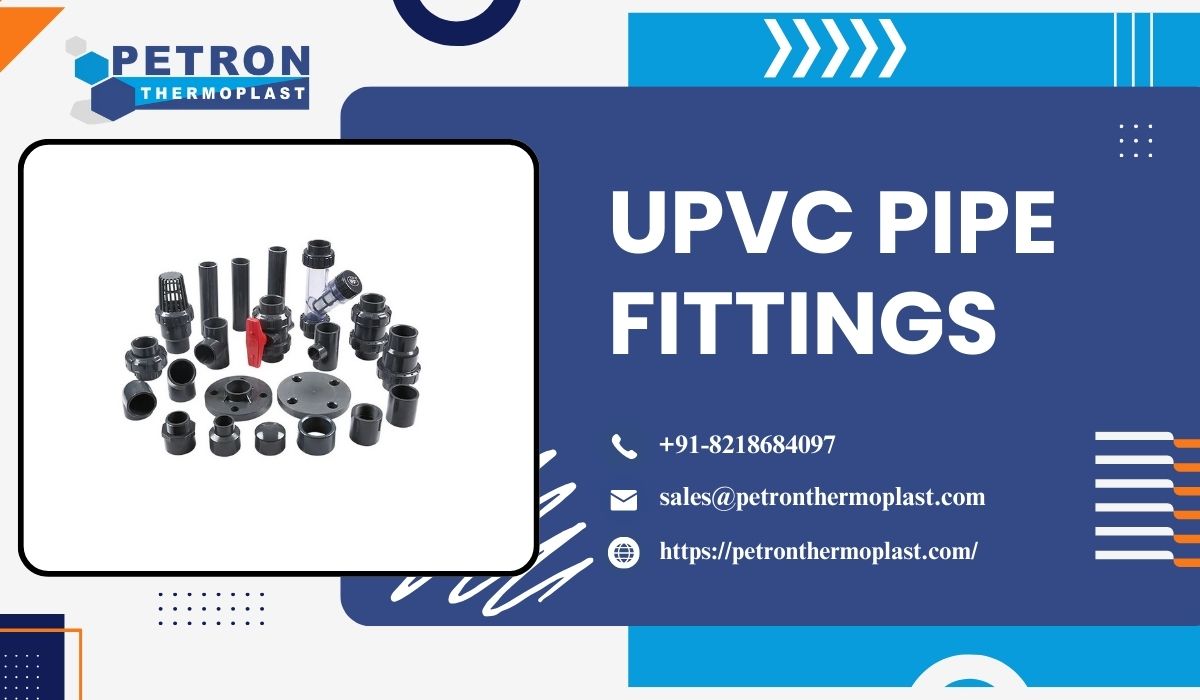
These fittings are designed to connect UPVC pipes efficiently, ensuring leak-free flow control and long-term system integrity. Common UPVC pipe fittings include:
- Elbows
- Tees
- Reducers
- Couplers
- Unions
- End caps
- Flanges
- Valves and adaptors
Why Corrosion Resistance Matters in Industrial Applications?
Corrosion is one of the leading causes of pipeline failure in industrial systems. It leads to leaks, contamination, downtime, safety risks, and expensive repairs. Industries handling chemicals, saline water, or wastewater require materials that can resist continuous chemical exposure without degrading.
UPVC pipe fittings provide excellent corrosion resistance, ensuring:
- Longer service life
- Reduced maintenance costs
- Improved safety
- Consistent flow performance
Key Features of Corrosion Resistant UPVC Pipe Fittings
- Excellent Chemical Resistance
UPVC fittings are resistant to a wide range of chemicals, including acids, alkalis, salts, and industrial effluents. They do not react with the fluids they carry, maintaining system purity and reliability.
- Rust-Free and Non-Corrosive
Unlike steel or iron fittings, UPVC does not rust or oxidize, even in humid or submerged conditions. This makes it perfect for underground, outdoor, and chemical plant installations.
- Lightweight and Easy Installation
UPVC pipe fittings are significantly lighter than metal alternatives, making transportation and installation easier. Solvent cement or threaded joints allow quick and secure assembly.
- High Flow Efficiency
The smooth internal surface of UPVC fittings minimizes friction loss, preventing scaling and buildup. This results in improved flow rates and energy efficiency.
- Long Service Life
UPVC pipe fittings can last decades when installed correctly, even in aggressive industrial environments. Their durability ensures consistent performance over time.
- Cost-Effective Solution
Lower material cost, reduced maintenance, and minimal downtime make UPVC fittings an economical choice for industrial projects.
Industrial Applications of UPVC Pipe Fittings
- Chemical Processing Industry
Chemical plants handle corrosive fluids that can quickly degrade metal piping. UPVC pipe fittings are widely used for chemical transfer lines, dosing systems, and waste disposal pipelines due to their strong resistance to chemical attack.
- Water Treatment and Distribution
UPVC fittings are ideal for potable water systems, sewage treatment plants, desalination units, and effluent management. Their corrosion resistance ensures clean water flow without contamination.
- Pharmaceutical and Healthcare Industry
In pharmaceutical manufacturing, purity and hygiene are critical. UPVC pipe fittings offer non-toxic, corrosion-free performance, making them suitable for water purification, chemical handling, and utility pipelines.
- Agriculture and Irrigation
UPVC fittings are commonly used in irrigation systems, fertilizer lines, and water supply networks. They withstand exposure to soil chemicals, fertilizers, and varying weather conditions.
- Power Plants and Energy Sector
Thermal and renewable power plants use UPVC pipe fittings for cooling water systems, chemical dosing, and auxiliary pipelines where corrosion resistance is essential.
- Infrastructure and Construction
UPVC fittings are used in commercial buildings, residential projects, and industrial infrastructure for plumbing, drainage, and fire protection systems.
Comparison: UPVC vs Metal Pipe Fittings
| Feature | UPVC Pipe Fittings | Metal Pipe Fittings |
| Corrosion Resistance | Excellent | Poor to Moderate |
| Weight | Lightweight | Heavy |
| Maintenance | Very Low | High |
| Installation | Easy | Complex |
| Cost | Economical | Expensive |
| Service Life | Long | Shorter in corrosive environments |
Standards and Quality Compliance
High-quality UPVC pipe fittings are manufactured in compliance with international and national standards such as:
- ASTM
- ISO
- DIN
- IS standards
Choosing the Right UPVC Pipe Fittings
When selecting corrosion resistant UPVC pipe fittings for your project, consider the following factors:
- Chemical compatibility
- Pressure and temperature requirements
- Pipe size and connection type
- Industry standards compliance
- Manufacturer reliability
Why Choose Petron Thermoplast for UPVC Pipe Fittings?
Petron Thermoplast is a trusted manufacturer and supplier of high-quality UPVC pipe fittings designed for demanding industrial applications. With advanced manufacturing facilities and strict quality control, Petron Thermoplast delivers products that meet international standards and industry expectations.
Key Advantages:
- Premium grade raw materials
- Wide range of UPVC pipe fittings
- Customization options available
- Corrosion resistant and durable designs
- Competitive pricing for domestic and export markets
Sustainability and Environmental Benefits
UPVC pipe fittings are environmentally friendly due to their long lifespan and recyclability. Their corrosion resistance reduces the need for frequent replacements, minimizing material waste and environmental impact.
Future of UPVC Pipe Fittings in Industry
As industries continue to prioritize efficiency, safety, and sustainability, the demand for corrosion resistant UPVC pipe fittings is expected to grow. With increasing infrastructure development, water management projects, and chemical processing facilities, UPVC fittings will play a crucial role in modern piping systems.
Conclusion
Corrosion resistant UPVC pipe fittings offer unmatched durability, chemical resistance, and cost efficiency for a wide range of industries. Their ability to withstand harsh environments without rusting or degrading makes them a superior alternative to traditional metal fittings.
From chemical plants and water treatment facilities to agriculture and infrastructure projects, UPVC pipe fittings ensure safe, reliable, and long-lasting performance. By choosing a trusted manufacturer like Petron Thermoplast, industries can invest in piping solutions that deliver long-term value, operational efficiency, and peace of mind.