
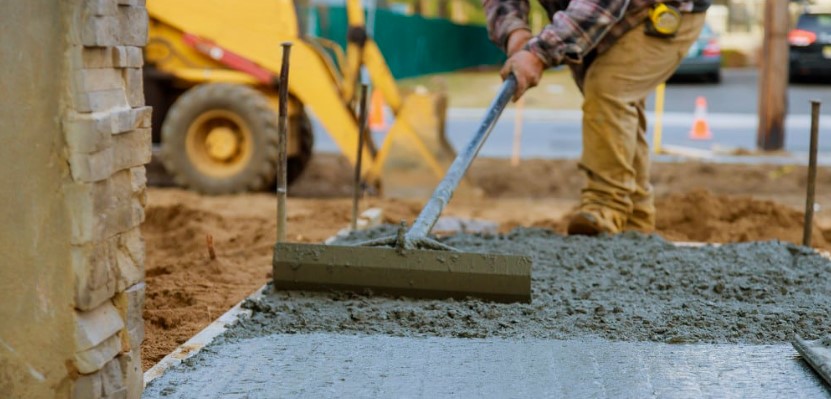
A well-installed concrete driveway is more than just a functional surface—it enhances your property’s curb appeal, durability, and long-term value. Whether you’re replacing an old driveway or installing a new one, understanding the process of concrete driveway installation can help you make informed decisions and ensure lasting results.
Why Choose a Concrete Driveway?
Concrete driveways are a popular choice for homeowners due to their strength, longevity, and low maintenance requirements. Compared to asphalt or gravel, concrete offers a cleaner appearance and can last up to 30 years or more with proper care. Additionally, it provides better load-bearing capacity, making it ideal for heavier vehicles.
Concrete also offers design flexibility. Homeowners can choose from a variety of finishes, including stamped, stained, or exposed aggregate, allowing customization to match the home’s aesthetic.
Planning Your Concrete Driveway Installation
Before starting the installation process, careful planning is essential. First, determine the size and layout of your driveway based on your needs and available space. Consider factors like parking requirements, drainage, and access points.
Next, check local building codes and obtain any necessary permits. Some municipalities have specific guidelines regarding driveway thickness, reinforcement, and setbacks.
Hiring a professional contractor is often recommended, as proper installation requires expertise and specialized equipment. However, if you plan to take a DIY approach, ensure you have a solid understanding of the process and tools involved.
Steps in Concrete Driveway Installation
- Site Preparation
The first step involves clearing the area of vegetation, debris, and existing materials. The ground is then excavated to the required depth, typically around 6–8 inches. Proper grading ensures adequate drainage and prevents water pooling. - Subbase Installation
A stable subbase is crucial for the longevity of the driveway. Usually made of compacted gravel or crushed stone, the subbase provides support and prevents shifting or cracking over time. - Formwork Setup
Wooden forms are placed along the edges of the driveway to hold the concrete in place during pouring. These forms must be properly aligned and secured to maintain the desired shape and thickness. - Reinforcement
Steel rebar or wire mesh is added to strengthen the concrete and reduce the risk of cracking. Reinforcement is especially important for driveways that will تحمل heavy loads. - Pouring the Concrete
Concrete is poured evenly into the prepared forms. Workers use tools to spread and level the surface, ensuring consistent thickness throughout. - Finishing
After pouring, the surface is smoothed using a float or trowel. Decorative finishes, such as stamping or broom texturing, can be applied at this stage to enhance appearance and improve traction. - Curing
Proper curing is essential for achieving maximum strength. The concrete must be kept moist and protected for at least 7 days, although full curing can take up to 28 days.
Maintenance Tips for Longevity
To maximize the lifespan of your concrete driveway, regular maintenance is key. Seal the surface every 2–3 years to protect against moisture, stains, and weather damage. Clean the driveway periodically to remove dirt, oil, and debris.
Avoid using harsh chemicals or de-icing salts during winter, as they can weaken the concrete surface. Additionally, address small cracks promptly to prevent them from expanding.
Cost Considerations
The cost of concrete driveway installation varies depending on factors such as size, thickness, design complexity, and location. On average, homeowners can expect to pay between $4 to $10 per square foot. Decorative finishes and reinforcements may increase the overall cost but also add value and durability.
While the upfront cost may be higher than other materials, concrete’s long lifespan and minimal maintenance often make it a cost-effective investment over time.
Common Mistakes to Avoid
One of the most common mistakes is inadequate site preparation, which can lead to uneven surfaces and cracking. Skipping reinforcement or using low-quality materials can also compromise durability.
Another issue is improper curing. Rushing the process or failing to maintain moisture can weaken the concrete and reduce its lifespan.
Finally, poor drainage design can cause water accumulation, leading to erosion and structural damage. Always ensure proper slope and runoff management.
Frequently Asked Questions (FAQs)
1. How long does concrete driveway installation take?
Typically, installation takes 2–3 days, but curing requires at least a week before light use and up to 28 days for full strength.
2. How thick should a concrete driveway be?
A standard residential driveway is usually 4 inches thick, but 5–6 inches is recommended for heavier vehicles.
3. Can I install a concrete driveway myself?
While possible, it requires skill and proper equipment. Hiring a professional ensures better results and longevity.
4. How long does a concrete driveway last?
With proper maintenance, a concrete driveway can last 25–30 years or more.
5. Is sealing a concrete driveway necessary?
Yes, sealing helps protect against moisture, stains, and cracking, extending the driveway’s lifespan.
Conclusion
A Foundation Installation Service is a smart investment that combines durability, functionality, and aesthetic appeal. By understanding the process—from planning and preparation to curing and maintenance—you can ensure a high-quality result that stands the test of time. Whether you choose to hire a professional or take a DIY approach, attention to detail and proper techniques are essential for achieving a driveway that enhances both the value and appearance of your home.