
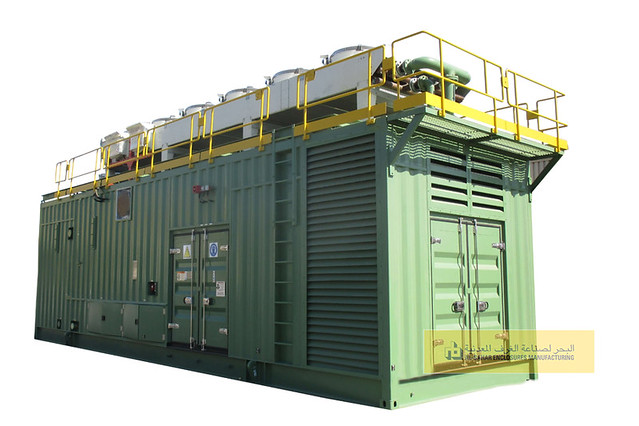
DNV containers have become an integral component of offshore logistics, driven by strict safety demands, harsh operating environments, and increasing regulatory compliance across energy, oil, gas, and maritime sectors. As one of the most trusted global standards, DNV 2.7-1 certified containers guarantee superior structural integrity, lifting safety, and environmental durability compared to conventional transport containers.
We supply advanced solutions that meet the diverse requirements of offshore operations. Our focus is on delivering high-strength, high-safety DNV-certified containers, engineered for dependable performance in the most hostile environments.
Understanding DNV Certification for Offshore Containers
The DNV 2.7-1 standard defines strict technical and safety requirements for containers used in offshore environments, including:
- Structural strength and load-bearing capacity
- Lifting and handling performance
- Environmental resistance and material quality
- Documentation and traceability
- Rigorous testing and inspection procedures
Unlike standard ISO containers, DNV offshore containers are designed specifically to withstand dynamic lifting, rough handling, and severe weather conditions commonly found in offshore sites, oil rigs, FPSOs, and marine vessels.
Types of DNV Containers for Offshore Applications
A wide range of DNV container types is available to optimise offshore operations, logistics, and site productivity. Key categories include:
DNV Cargo Carrying Units
These are used for the safe transport of materials, tools, and consumables. Configurations include:
- DNV open-top containers
- DNV half-height containers
- DNV basket containers
- DNV dry cargo containers
They feature enhanced corrosion resistance, secure locking systems, and heavy-duty lifting points.
DNV Workshop Containers
Mobile workspaces designed for offshore maintenance teams, equipped with:
- Reinforced flooring
- Ventilation and insulation
- Tool storage systems
- Optional electrical fit-out
These units function as fully operational offshore workshops, enabling productivity anywhere.
DNV Tanks
Used for transporting hazardous liquids safely offshore. Options include:
- DNV chemical tanks
- DNV fuel tanks
- DNV acid tanks
All tank systems meet strict safety and spill-prevention standards.
DNV Refrigerated Containers (Reefers)
Designed for temperature-controlled storage of food, medical supplies, and sensitive materials. Features include:
- Insulated panels
- Temperature monitoring
- Shock-resistant frame
These units guarantee offshore cold chain continuity.
Structural Safety Features of DNV Containers
All DNV-certified containers incorporate advanced safety innovations that exceed ISO standards, including:
- Certified lifting shackles
- Forklift pockets and pad eyes
- Corner castings and reinforced frames
- Shock and corrosion-resistant steel
- Pressure relief systems for tanks
Their design supports multiple lifting configurations using cranes, slings, or spreaders, ensuring safe deployment from supply vessels to offshore platforms.
Materials and Engineering Specifications
To comply with DNV 2.7-1, containers must be manufactured from high-grade steel with proven resistance to:
- Saltwater corrosion
- Impact forces
- Structural deformation
- Hot and cold temperature variation
Key engineering specifications include:
- Energy-absorbing design
- Structural redundancy to prevent collapse
- Quality weld profiles
- Certified coating systems
This makes DNV containers ideal for long-term use in marine environments.
Inspection, Testing, and Certification
Routine inspections are mandatory to maintain certification. Processes include:
- Visual inspection of welds and structure
- Load testing of lifting components
- Nondestructive testing (NDT)
- Coating and corrosion evaluation
All units must carry:
- Unique identification numbers
- Material certificates
- Load test reports
- Inspection logs
Compliance ensures maximum operational safety and traceability.
Why Offshore Industries Need DNV Containers
Offshore sectors demand equipment that meets the highest levels of safety, performance, and durability. Key benefits include:
- Reduced operational risk
- Enhanced worker safety
- Compliance with international regulations
- Long-term cost efficiency
- Compatibility with offshore lifting gear
DNV containers are specifically engineered for heavy-duty, mission-critical offshore operations, making them a strategic asset for any project.
Applications of DNV Containers in Offshore Operations
DNV containers are used across multiple offshore activities, including:
- Oil & gas logistics
- Subsea construction
- Drilling support
- Wind farm installation
- Marine transport and supply chain
Typical uses include storage of:
- Tools and equipment
- Bulk materials
- Hazardous liquids
- Spare parts
- Consumables
Their secure and modular design helps optimise deck space, transportation, and workflow efficiency.
Custom DNV Container Engineering Solutions
We engineer custom-built DNV containers tailored to project-specific needs. Customisation features include:
- Electrical systems and lighting
- HVAC installation
- Fire suppression systems
- Internal shelving and workbenches
- Explosion-proof components
We work closely with clients to design safe, functional solutions that increase productivity and meet operational requirements.
DNV Containers vs Standard ISO Containers
SpecificationDNV ContainerISO Container
Designed for offshore lifting. Yes No
Strength and durability: Extreme Moderate
Inspection frequency Mandatory Optional
Corrosion resistance: High Standard
Operational environment: Harsh offshore General cargo
Choosing DNV-certified containers ensures superior performance, risk reduction, and compliance with safety standards required offshore.
Cost Factors of DNV Containers
Pricing is influenced by:
- Container type and size
- Material grade
- Customization level
- Certification processes
- Inspection requirements
Though initially more expensive, lifecycle cost is significantly lower due to durability and compliance.
Conclusion
DNV containers represent the highest standard of offshore safety, engineering, and regulatory compliance. Their robust design, advanced safety systems, and versatile configurations make them indispensable to modern offshore operations. Organisations that invest in DNV-certified solutions gain measurable advantages in efficiency, risk mitigation, and operational performance.