
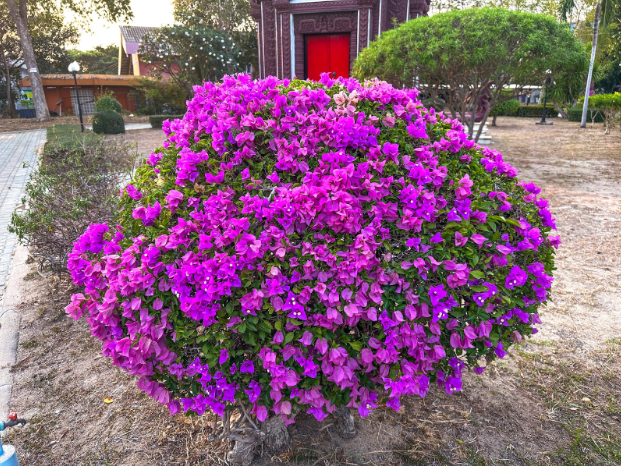
The oleander tree is a popular ornamental plant known for its elegant white blooms and evergreen foliage. Commonly grown in warm climates, it adds beauty to gardens, parks, and roadside landscapes. However, proper care is essential to ensure healthy growth and abundant flowering. Understanding its needs will help you maintain a thriving white oleander tree while responsibly managing its toxicity.
Ideal Growing Conditions
The white oleander tree thrives in warm, sunny environments. It prefers full sunlight, receiving at least 6–8 hours of direct sun daily. While it can tolerate partial shade, reduced sunlight may limit flowering.
This plant grows best in well-drained soil but is highly adaptable to different soil types, including sandy and slightly alkaline soils. One of its strengths is its ability to withstand drought conditions once established, making it suitable for regions with hot, dry climates. However, young plants require consistent watering until their root systems develop.
Watering Requirements
Although the white oleander tree is drought-tolerant, proper watering is crucial during its early stages. Water the plant deeply once or twice a week, allowing the soil to dry out between watering sessions. Overwatering should be avoided, as it can lead to root rot and other fungal issues.
Mature plants require less frequent watering and can survive extended dry periods. During periods of extreme heat, occasional deep watering helps maintain vibrant blooms and prevent stress.
Fertilization for Healthy Blooms
To promote lush growth and continuous flowering, fertilize the white oleander tree during the growing season. A balanced fertilizer applied once in early spring and again in mid-summer is usually sufficient.
Avoid excessive fertilization, as it can lead to excessive foliage growth at the expense of flowers. Organic compost can also be used to improve soil health and provide a slow-release source of nutrients.
Pruning and Maintenance
Regular pruning is essential for maintaining the shape and health of the white oleander tree. Prune the plant in late winter or early spring before new growth begins. Remove dead, damaged, or diseased branches to encourage fresh growth.
Light pruning throughout the year can help control size and promote bushier growth. Removing spent flowers also encourages the plant to produce more blooms. Always use clean, sharp tools to prevent the spread of disease.
Pest and Disease Management
The white oleander tree is relatively resistant to pests, but it can occasionally be affected by aphids, scale insects, and spider mites. Regular inspection of leaves and stems can help detect infestations early.
If pests are present, they can often be controlled with insecticidal soap or a strong spray of water. Neem oil is another effective and environmentally friendly option. Good air circulation and proper spacing between plants help reduce the risk of fungal diseases.
Safety Considerations
One of the most important aspects of caring for a white oleander tree is understanding its toxicity. All parts of the plant, including leaves, flowers, and sap, contain toxic compounds that can be harmful if ingested by humans or animals.
When handling the plant, always wear gloves and wash your hands thoroughly afterward. Avoid planting it in areas where children or pets frequently play. Despite its toxicity, the plant remains widely used due to its resilience and ornamental value.
Seasonal Care Tips
During colder months, the white oleander tree may require additional protection in regions that experience frost. Covering the plant or moving container-grown specimens indoors can prevent cold damage.
In warmer climates, the plant typically blooms from late spring through fall. Regular care during this period, including proper watering, feeding, and pruning, ensures continuous flowering and healthy foliage.
Conclusion
Caring for an oleander tree involves providing the right balance of sunlight, water, nutrients, and maintenance. With proper attention, this hardy plant can produce stunning white blooms and enhance any landscape. When integrated thoughtfully alongside other flowering bushes, it can create a vibrant and visually appealing outdoor space. While its toxicity requires caution, its beauty and resilience make it a valuable addition to gardens.