
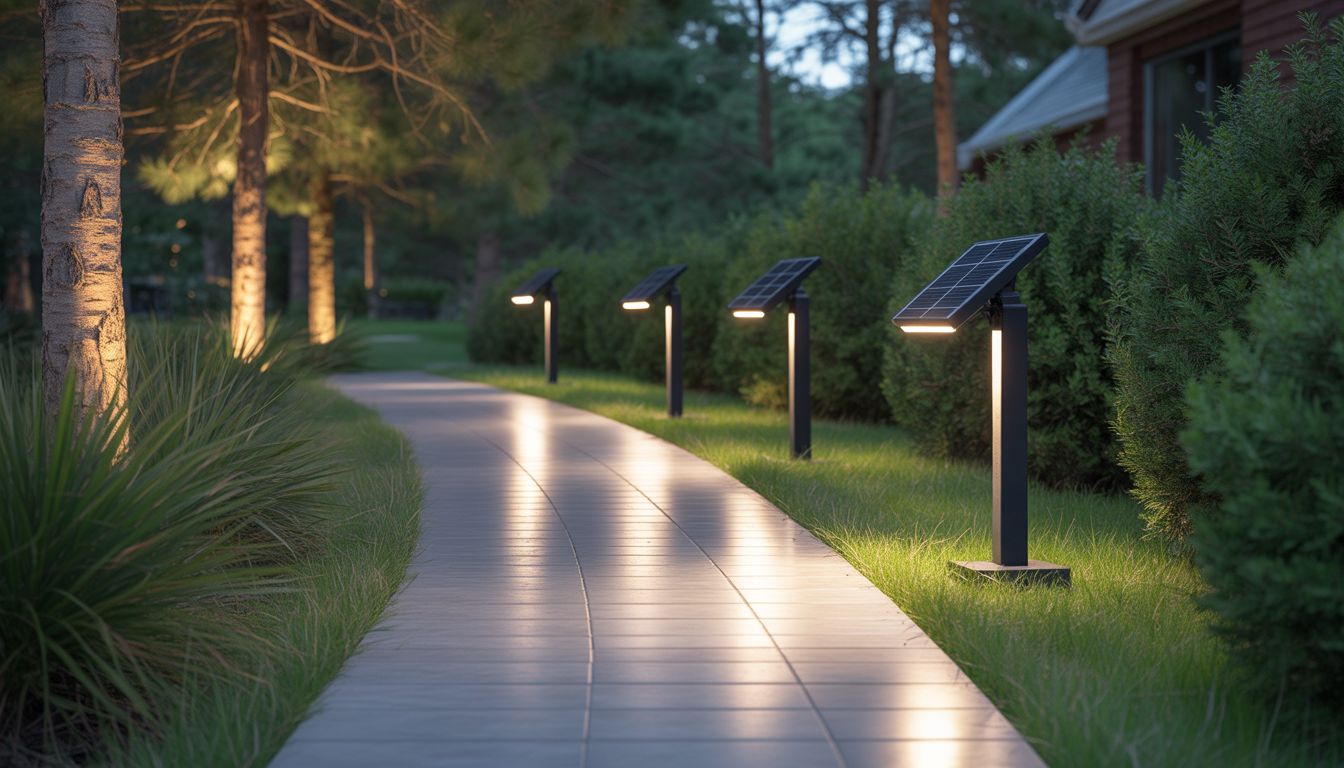
Outdoor lighting transforms a yard from a dark, unused space into a welcoming extension of your home. Path lights, in particular, guide guests safely, highlight landscaping, and add visual charm. Many homeowners feel confused when choosing brightness levels because product labels often mention lumens and watts. You need to understand the difference between these two measurements before selecting the right solar path lights for your property. When you know how brightness works, you can make a smart investment that improves both safety and style.
Understanding the Difference Between Lumens and Watts
Manufacturers once used watts as the main indicator of brightness. Watts measure the amount of energy a bulb consumes, not the amount of light it produces. Traditional incandescent bulbs used more watts to generate more light, so people began associating higher watts with brighter bulbs. However, that assumption no longer works with modern lighting technology.
Lumens measure the actual amount of visible light a bulb emits. When you compare lighting options today, lumens give you a direct and accurate understanding of brightness. A bulb with 200 lumens shines brighter than one with 100 lumens, regardless of wattage. Solar path lights rely on energy efficiency, so you should focus on lumens instead of watts when evaluating brightness levels.
Why Wattage Matters Less in Solar Lighting
Solar lighting systems operate differently from wired electrical systems. They collect sunlight during the day and convert it into stored energy for nighttime use. Since solar fixtures depend on limited stored power, manufacturers design them to use minimal wattage while still delivering effective brightness.
Modern LED technology produces strong illumination while consuming very little energy. A solar light that uses only a few watts can generate impressive lumens. That efficiency allows homeowners to install multiple fixtures without worrying about increased electricity bills. When shopping for solar path lights, you should pay attention to lumen output and battery capacity rather than wattage numbers.
How Many Lumens Do You Really Need for Path Lighting?
You do not need extremely bright lighting to illuminate a walkway. In fact, overly bright lights can create glare and reduce nighttime comfort. Most residential path lights perform well within a range of 50 to 200 lumens per fixture.
If you want subtle decorative lighting, choose fixtures that produce 50 to 100 lumens. This level provides a soft glow that outlines walkways and garden borders. For improved visibility and safety, especially along uneven paths or steps, select lights in the 100 to 200 lumen range. These brighter options ensure clear visibility without overwhelming the surrounding landscape.
Driveways and larger garden paths may require lights closer to 200 lumens. However, balance brightness with spacing. Even moderate-lumen lights placed strategically can produce excellent results without excessive intensity.
Factors That Influence the Ideal Brightness Level
Several environmental and design factors determine how bright your path lights should be. You should evaluate your outdoor space carefully before making a decision.
First, consider the size of your walkway. Narrow garden paths require less brightness than wide driveways. Second, think about ambient lighting. If streetlights or porch lights already provide illumination, you can choose lower-lumen fixtures. Dark rural properties often benefit from slightly higher lumen output.
Landscape design also plays a key role. Dense shrubs, trees, and decorative features can block or absorb light. In such cases, you may need brighter fixtures to achieve the same effect. Climate influences performance as well. Areas with limited sunlight may require efficient panels and batteries to maintain consistent brightness throughout the night.
The Role of Solar Technology in Brightness Performance
Modern solar outdoor lights combine advanced LED chips, efficient photovoltaic panels, and high-capacity rechargeable batteries. These components work together to determine actual performance. When evaluating solar outdoor lights, you should check panel size, battery type, and charging efficiency in addition to lumens.
High-quality solar outdoor lights store enough energy during the day to maintain steady brightness for eight to twelve hours. Lower-quality models may start bright but dim quickly as the battery drains. Premium solar outdoor lights often include intelligent brightness control systems. These systems adjust output based on remaining battery life, ensuring consistent performance throughout the evening.
You should also consider motion-sensor features. Some solar outdoor lights increase lumen output temporarily when they detect movement. This feature enhances security while conserving stored energy during inactive periods. By understanding how solar outdoor lights function as complete systems, you can select products that deliver reliable illumination rather than inconsistent performance.
Balancing Aesthetics and Functionality
Path lighting serves both practical and decorative purposes. You should avoid treating brightness as the only deciding factor. Soft lighting creates a welcoming atmosphere, while harsh lighting can make a yard feel sterile or uncomfortable.
Warm white LEDs often produce a cozy glow that complements gardens and traditional landscapes. Cool white lights appear brighter and more modern, even at similar lumen levels. Beam angle also influences perception. A wide beam spreads light gently across the ground, while a narrow beam concentrates brightness in a focused area.
Spacing matters just as much as lumen output. Install fixtures six to eight feet apart for balanced illumination. Even lower-lumen lights can create excellent visibility when positioned correctly. You achieve the best results when you blend brightness, color temperature, and placement into a cohesive lighting plan.
Energy Efficiency and Long-Term Value
Solar lighting eliminates electricity costs, but quality still affects long-term savings. Durable materials, weather-resistant construction, and high-performance batteries extend product lifespan. When you invest in efficient fixtures, you reduce the need for frequent replacements.
LED technology maintains brightness levels for thousands of hours. Unlike older bulbs, LEDs resist burnout and maintain consistent lumen output over time. Efficient solar panels charge more effectively during shorter daylight hours, ensuring dependable performance across seasons.
Commercial property owners also benefit from selecting appropriate brightness levels. Hotels, restaurants, and retail properties can enhance curb appeal while controlling operational costs. Proper lumen selection prevents energy waste and ensures professional-looking illumination.
Common Mistakes to Avoid When Choosing Brightness
Many buyers assume brighter always means better. This mistake often leads to overly intense lighting that creates glare and reduces nighttime comfort. Excessive brightness can also drain batteries faster, shortening illumination time.
Another common error involves ignoring product specifications. Some low-cost models advertise high lumens but fail to deliver consistent output. Always review battery capacity, panel efficiency, and runtime claims.
Poor placement also reduces effectiveness. Installing lights too far apart creates dark gaps, while placing them too close results in uneven brightness. Plan your layout before installation to achieve smooth, continuous illumination.
How to Choose the Right Solar Path Lights for Your Needs
Start by identifying your primary goal. Do you want decorative ambiance, improved safety, or enhanced security? Match your objective with the appropriate lumen range. For soft garden accents, choose 50 to 100 lumens. For functional walkway lighting, select 100 to 200 lumens.
Next, evaluate product build quality. Look for corrosion-resistant materials such as stainless steel or durable plastic. Ensure the battery uses reliable rechargeable technology. Consider features like automatic dusk-to-dawn operation and motion detection.
Finally, think long term. Invest in products that balance brightness, durability, and efficiency. The right selection will provide dependable illumination for years without increasing your energy expenses.
Final Thoughts on Lumens vs. Watts in Solar Path Lighting
Understanding the difference between lumens and watts empowers you to choose the ideal brightness for your outdoor space. Lumens measure visible light output, while watts measure energy consumption. For solar path lights, lumens provide the most accurate indicator of performance.
Most homeowners achieve excellent results with fixtures between 50 and 200 lumens, depending on pathway size and lighting goals. Focus on system quality, battery performance, and smart features to ensure consistent illumination.
When you evaluate brightness carefully and avoid common mistakes, you create a safe, attractive, and energy-efficient landscape. The right solar path lights will not only guide your steps at night but also elevate the beauty and value of your property.