
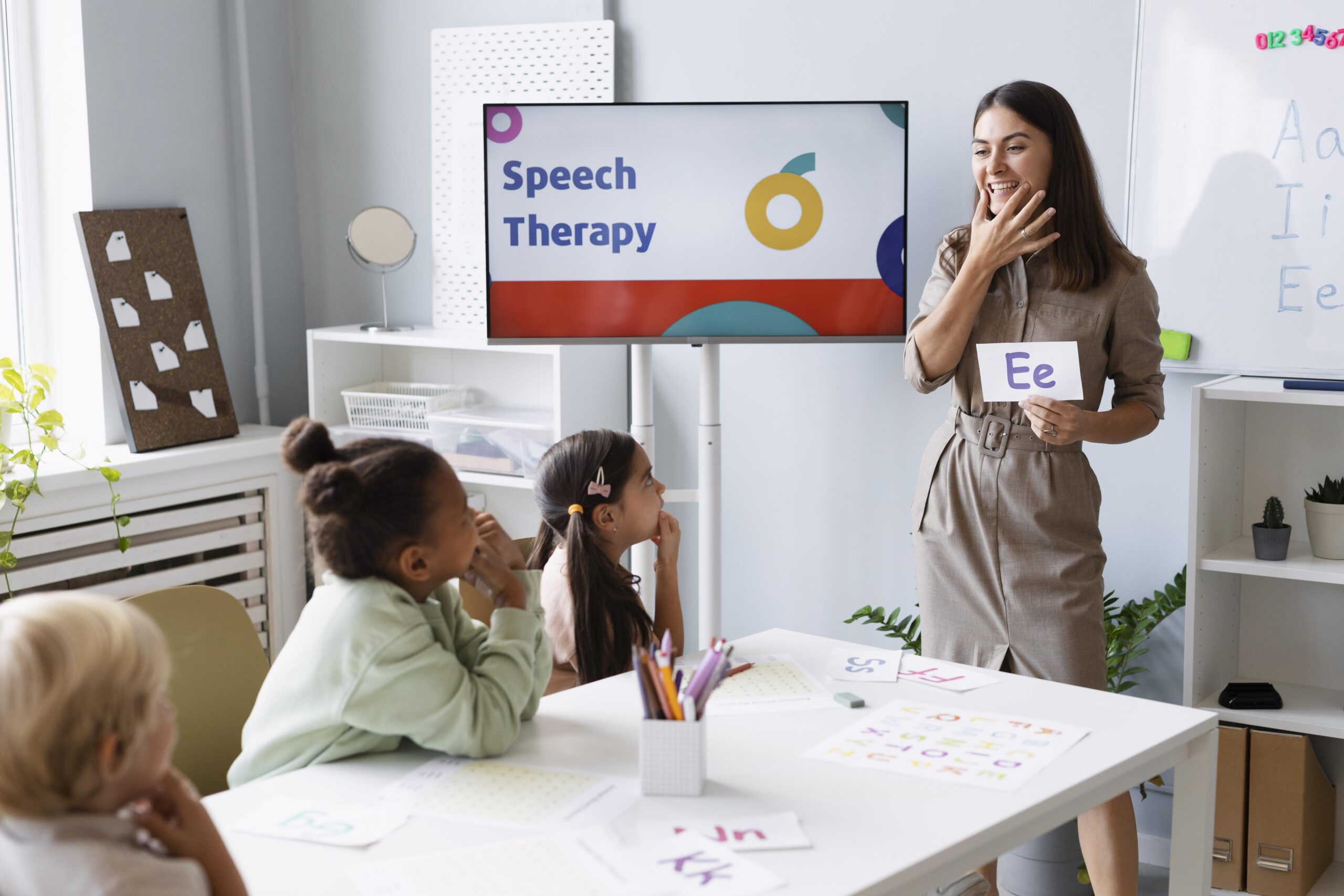
Early childhood is a critical period for language development. During the toddler years, children begin forming words, expressing needs, and connecting socially through communication. When speech or language delays appear, early support can make a significant difference. Speech therapy for toddlers is designed to strengthen communication skills, build confidence, and create a strong foundation for lifelong learning.
Understanding Speech Delays in Toddlers
Toddlers develop at different rates, but there are general milestones most children reach within a certain timeframe. By age one, many children use simple words. By age two, they typically combine two words and follow basic instructions. When a child struggles to speak, understand language, or interact socially, it may indicate a speech or language delay.
Speech delays can involve difficulty pronouncing sounds, limited vocabulary, trouble forming sentences, or challenges understanding spoken language. In some cases, toddlers may also experience social communication difficulties, including limited eye contact or reduced interest in interaction. Identifying these signs early allows parents to seek timely professional guidance.
Why Early Intervention Matters
The brain develops rapidly during the first three years of life. This period offers a unique opportunity to shape language pathways and communication skills. Early intervention through speech therapy can help toddlers catch up to developmental milestones and reduce long-term challenges.
When therapy begins early, children are more likely to build strong foundational skills in listening, speaking, and understanding. Early support can also improve emotional regulation, social confidence, and readiness for preschool. Addressing communication challenges at a young age prevents frustration and helps toddlers express themselves more effectively.
What Happens During Speech Therapy Sessions
Speech therapy for toddlers is play-based, engaging, and developmentally appropriate. Therapists use toys, songs, books, and interactive activities to encourage communication in a natural and enjoyable way. Sessions may focus on improving vocabulary, practicing sound production, enhancing comprehension, and developing social interaction skills.
Therapists also work closely with parents, offering strategies that can be practiced at home. Everyday routines such as mealtime, bath time, and playtime become valuable opportunities for reinforcing speech and language goals. Parent involvement is essential because consistent practice strengthens progress.
Each therapy plan is personalized to meet the child’s specific needs. Some toddlers may need help with articulation, while others require support in understanding language or using words to express feelings and requests.
Signs Your Toddler May Benefit from Speech Therapy
Parents often wonder when to seek professional help. If a toddler is not speaking any words by 18 months, has difficulty combining words by age two, struggles to follow simple directions, or rarely attempts to communicate, an evaluation may be beneficial.
Other signs include frequent frustration when trying to communicate, limited social interaction, unclear speech that is difficult to understand, or regression in language skills. Trusting parental instincts is important. If something feels concerning, seeking an assessment can provide clarity and reassurance.
The Role of Parents in Speech Development
Parents play a powerful role in their toddler’s communication journey. Talking frequently, reading aloud, singing songs, and encouraging turn-taking during conversations all support language growth. Creating a language-rich environment at home reinforces therapy outcomes and strengthens bonding.
Positive reinforcement is equally important. Celebrating small progress builds confidence and motivates toddlers to keep trying. Patience, encouragement, and consistent interaction create a supportive atmosphere where children feel safe to practice new skills.
Speech therapy is not just about correcting sounds; it is about nurturing connection, understanding, and confidence. With guidance from trained professionals and active parental involvement, toddlers can make remarkable progress.
Building Confidence Through Communication
Communication is more than speaking words. It is the foundation for relationships, learning, and emotional expression. When toddlers gain the ability to share their thoughts and needs, their confidence grows. They participate more actively in social settings and develop stronger peer relationships.
Speech therapy empowers children by giving them tools to express themselves clearly. Over time, improved communication reduces behavioral frustrations and enhances overall well-being. Early support sets the stage for academic success and lifelong social skills.
Frequently Asked Questions
What age should a toddler start speech therapy?
Speech therapy can begin as early as 18 months if delays are identified. Early evaluation ensures timely support.
How long does speech therapy take to show results?
Progress varies depending on the child’s needs and consistency of practice. Many families notice improvements within a few months of regular sessions.
Is speech therapy only for children with autism?
No. Speech therapy supports children with a wide range of speech and language delays, including articulation issues, language disorders, and social communication challenges.
Can parents help at home?
Yes. Therapists provide practical strategies for daily routines, and consistent practice at home significantly enhances progress.
Conclusion
Supporting a toddler’s speech development early can transform their communication journey and overall confidence. With compassionate guidance, personalized strategies, and family involvement, children can build the skills they need to thrive. At Autism Learn & Play, we are dedicated to helping toddlers strengthen their voices, express themselves clearly, and grow into confident communicators ready for the world ahead.