
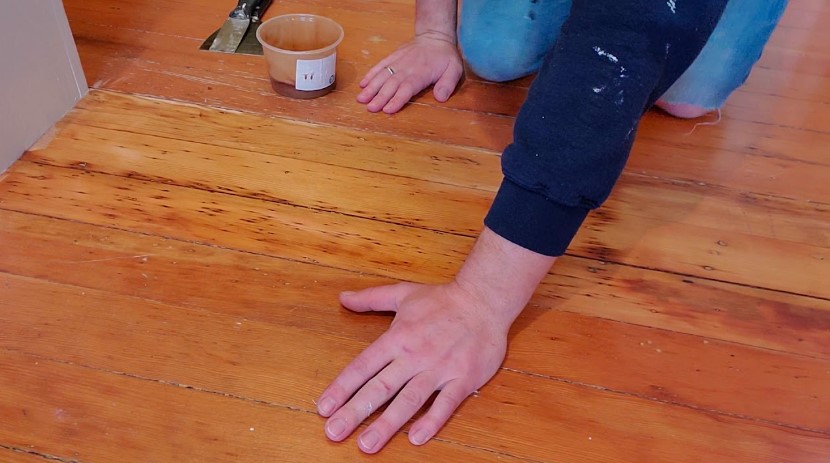
Hardwood floors are one of the most desirable features in any home. They add warmth, elegance, and long-term value. But over time, even the toughest wood surfaces can show signs of wear. Scratches, dents, stains, water damage, and loose boards are all common problems. The good news? Hardwood flooring repair can bring your floors back to life without the cost of a full replacement.
We’ll walk through common issues, repair methods, and tips to keep your hardwood floors looking beautiful for years.
Why Hardwood Flooring Repair Matters
Hardwood floors are an investment. Ignoring small problems can lead to bigger, more expensive damage later. Minor scratches can turn into deep gouges. Small water spots can become warped boards. Timely hardwood flooring repair helps:
- Extend the life of your floors
- Maintain your home’s value
- Improve appearance and comfort
- Prevent structural subfloor damage
Repairing instead of replacing is also more affordable and environmentally friendly.
Common Hardwood Floor Problems
Understanding the type of damage is the first step toward proper repair.
1. Scratches and Surface Wear
Daily foot traffic, pet claws, and moving furniture can leave scratches. Light surface scratches usually affect only the finish, while deeper ones cut into the wood.
2. Dents and Gouges
Heavy furniture drops or sharp impacts can compress the wood fibers, leaving dents or chunks missing from the surface.
3. Water Damage
Spills, leaks, or high humidity can cause boards to stain, cup (edges higher than center), or warp. Long-term moisture exposure may also lead to mold beneath the boards.
4. Gaps Between Boards
Seasonal temperature and humidity changes cause wood to expand and contract. Over time, this can create visible gaps.
5. Squeaky or Loose Boards
Movement between boards and the subfloor can lead to annoying squeaks and an unstable feel underfoot.
Hardwood Flooring Repair Methods
The right repair method depends on the severity and type of damage.
Fixing Light Scratches
For small surface scratches, a hardwood floor repair marker or blending pencil that matches your floor color can work wonders. After applying, buff the area gently with a soft cloth. For wider worn areas, a fresh coat of finish may be needed.
Repairing Deep Scratches and Gouges
Deeper damage often requires wood filler. Clean the area, apply stainable wood filler, let it dry, then sand lightly until smooth. Once level, apply stain and sealant to match the surrounding floor.
Removing Dents
For minor dents, a simple trick can help. Place a damp cloth over the dent and apply a warm iron briefly. The steam can cause the compressed wood fibers to swell back into place. This works best on unfinished or lightly finished floors.
Addressing Water Damage
Water-damaged boards usually need replacement. The affected planks are carefully removed, and new boards are installed, sanded, stained, and sealed to blend with the existing floor. Acting quickly prevents the damage from spreading.
Filling Gaps
Small seasonal gaps may not need repair. But larger, permanent gaps can be filled with wood slivers or flexible wood filler designed for floors. This improves both appearance and insulation.
Stopping Squeaks
Squeaks often come from loose boards or nails. Securing the boards with finishing nails or specialized hardwood floor screws can solve the problem. In some cases, access from below the floor allows for more secure fastening.
When to Refinish Instead of Repair
If your floor has widespread scratches, fading, or dullness, refinishing might be more effective than spot repairs. Refinishing involves sanding the entire surface and applying new stain and protective finish. This process can make old floors look brand new and also allows you to change the color if desired.
However, not all hardwood floors can be refinished many times. Engineered hardwood, for example, has a thinner top layer and limited sanding capacity.
DIY vs. Professional Hardwood Flooring Repair
Small cosmetic fixes are often DIY-friendly. Scratch repair, minor filler work, and touch-ups can usually be handled with basic tools and patience.
But larger repairs—like board replacement, structural issues, or extensive refinishing—are best left to professionals. They have the equipment and expertise to ensure color matching, smooth transitions, and long-lasting results. Improper repairs can actually make damage more noticeable.
Tips to Prevent Future Damage
Prevention is the easiest form of hardwood flooring repair.
- Use felt pads under furniture legs
- Place rugs in high-traffic areas
- Trim pet nails regularly
- Wipe spills immediately
- Maintain indoor humidity between 35–55%
- Avoid harsh cleaning chemicals
Regular sweeping and using a hardwood-safe cleaner also protect the finish and reduce wear.
FAQs About Hardwood Flooring Repair
Q1: Can all hardwood floor damage be repaired?
Most surface damage can be repaired, but severe water damage, rot, or structural issues may require board replacement or partial floor replacement.
Q2: How much does hardwood flooring repair typically cost?
Costs vary widely depending on the damage. Minor scratch repairs may cost very little, while board replacement or refinishing can range from a few hundred to several thousand dollars.
Q3: How long does a hardwood floor repair take?
Small repairs may take just a few hours. Larger jobs, like replacing boards and refinishing, can take several days including drying time.
Q4: Will repaired areas match the rest of the floor?
Professionals can usually blend repairs very well, but perfect matches depend on wood type, age, sun exposure, and finish.
Q5: How do I know if I should repair or replace my floor?
If most of the floor is still in good condition, repair or refinishing is usually the better option. Replacement is typically only necessary when damage is widespread or structural.
Conclusion
A Laminate Flooring Installation is a practical and cost-effective way to preserve the beauty and durability of your floors. From minor scratches to replacing damaged boards, the right approach can make your floors look refreshed and extend their lifespan significantly. By addressing issues early and practicing good maintenance habits, you can enjoy the timeless charm of hardwood flooring for decades to come.