
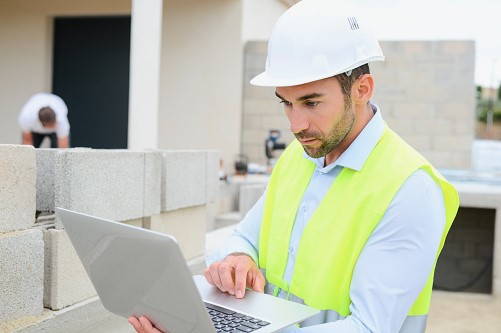
When people think about hiring an architect, they often picture drawings, 3D designs, and beautiful concepts. But one of the most critical — and often underestimated — services an architect provides is architect supervision. This stage bridges the gap between design and reality, ensuring that what gets built truly reflects the original vision, meets safety standards, and stays within budget.
Whether you’re building a home, renovating a commercial space, or developing a large project, architect supervision plays a key role in protecting your investment and avoiding costly mistakes.
What Is Architect Supervision?
Architect supervision refers to the architect’s role during the construction phase of a project. Instead of stepping away after the design is complete, the architect stays involved to oversee the building process and ensure that contractors follow the approved drawings, specifications, and quality standards.
This doesn’t mean the architect replaces the contractor or project manager. Instead, they act as a professional guardian of the design intent — making sure every detail, from structure to finishes, aligns with the agreed plan.
Why Architect Supervision Matters
1. Ensures Design Accuracy
Construction drawings can be complex, and small misinterpretations can lead to major problems. Architect supervision ensures that builders correctly understand and execute the plans. If questions arise on-site, the architect can clarify details before mistakes happen.
Without supervision, contractors may make assumptions that alter the design, affecting aesthetics, functionality, and even structural integrity.
2. Maintains Quality Standards
An architect is trained to notice details that others might overlook — alignment issues, poor finishes, incorrect materials, or deviations from specifications. Through regular site visits, architect supervision helps maintain high construction quality.
This level of oversight ensures the project doesn’t just get finished — it gets finished properly.
3. Prevents Costly Errors
Fixing construction mistakes after they’re completed is often far more expensive than preventing them in the first place. Architect supervision helps catch issues early, reducing rework and unexpected costs.
For example, discovering an incorrect beam placement during framing is far cheaper to fix than after walls, finishes, and systems have been installed.
4. Protects the Client’s Interests
Contractors are responsible for executing the work, but they also have their own timelines and cost pressures. An architect provides an independent professional perspective focused on the client’s goals.
Architect supervision ensures:
- The correct materials are used
- Design elements aren’t altered without approval
- Work meets agreed specifications
In short, the architect acts as your advocate on-site.
5. Helps Manage Changes Properly
Changes during construction are common. You might want a layout tweak, or site conditions might require design adjustments. Architect supervision ensures these changes are handled in a structured, documented way.
The architect evaluates how a change affects:
- Structure
- Budget
- Timeline
- Overall design harmony
This prevents impulsive decisions that can lead to long-term issues.
6. Improves Communication on Site
Construction projects involve multiple parties — contractors, engineers, suppliers, and clients. Miscommunication between them can cause delays and mistakes.
Architect supervision helps streamline communication. The architect can:
- Clarify technical details
- Review shop drawings
- Coordinate with consultants
- Provide quick design decisions when needed
This keeps the project moving smoothly and reduces confusion.
7. Ensures Compliance With Regulations
Building codes and regulations must be followed strictly. During architect supervision, the architect checks that construction aligns with approved plans and regulatory requirements.
If something deviates from compliance, it can be corrected early — avoiding legal complications or problems during final inspections.
What Does Architect Supervision Typically Include?
While the scope can vary depending on the contract, architect supervision often involves:
- Regular site visits to review progress
- Checking work against drawings and specifications
- Reviewing contractor submissions and material samples
- Answering technical queries from the construction team
- Identifying defects or non-compliant work
- Certifying stages of work for payment approval
It’s important to understand that the architect doesn’t control the contractor’s daily operations. Instead, they monitor quality and adherence to the design.
Architect Supervision vs. Site Management
These two roles are often confused.
| Architect Supervision | Site Management |
|---|---|
| Focuses on design intent and quality | Focuses on daily construction operations |
| Represents the client’s design interests | Represents the contractor |
| Reviews compliance with drawings | Manages labor, materials, and schedules |
Both are important, but they serve different purposes. Architect supervision ensures the project is built as designed, while site management ensures it is built efficiently.
Long-Term Value of Architect Supervision
Skipping architect supervision to save money can backfire. Poor workmanship, wrong materials, or design compromises may not be obvious immediately — but they often lead to maintenance issues, reduced property value, or expensive repairs later.
Investing in architect supervision helps deliver a building that:
- Looks as intended
- Functions efficiently
- Lasts longer
- Holds its value
It’s not just about construction — it’s about long-term performance.
FAQs About Architect Supervision
1. Is architect supervision necessary for small projects?
Yes. Even small residential projects can benefit from architect supervision. Minor construction errors can still lead to significant costs and design compromises.
2. How often does an architect visit the site during supervision?
This depends on the agreement, but visits are usually scheduled at key construction stages, with additional visits when important decisions or issues arise.
3. Does architect supervision increase project costs?
It adds a professional fee, but it often saves money overall by preventing mistakes, reducing rework, and ensuring quality construction.
4. Can a contractor handle everything without architect supervision?
Contractors manage construction, but they may not fully protect the design intent. Architect supervision ensures the final result matches the approved design.
5. What happens if the contractor ignores the architect’s instructions?
The architect reports issues to the client and recommends corrective action. Persistent non-compliance can lead to contractual consequences for the contractor.
Conclusion
A Local architect supervision is not an optional luxury — it’s a crucial part of turning a design into a successful, high-quality building. By staying involved during construction, the architect ensures accuracy, protects your investment, maintains standards, and helps avoid costly errors.