
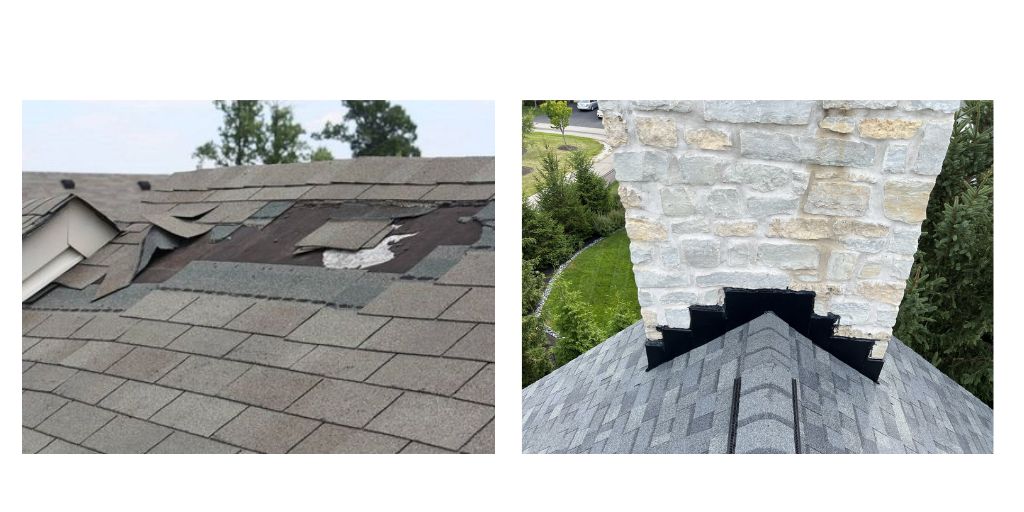
When a storm passes through and leaves your roof exposed to wind, rain, hail, or falling debris, the damage isn’t always obvious at first glance. Roofing systems are designed to take abuse, but once they’re compromised, even slightly, problems can compound quickly.
Knowing what to do immediately after weather damage, and how to tell whether you need a roof repair or a full replacement, can save you from far more expensive issues down the line.
Step One: Prioritize Safety Before Inspection
After severe weather, the instinct to check for damage is natural, but safety has to come first. Never climb onto a roof immediately after a storm. Shingles can be slick, structural elements may be weakened, and loose debris can shift underfoot. Instead, begin with a ground-level inspection. Walk the perimeter of your home and look for visible warning signs: missing shingles, piles of granules near downspouts, bent flashing, sagging rooflines, or debris lodged on the roof.
Inside the home, check ceilings and upper walls for water stains, bubbling paint, or a musty smell. Attics often tell the clearest story, darkened wood, damp insulation, or streaks of light shining through the roof deck are all indicators that water has breached the system.
Document Everything Early
If weather damage is suspected, documentation matters. Take photos or videos of anything you see from the ground or inside the house. This includes damaged shingles, dents in vents or gutters, fallen branches, interior leaks, and water stains. Even small details can be important later, particularly if insurance is involved.
Avoid temporary fixes that could obscure damage before documentation is complete. If water intrusion is active and must be stopped immediately, make note of the conditions beforehand.
Understanding Common Types of Weather Damage
Different weather events affect roofs in different ways, and recognizing the type of damage helps determine the next steps.
Wind damage often shows up as lifted, creased, or missing shingles. Even if shingles haven’t blown off completely, wind can break the seal that keeps them watertight. Once lifted, shingles rarely reseal properly.
Hail damage can be subtle but destructive. Shingles may show bruising, soft spots, or granule loss that isn’t immediately visible from the ground. Over time, these weak points deteriorate faster, shortening the roof’s lifespan.
Heavy rain and flooding typically exploit existing vulnerabilities. Poor flashing, aging underlayment, or clogged drainage systems allow water to back up and seep into the structure.
Snow and ice create unique stresses. Ice dams can force water under shingles, while freeze-thaw cycles expand small cracks into larger failures.
When a Roof Repair Is Enough
Not all storm damage requires a full replacement. Repairs are often appropriate when damage is localized, the roof is relatively young, and the underlying structure remains sound.
Repairs tend to make sense when:
- Damage is confined to a small, clearly defined area
- Shingles are missing or cracked but the surrounding field is intact
- Flashing around chimneys, vents, or skylights has loosened
- The roof is well within its expected lifespan
A proper repair restores the roof’s ability to shed water and maintain its seal. However, repairs should never be cosmetic. Simply replacing surface materials without addressing compromised underlayment or decking can mask deeper problems that resurface later.
When Replacement Becomes the Smarter Choice
A full roof replacement is a bigger decision, but in many cases, it’s the more responsible one. Weather events often expose issues that were already developing beneath the surface.
Replacement is usually the right call when:
- Damage is widespread across multiple sections
- The roof is nearing or past its expected service life
- Shingles show consistent granule loss or brittleness
- Multiple repairs have already been made over the years
- Structural components or decking are compromised
In these situations, patching isolated areas may provide short-term relief but won’t restore overall system integrity. A new roof offers uniform protection, modern materials, improved energy performance, and long-term peace of mind.
Professional Roof Evaluation Matters
While homeowner observations are valuable, a professional roof inspection from a quality roof company like Roof Masters & Exteriors provides clarity. Experienced roofers know where to look, how to spot subtle damage, and how to distinguish cosmetic issues from structural concerns. They can assess not just shingles, but flashing, underlayment, ventilation, and drainage systems as part of a complete roofing system.
If you’re located in the greater Indianapolis area and just suffered storm damage, get in touch with Roof Masters & Exteriors and they can assist you with the proper repairs or replacement.
For more information about Siding Contractors Indianapolis and Roof Company Indianapolis Please visit : Roof Masters and Exteriors.