
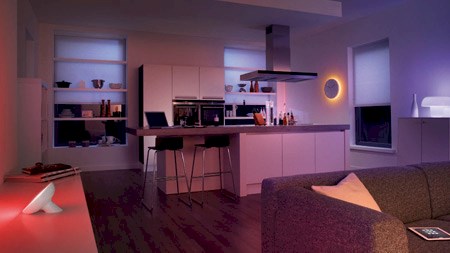
Lighting does far more than brighten a room. It influences how people feel, sleep, focus, and perform each day. Circadian lighting aligns indoor lighting with the body’s natural rhythm so people feel alert during the day and relaxed as evening approaches. With the right planning, it supports wellness, productivity, and comfort in both residential and commercial spaces.
Basics of Implementing Circadian Lighting
Before installing this system, it helps to understand how it works. Cool white lighting supports alertness and focus during the day. Warm lighting helps the body relax in the evening. Brightness also matters since strong light boosts energy while softer light feels calming. Timing is important too, so light should transition smoothly instead of shifting suddenly. Proper fixture placement ensures useful areas receive consistent lighting without glare.
Implementing Circadian Lighting in Residential Spaces
Homes perform better when lighting supports natural daily behavior. It is helpful to begin with a simple planning approach so implementation feels smooth and practical:
- Assess how much natural daylight each room receives.
- Identify spaces that require additional artificial lighting support.
- Decide where brighter daytime lighting is needed and where calming evening tones are important.
Once planning is clear, room execution feels easier and more structured:
- Bedrooms work best with warm, dimmable evening light to support healthy sleep.
- Living rooms benefit from flexible lighting that shifts from active daytime use to calming evening comfort.
- Study areas or home offices need bright, daylight-like lighting for working hours.
Together, these steps help a home feel balanced, supportive, and comfortable.
Implementing Circadian Lighting in Commercial Spaces
Commercial environments require lighting that helps people perform well while staying comfortable. Offices benefit when lighting follows real working needs:
- Bright, cooler lighting supports attention during working hours.
- Gradual evening softening helps reduce fatigue and eye strain.
- Meeting rooms need comfortable lighting that keeps people attentive without glare.
Other business environments also gain clear advantages:
- Hotels create restful environments for guests.
- Healthcare spaces support patient comfort and wellness.
- Retail settings keep customers comfortable and engaged.
With the right design approach, lighting improves productivity, well-being, and overall experience.
Technology and Control Systems
Modern technology makes circadian lighting easier to manage. Tunable white fixtures allow smooth shifts between cool and warm tones. Smart controls, automated schedules, and sensors reduce manual adjustments while supporting energy efficiency. This makes the system practical and reliable for everyday use.
Practical Installation Considerations
Strong results depend on careful planning and proper installation. A few simple steps help ensure better outcomes:
- Select high-quality, tunable fixtures.
- Plan lighting zones based on real usage patterns.
- Use trained professionals to ensure safety and accuracy.
These steps help create a dependable system that performs consistently.
Conclusion
Implementing circadian lighting requires thoughtful planning, suitable technology, and proper execution. When done correctly, it supports better sleep, steady productivity, greater comfort, and a healthier daily rhythm in both residential and commercial environments.