
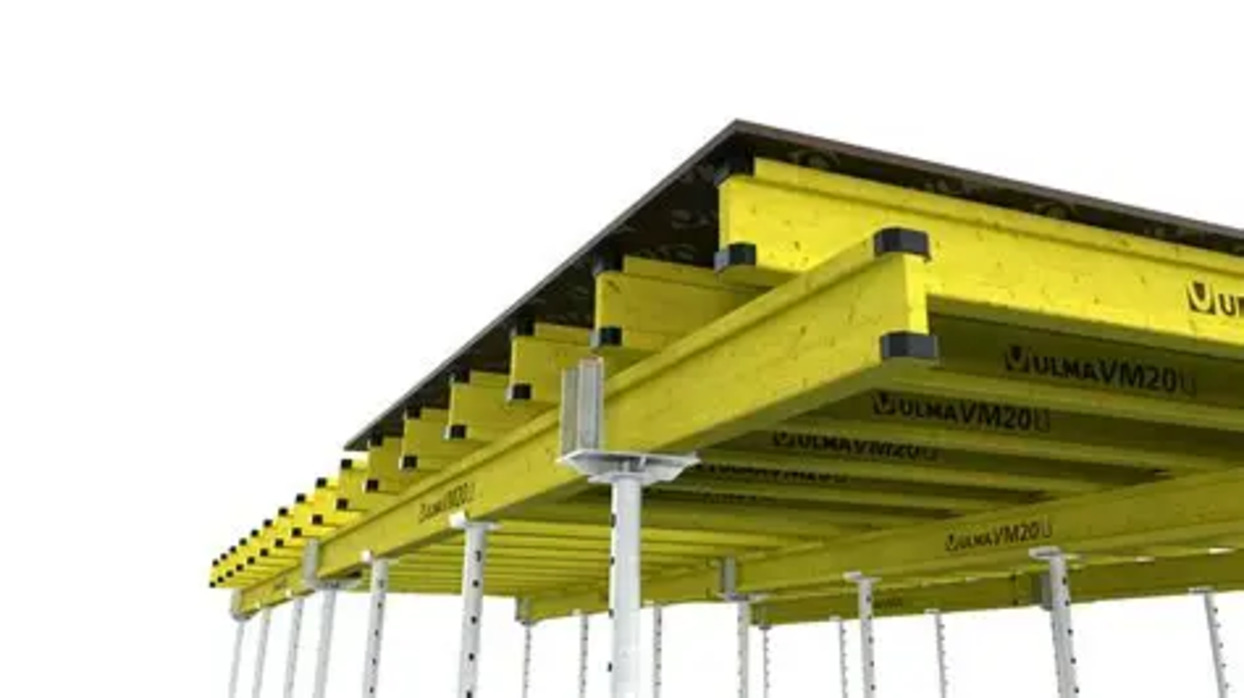
H20 Timber Beams have become a trusted choice in global construction projects that rely on safe, efficient, and repeatable formwork systems. Their strength, precision, and long service life make them a preferred tool for contractors and engineers who want reliable load bearing performance with predictable results. This guide explains what sets H20 Timber Beams apart, how they work in different formwork applications, and what to look for when selecting them for your project.
What Are H20 Timber Beams
H20 Timber Beams are structural elements engineered for modern formwork systems. They are built from high quality timber flanges and a strong web that provides stability and load capacity. Each beam follows standardized length options and quality criteria that help crews maintain consistent setup speeds and uniform assembly across different sites.
The hallmark of an H20 Timber Beam is precision. Because these beams are factory engineered, they arrive with exact dimensions and predictable stiffness. This reduces the risk of fitting problems during assembly and allows the formwork system to perform as designed.
Key Features and Technical Advantages
H20 Timber Beams are known for their strength to weight ratio. Contractors value them because they carry substantial loads without adding unnecessary weight to the formwork structure. This makes assembly, repositioning, and stripping faster and safer.
Below are the features that define modern H20 Timber Beams.
High Load Capacity
H20 beams deliver strong load bearing performance even under demanding conditions. Their glued timber components and optimized web design distribute forces evenly along the length of the beam, which helps reduce deflection. This makes them suitable for slab formwork, wall formwork, and beam formwork of various scales.
Light Weight and Easy Handling
Formwork crews often work under time pressure. A lighter beam means fewer workers can lift and position it quickly without sacrificing stability. This efficiency becomes more important on large job sites where formwork cycles repeat daily.
Long Service Life
When produced with quality timber and protected with end caps, H20 Timber Beams resist moisture, impact, and wear during repeated use. Proper storage and maintenance can extend their life significantly. Many contractors use the same inventory of beams across hundreds of cycles, which lowers long term costs.
Dimensional Stability
Accurate dimensions help avoid gaps, misalignments, or uneven load transfer. Because formwork systems rely on precise spacing and support, the beam’s straightness and uniform height are essential to achieving the final concrete finish that architects and builders expect.
Compatibility with Modular Systems
H20 Timber Beams integrate smoothly with both traditional and modern modular formwork systems. Whether the site uses steel props, tables, wall panels, or customized solutions, the beams fit standard accessories and connectors used worldwide.
Applications of H20 Timber Beams in Construction
H20 beams play a key role in concrete formwork. Their versatility allows them to support many structural elements during casting.
Slab Formwork
For slabs, H20 Timber Beams are used as primary or secondary supporting members. Their stiffness ensures that the slab thickness remains uniform. Contractors often combine them with plywood panels, drop heads, props, and table forms to speed up repetitive slab cycles.
Wall and Column Formwork
In vertical structures, H20 beams serve as walers and studs. They transfer pressure from fresh concrete to the formwork panels and connecting hardware. This application requires beams that hold their shape under heavy hydrostatic pressure. H20 beams excel in this environment thanks to their stability and well controlled deflection.
Beam and Girder Formwork
When forming deeper beams, H20 Timber Beams provide the necessary support for both soffits and sides. Their structural integrity helps maintain the correct geometry of the reinforced concrete components.
Custom Formwork Solutions
Complex architectural elements, irregular shapes, or special conditions often require custom solutions. H20 beams adapt well to these conditions because they can be cut to specific lengths, combined in various layouts, and integrated with metal brackets or custom plates.
Selecting High Quality H20 Timber Beams
Not all beams are produced to the same standard. To ensure safety, efficiency, and long term value, consider the following factors when evaluating suppliers or manufacturers.
Material Quality
Look for beams made from carefully selected timber with strong bonding between flanges and webs. High quality glue lines and controlled moisture content help prevent warping and premature wear.
Protective End Caps
Plastic end caps protect the most vulnerable part of the beam. They reduce splitting, absorb accidental impacts, and help maintain the beam’s structural integrity.
Consistent Weight and Dimensions
A reliable manufacturer provides beams with uniform height, thickness, and straightness. Inconsistent sizing leads to uneven loads and poor fit during formwork assembly.
Certifications and Testing
Formal certification indicates that the beams meet international safety and quality standards. Load testing guarantees that each beam type performs as advertised under real conditions.
- Best Practices for Using and Maintaining H20 Timber Beams
- Good practice extends the lifespan of H20 Timber Beams and ensures maximum performance on site.
- Store beams on level ground and protect them from direct rain when possible.
- Inspect beams before each cycle to identify cracks or damage.
- Avoid dropping or dragging beams to preserve end caps and edges.
- Clean off concrete residue after stripping to maintain smooth surfaces.
Final Thoughts
H20 Timber Beams remain one of the most reliable tools in formwork construction. Their combination of strength, stability, and long term value makes them essential for contractors who want consistent, safe, and efficient results. Whether used for slabs, walls, beams, or specialized structures, H20 beams continue to prove their value across the global construction industry.
Article post by: pvc board sidoarjo – gstarboard.com