
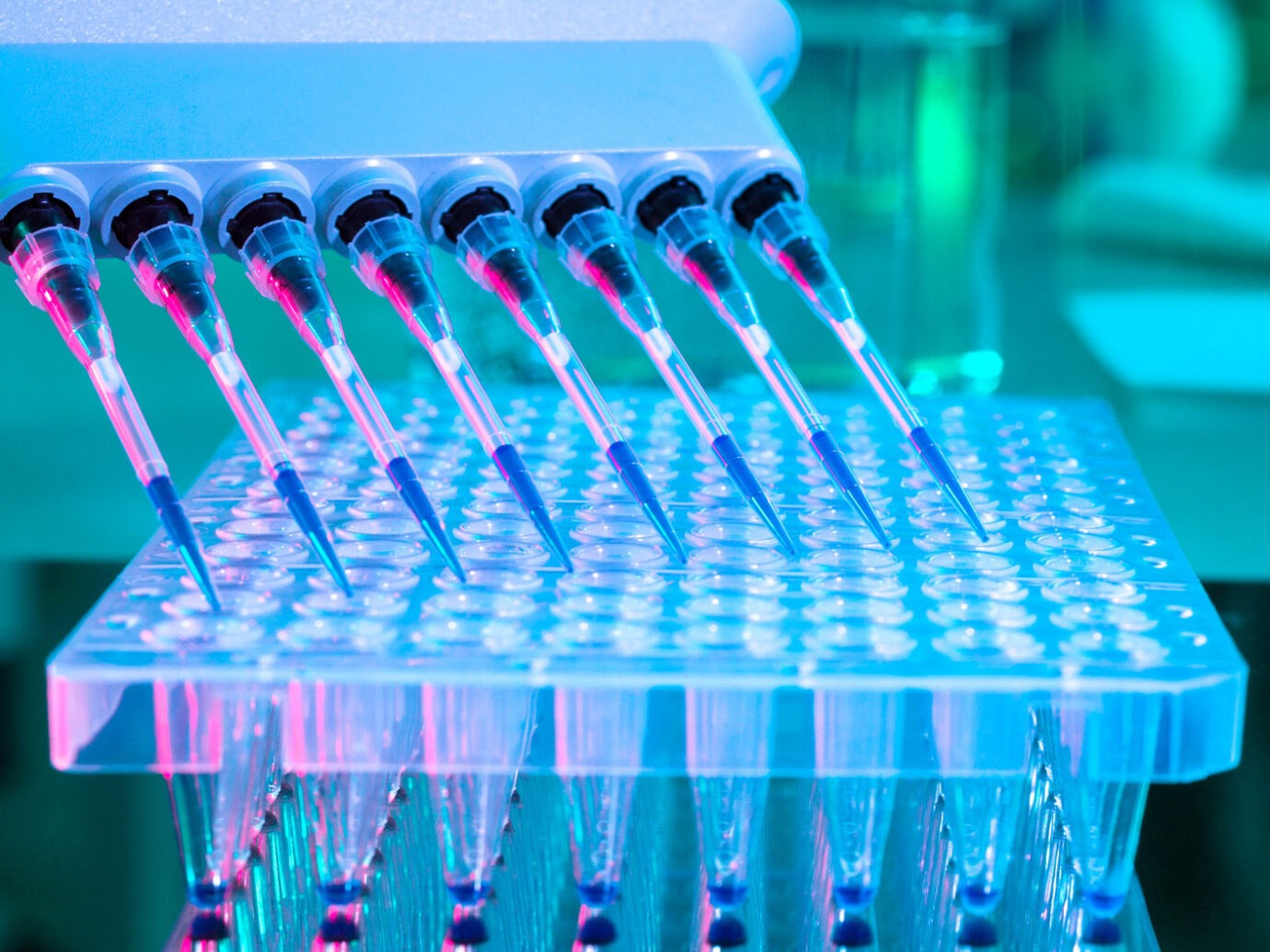
Before a new drug can be approved for patient use, it must undergo a rigorous evaluation process to determine its safety and efficacy. A central part of this evaluation is understanding pharmacokinetics (PK), which describes the absorption, distribution, metabolism, and excretion (ADME) of a drug in the body. A pharmacokinetics assay is the analytical method used to measure the concentration of a drug in biological samples, providing the data needed for this assessment. This overview examines the function of PK assays, their components, challenges, and regulatory context.
The Importance of PK Assays in Drug Development
The data generated from a pharmacokinetics assay are foundational to the entire drug development pipeline, from preclinical studies to post-market surveillance. PK analysis in clinical trials enables scientists and clinicians to make informed decisions at each stage.
- Dose Selection: PK clinical trials define the relationship between the administered dose and drug concentration over time, establishing safe and effective dosing regimens.
- Bioavailability and Bioequivalence: These assays quantify the rate and extent to which a drug reaches systemic circulation, which is critical for formulation comparisons and generic drug approvals.
- Safety and Toxicity Assessment: By correlating drug concentration with toxic effects, researchers establish a therapeutic window optimizing efficacy while minimizing toxicity.
- Drug-Drug Interactions: PK studies identify interactions altering ADME properties, influencing safety and efficacy.
- Regulatory Submissions: Regulatory bodies such as the FDA require detailed PK data in Investigational New Drug (IND) and New Drug Application (NDA) filings. Robust pharmacokinetics services, including PK ADA evaluation, performed under Good Laboratory Practice (GLP) standards, are mandatory.
Key Components of a PK Assay
A successful pharmacokinetics assay integrates several well-defined components, developed and validated in a pharmacokinetics lab to meet strict regulatory standards:
- Analyte: The drug or its metabolites measured.
- Biological Matrix: The biological fluid or tissue analyzed, e.g., plasma, serum, urine, or tissue homogenate.
- Reagents: Chemical substances such as antibodies and enzymes used to detect and quantify the analyte.
- Calibration Curve: A series of samples with known analyte concentrations used to quantify unknown samples.
- Quality Controls (QCs): Samples analyzed alongside study samples to ensure assay accuracy and precision.
- Instrumentation: Equipment such as mass spectrometers (for LC-MS/MS) or plate readers (for ligand-binding assays) used to detect assay signals, often provided by laboratories offering comprehensive clinical bioanalysis services.
Must Read: Method Validation in LC-MS Mass Spectrometry
Types of PK Assays
There are two primary assay categories used in PK analysis, each suited to different drug types: small molecules or biologics.
- Ligand-Binding Assays (LBAs): LBAs quantify large-molecule drugs, such as monoclonal antibodies, by measuring antibody or receptor binding.
- ELISA (Enzyme-Linked Immunosorbent Assay): A commonly used format in which antibodies immobilized on a plate capture the drug, which is detected via enzyme-labeled secondary antibodies, producing measurable signals.
- Electrochemiluminescence (ECL): Uses electrical stimulation to emit light from labels, providing high sensitivity and a broad dynamic range on platforms such as Meso Scale Discovery (MSD).
- Liquid Chromatography-Tandem Mass Spectrometry (LC-MS/MS): Preferred for small-molecule drugs, LC-MS/MS separates compounds by liquid chromatography and detects them via mass spectrometry, offering high specificity, sensitivity, and multiplex capability.
Challenges in PK Assay Development
Pharmacokinetics assay development presents several technical challenges:
- Matrix Effects: Biological sample components can enhance or suppress assay signals, causing inaccuracies.
- Cross-Reactivity: Antibodies in LBAs may bind structurally similar molecules, producing false positives.
- PK ADA: Immune responses against biologics can interfere with assays; this is managed through precise pharmacokinetic anti-drug antibody (PK ADA) assay design.
- Analyte Stability: Drug degradation during sample handling can lead to underestimated concentrations.
Overcoming PK Assay Challenges
Bioanalytical laboratories employ these strategies to ensure reliability in pharmacokinetics services:
- Method Validation: Rigorous validation demonstrates accuracy, precision, selectivity, sensitivity, and stability, as mandated by FDA and ICH guidelines.
- Sample Preparation: Techniques like protein precipitation, liquid-liquid extraction, or solid-phase extraction remove interfering substances before analysis.
- Use of Internal Standards: Stable-isotope-labeled drugs correct for variability in LC-MS/MS assays.
- Reagent Characterization: Critical reagents, especially antibodies, are thoroughly characterized to ensure specificity and consistent performance.
Regulatory Considerations for PK Assays
Regulatory agencies such as the FDA and EMA publish detailed guidance documents on bioanalytical method validation. Compliance with these GLP standards is mandatory for data used in drug approval submissions. Selecting a compliant pharmacokinetics lab or Clinical Bioanalysis Services provider is a key regulatory decision.
Future Trends in PK Assays
Bioanalysis continues to advance with innovations promising enhanced sensitivity, throughput, and multiplexing.
- High-Resolution Mass Spectrometry (HRMS): Offers greater specificity and metabolite identification.
- Microsampling: Techniques like dried blood spot sampling reduce patient burden and simplify logistics.
- Multiplexing: Growing capability to measure multiple analytes, PK parameters, biomarkers, and ADAs simultaneously in PK clinical trials.
The Indispensable Role of PK Assays
Pharmacokinetics assays provide critical quantitative data that underpin decisions about drug safety, dosing, and efficacy across drug development stages. As technology progresses, pharmacokinetics services and Clinical Bioanalysis Services will continue to refine these methods, enabling safer and more effective therapies.
Conclusion
Pharmacokinetics assays are indispensable in drug development, providing critical quantitative data on a drug’s absorption, distribution, metabolism, and excretion. These assays guide dose selection, safety evaluations, and regulatory submissions in accordance with GLP standards. Continued advancements in assay technology and regulatory alignment enhance the precision and efficiency of pharmacokinetic analyses, ultimately supporting the development of safer and more effective therapeutics.