
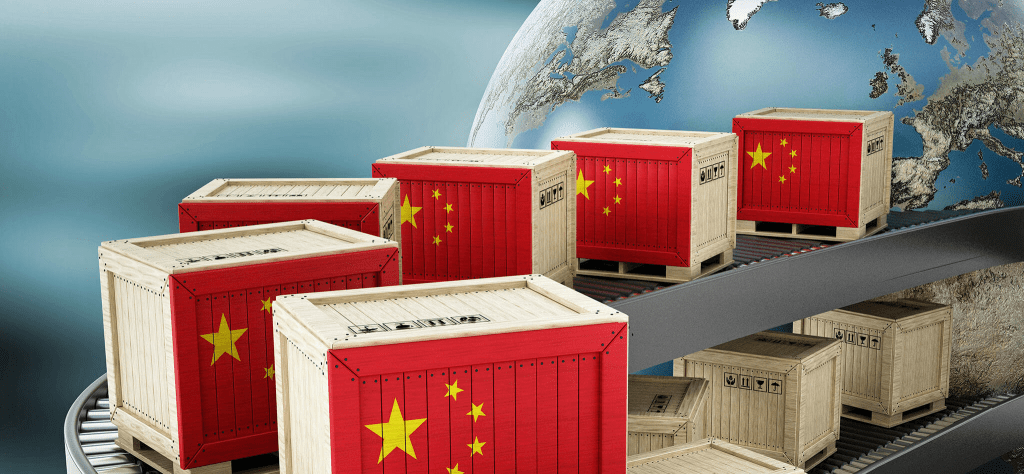
Sourcing products from overseas can shape how smoothly a service-based business operates. One major choice is whether to work directly with Chinese manufacturers or use middlemen to manage the process. Each option has clear benefits and challenges, so it helps to understand both before making a decision.
Buying Direct From China
Many businesses try to reduce expenses, and one way to do this is to buy direct from China. When you work with a manufacturer without intermediaries, you avoid extra fees and markups that trading companies and agents often add. This can help lower your cost per unit and improve profit margins.
Direct communication gives you more control. You can explain product needs, request adjustments, and follow production updates without involving multiple parties. This is helpful for service businesses that rely on consistent supplies. You also gain more transparency about how products are made.
However, sourcing directly also requires more time and responsibility. You must check suppliers, negotiate prices, understand shipping rules, handle customs paperwork, and manage quality checks. If you are new to international sourcing, this can feel overwhelming. There is also the risk of choosing a factory that may not meet expected standards, leading to delays or quality issues.
Using Middlemen
Middlemen, such as sourcing agents or trading companies, help reduce the workload. They find factories, manage talks with suppliers, monitor production, and handle shipping tasks. This support can make the sourcing process easier, especially for businesses with limited experience.
These intermediaries also help avoid language barriers and misunderstandings. Their knowledge of local manufacturing practices helps prevent mistakes that could cost time or money. Many service-focused companies prefer this route because it offers stability and reduces risk.
The drawback is cost. Middlemen charge service fees or add margins to the product price. You may also have less visibility into which manufacturer is producing your goods. This can limit your ability to maintain quality over the long term.
Cost, Control, and Convenience
Choosing between the two sourcing methods often comes down to three main factors. Understanding these areas makes it easier to decide which option fits your business needs.
- Cost: Direct sourcing usually lowers expenses, while middlemen increase costs through service fees or markups.
- Control: Working directly with factories gives you more oversight but also adds more responsibility for managing quality and communication.
- Convenience: Middlemen simplify sourcing by handling supplier talks, production checks, and logistics.
These points highlight the practical differences that can help you decide which method matches your goals and capabilities.
Final Considerations
Before choosing a sourcing method, consider your budget, the amount of time you can commit, and the level of control you want. Many businesses start with middlemen to learn the process and later decide to buy direct from China once they feel confident handling sourcing tasks on their own.
Conclusion
Both direct sourcing and using middlemen have strong advantages. The best choice depends on how much involvement you want, how much risk you can manage, and what works best for your service operations. Evaluating these factors carefully will help you make a practical and cost-effective decision.